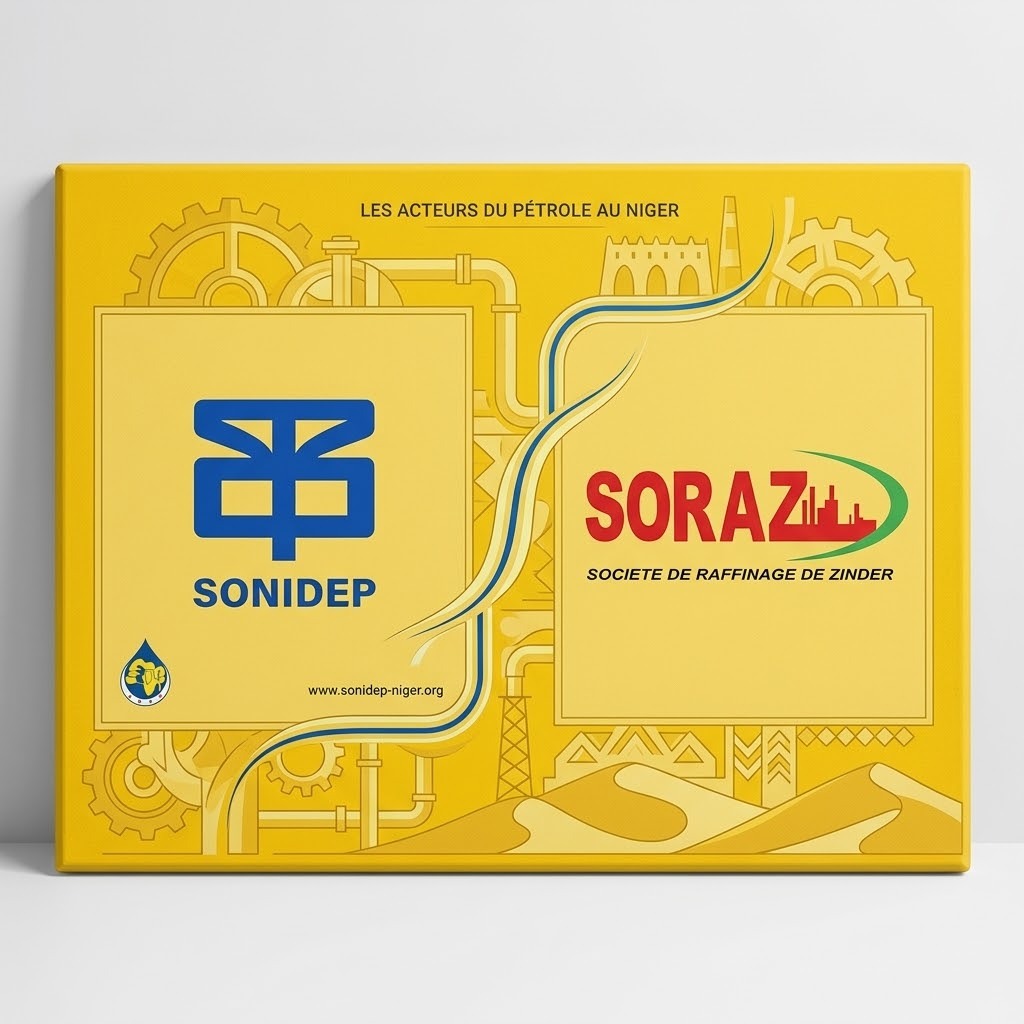
Unravelling Niger’s fuel sector crisis: how SONIDEP’s 418 billion FCFA debt to SORAZ exposed systemic flaws
The Nigerian oil sector is navigating treacherous waters as the mounting debt of the National Petroleum Products Company (SONIDEP) to the Zinder Refining Company (SORAZ) soars to a staggering 418 billion FCFA. This financial crisis, far from being a sudden shock, reveals deep-rooted structural vulnerabilities that have accumulated over time, threatening both the nation’s fuel supply chain and economic stability.
Behind the debt spiral: the unpaid bills that triggered a financial avalanche
SONIDEP’s debt to SORAZ was historically manageable, hovering between 40 and 50 billion FCFA during previous administrations. However, a perfect storm of systemic failures has catapulted the outstanding balance into uncharted territory. The roots of this crisis run deeper than mismanagement—they expose systemic gaps in revenue collection, regulatory frameworks, and inter-institutional coordination.
Where the cash flow broke down
The collapse of liquidity at SONIDEP was not accidental. Several critical factors converged to create a perfect storm:
- Institutional defaults: Major public entities and state-backed enterprises accumulated significant arrears, draining SONIDEP’s cash reserves overnight.
- Regulatory straitjacket: Price controls and frozen fuel compensation mechanisms stripped SONIDEP of vital financial flexibility, leaving it unable to cushion the impact of unpaid invoices.
- Demand surge mismanagement: As domestic fuel demand surged—outpacing supply adjustments—SONIDEP increased crude oil off-take from Zinder. Yet, the expected cash inflows failed to materialise due to delayed settlements, widening the debt gap.
SORAZ under siege: when unpaid bills threaten national refining capacity
The Zinder refinery, a cornerstone of Niger’s energy strategy and a joint venture between the government and China National Petroleum Corporation (CNPC), now faces severe operational constraints. Without timely payments, SORAZ struggles to:
- Cover day-to-day operating costs, including salaries and utility bills.
- Honour payment obligations to contractors and service providers.
- Fund critical maintenance and upgrade projects essential for long-term viability.
On the ground, these financial pressures have already manifested in real-world disruptions: reduced off-take volumes, protracted negotiations over supply quotas, and intermittent fuel shortages at service stations, sparking public frustration and distrust in the system.
What’s driving the crisis: a tale of broken systems and unmet promises
This isn’t merely a financial dispute—it’s a symptom of broader systemic dysfunctions that have festered for years. At its core, the crisis reflects a failure to align fiscal policy with operational realities in a sector critical to national development.
Price controls that backfired
The government’s long-standing policy of capping pump prices, intended to protect consumers, has inadvertently squeezed SONIDEP’s margins. Without corresponding adjustments to compensation mechanisms, the national oil company was left holding the bag—liable for the difference between import costs and controlled retail prices, while unable to secure timely payments for crude supplies.
The demand paradox: growth without revenue
Niger’s fuel demand has grown steadily, driven by urbanisation, increased transport activity, and industrial expansion. Yet, this growth hasn’t translated into proportional revenue inflows for SONIDEP. Instead, it exposed a critical flaw: the absence of a transparent, enforceable payment system linking fuel sales, revenue collection, and supplier remuneration.
A call for systemic reform: rebuilding trust in Niger’s fuel sector
With the sector teetering on the brink, urgent and coordinated action is required to restore stability and prevent long-term damage to Niger’s energy security and economic resilience.
From debt restructuring to operational recovery
Efforts are now underway to engineer a multi-pronged financial turnaround:
- Structured repayment calendars: SONIDEP and SORAZ are negotiating phased repayment schedules tied directly to daily fuel sales, ensuring that cash flows are earmarked for debt settlement before other expenses.
- Tripartite fiscal agreements: The government is exploring compensation frameworks that utilise public treasury receivables to offset part of the debt, creating a bridge until operational cash flows stabilise.
- Revenue transparency overhaul: A complete redesign of the retail sales collection system is in progress to prioritise direct payments to SORAZ, bypassing convoluted intermediaries and reducing payment delays.
Lessons for the future: securing energy sovereignty through institutional discipline
This crisis is a wake-up call. To prevent recurrence, Niger must:
- Implement real-time monitoring of fuel sales, payments, and supply chains to detect imbalances early.
- Reform pricing mechanisms to reflect actual costs without compromising affordability for citizens.
- Strengthen inter-agency collaboration between SONIDEP, SORAZ, and the Ministry of Finance to align financial planning with operational needs.
- Invest in public-private dialogue to ensure policy decisions are grounded in market realities.
The path to recovery is steep, but not insurmountable. For Niger’s fuel sector to emerge stronger, it will require more than debt restructuring—it demands a fundamental rethink of how the country manages its most critical energy resource.
What’s next for Niger’s fuel sector?
While short-term measures are essential to avert further disruption, the long-term stability of Niger’s energy ecosystem hinges on deeper institutional reforms. Without disciplined financial management, transparent governance, and adaptive regulatory frameworks, the sector risks becoming a recurring liability—rather than a driver of national prosperity.
As SONIDEP and SORAZ navigate this crisis, all eyes are on the government’s ability to balance fiscal responsibility with energy security, ensuring that the fuel that powers Niger’s economy flows without interruption—and without crippling debt.
