Unpacking Cotonou: how francophone civil society is reshaping peace strategies ahead of Phnom Penh
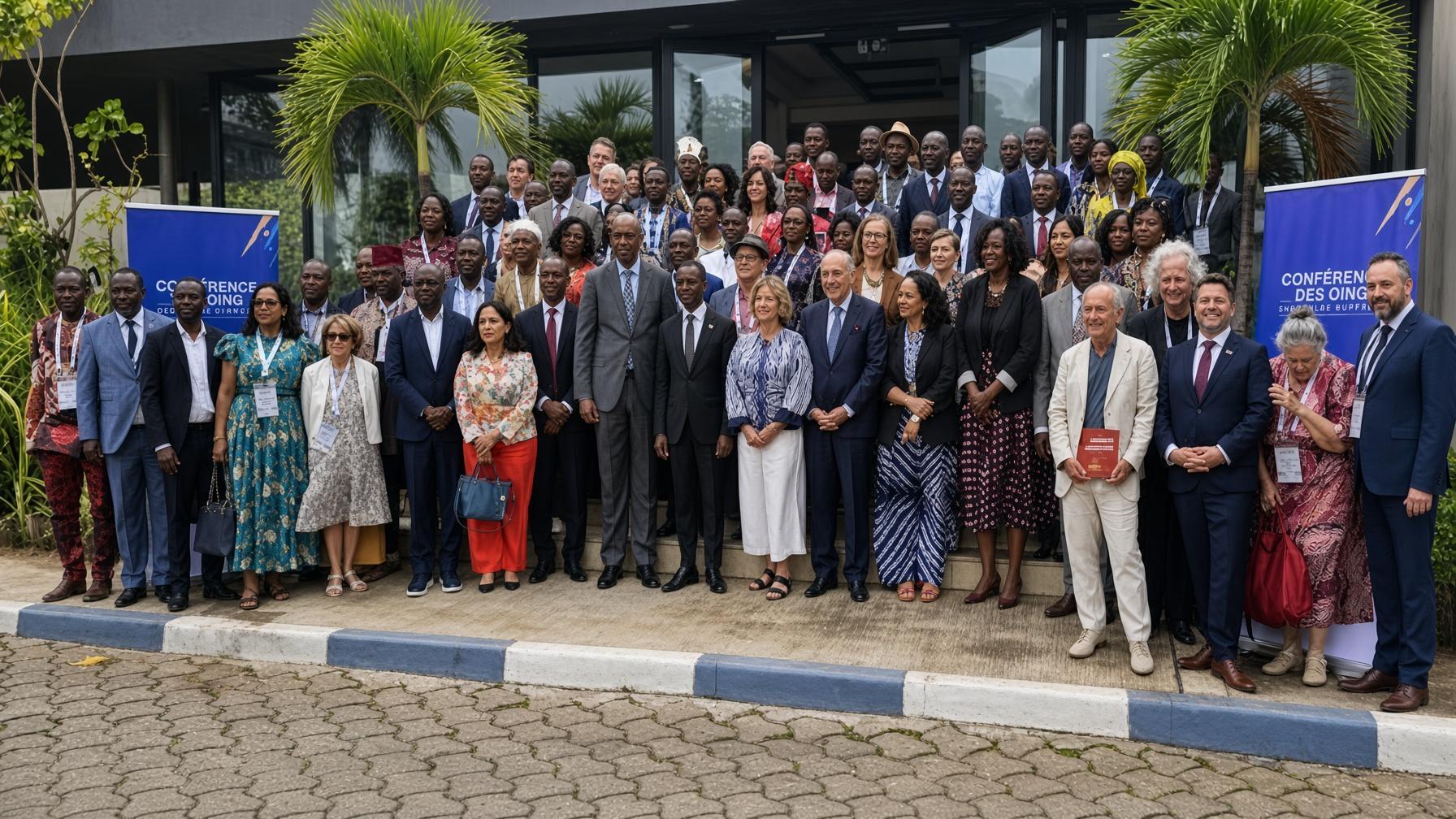
The 16th plenary assembly of the Conference of International Non-Governmental Organizations (CONGO) of the Francophonie opened in Cotonou on September 28, 2026. Over two days, delegates from across the Francophone world gathered not just to draft statements, but to dissect the hidden mechanisms that turn peace pledges into tangible action—or leave them as empty rhetoric.
This isn’t a routine meeting. With the 20th Francophonie Summit slated for November 15–16 in Phnom Penh, the stakes couldn’t be higher: what will actually change for millions of citizens before the closing gavel falls?
Drilling down into the roots of lasting peace
Under the banner “Reinvesting in Peace: Mobilising Francophone Civil Society for Shared Prosperity, Resilient Territories, and Lasting Stability,” participants moved beyond slogans to expose the structural gaps that undermine security in Francophone nations.
The discussion revealed a sobering reality: peace in the Francophonie is often measured in ceasefires and communiqués, yet the day-to-day survival of families hinges on entirely different factors—equitable access to healthcare, inclusive education, and economic opportunities that don’t vanish when the next political crisis erupts.
Peace as a living ecosystem
Civil society representatives argued that treating peace as a checklist item—tick off dialogue, tick off reconciliation—ignores the soil in which resilience must grow. One delegate from West Africa put it bluntly: “We cannot export stability from boardrooms in Paris or Montreal. It has to be co-designed in villages where the rubber meets the road.”
This shift reframes peacebuilding as an ecosystem: grassroots organisations detect early tremors of unrest long before diplomats notice; women-led cooperatives rebuild markets after conflicts; youth networks translate policy jargon into street-level solutions that citizens actually trust.
From the ground up: rewriting the rulebook for Francophonie summits
The assembly didn’t just diagnose problems—it began drafting the operating manual for how future summits should function. The prevailing view? Top-down declarations won’t stick unless citizen voices are embedded in every phase, from agenda-setting to evaluation.
- From observations to policy levers: Delegates insisted that grassroots data—collected by teachers, nurses, and local councillors—must feed directly into OIF policy papers. No more ivory-tower reports gathering dust on shelves.
- Parliamentary bridges: MPs from across the Francophonie were urged to co-sponsor bills that mirror civil society’s priorities, turning resolutions into enforceable laws in national capitals.
- Financial footprints: Funding streams are being re-routed so that small NGOs in fragile regions receive direct support, not just channeled through distant headquarters.
The Cotonou compact: three pillars for the next cycle
The assembly crystallised its strategy into three operational pillars for 2026–2028:
- Network consolidation: A digital platform will link Francophone NGOs in real time, enabling rapid response to emerging crises before they escalate into full-blown conflicts.
- Resource mobilisation without strings: New partnerships with ethical investors aim to fund community-level initiatives without the usual bureaucratic hurdles that stifle innovation.
- Impact audits: Every funded project will undergo quarterly citizen reviews, posted publicly, to ensure accountability that traditional donors avoid.
Bénin’s quiet role in steering the conversation
The choice of Cotonou as host city wasn’t accidental. Bénin has quietly positioned itself as a neutral convenor, leveraging its democratic credentials and linguistic bridge status between West Africa and the wider Francophonie.
Government representatives listened more than they spoke, signalling a deliberate shift: “We are here to learn from civil society, not lecture it,” remarked one senior official. That posture contrasts sharply with past summits where state actors dominated the narrative.
The pre-summit domino effect
While the media spotlight will focus on Phnom Penh in November, the Cotonou assembly is already triggering a cascade of national-level actions:
- Parliaments in Senegal, Côte d’Ivoire, and Niger have scheduled hearings to review civil society’s roadmap.
- Universities in Burkina Faso are designing new curricula on conflict-sensitive development, directly aligned with CONGO’s priorities.
- Business associations in Togo are piloting ethical trade zones that reward suppliers who uphold labour and environmental standards linked to stability.
What’s really at stake before the gavel falls in Cambodia
The Cotonou gathering exposed an uncomfortable truth: the Francophonie’s peace architecture is fraying at the edges. Diplomatic communiqués are plentiful, but implementation remains a patchwork.
Delegates agreed on one non-negotiable: the Phnom Penh summit must deliver binding commitments—not pious aspirations. Civil society’s 2026–2028 roadmap is designed to hold leaders accountable the moment the final communiqué is signed.
Whether those leaders listen—or whether the roadmap stays on the shelf—will determine whether the “Francophonie difference” is merely rhetorical, or a living force for change.
