Unending legal battle against Cameroon post-election detainees
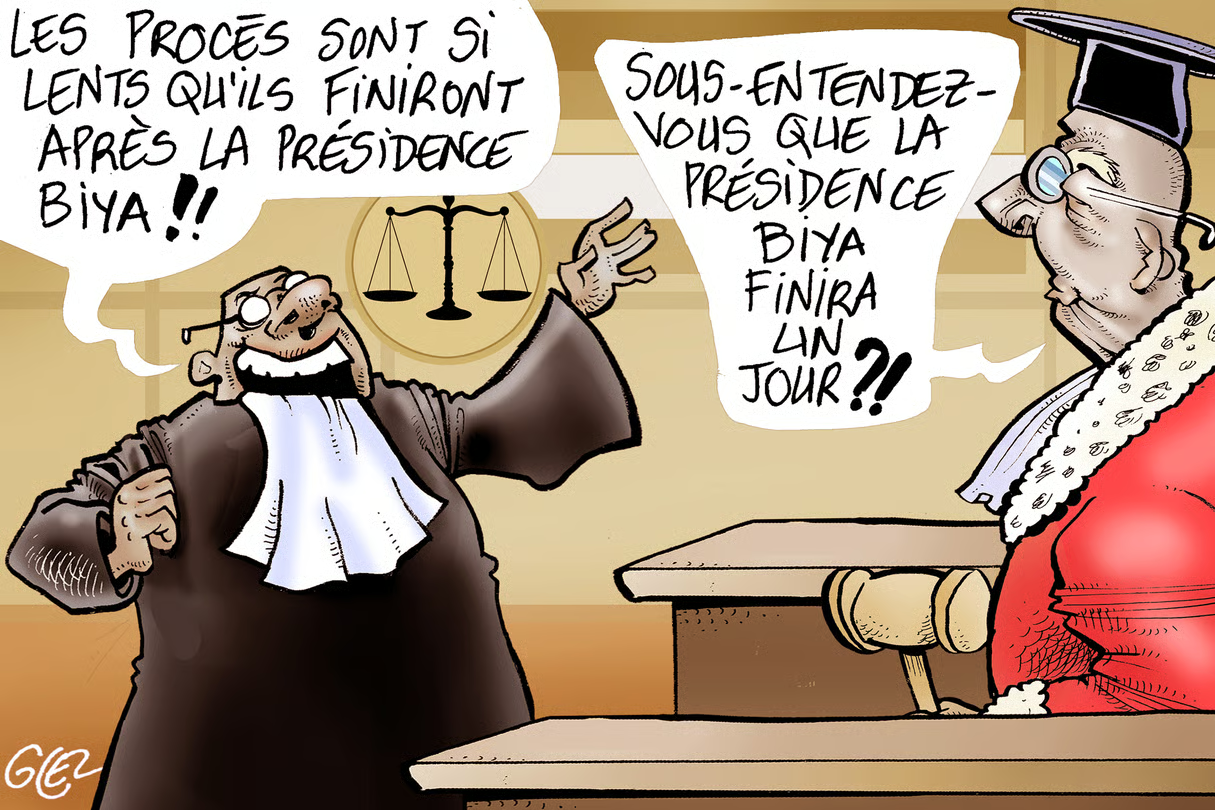
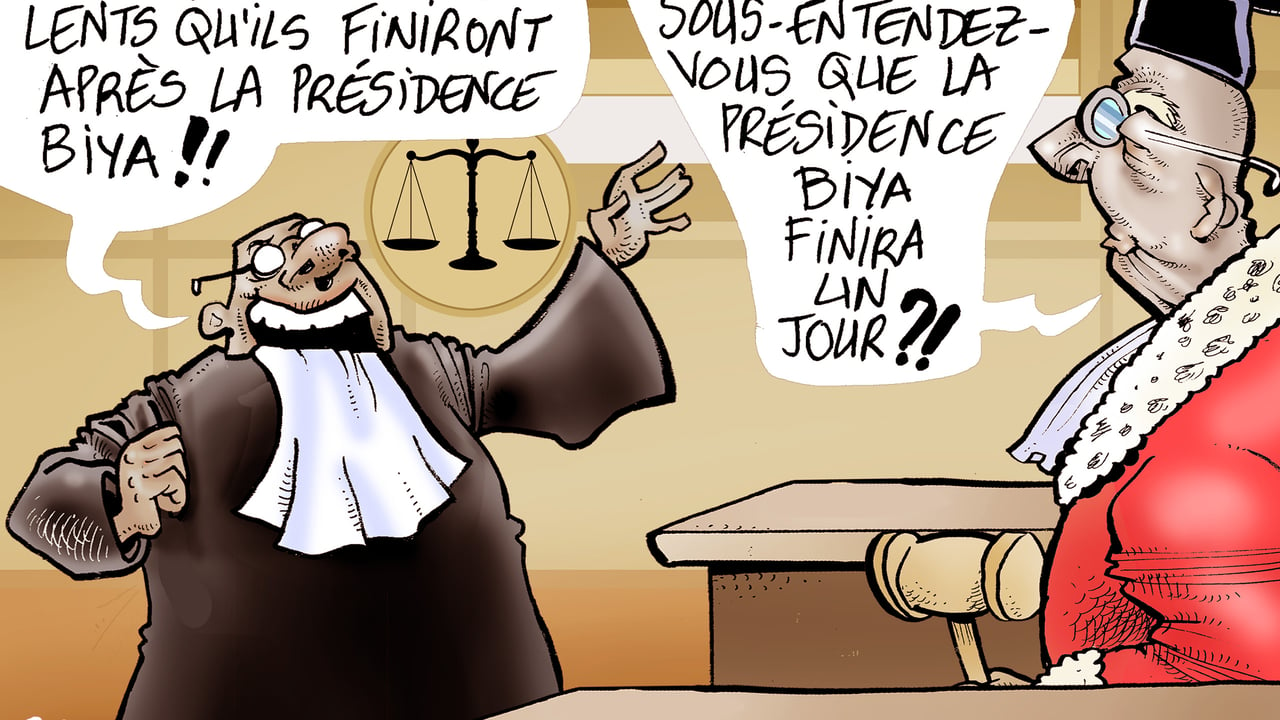
The legal saga surrounding post-election detainees in Cameroon has dragged on for months, with proceedings mired in procedural delays and mounting public scrutiny.
The slow grind of justice
Courtrooms in Yaoundé have become stages for a marathon of adjournments, where the fate of dozens remains suspended. Defense teams argue that justice delayed is justice denied, while prosecutors insist on the need for thorough investigations. The backlog of cases has left families in limbo, their loved ones trapped in a cycle of uncertainty.
Legal experts point to systemic bottlenecks, including understaffed judiciary systems and logistical hurdles, as key contributors to the prolonged process. Some detainees have spent over a year behind bars without resolution, their cases shuffled between courts with little progress.
Public reaction and political fallout
Public frustration is palpable, with protests erupting sporadically in major cities. Opposition figures have seized on the delays to question the government’s commitment to rule of law, framing the situation as a stain on Cameroon’s democratic credentials. Meanwhile, civil society groups are demanding transparency, calling for speedy trials or the release of detainees awaiting charges.
Political analysts warn that prolonged detentions without clear outcomes risk stoking social tensions further, potentially undermining stability in a region already grappling with instability. The prolonged legal limbo has become a lightning rod for criticism, with many accusing authorities of using the judiciary as a tool for political repression.
Voices from the ground
- Family members of detainees: Plead for swift resolutions, citing emotional and financial strain. Many struggle to afford legal representation while supporting incarcerated relatives.
- Human rights advocates: Condemn the delays as a violation of due process, urging international observers to intervene.
- Government officials: Assert that the judiciary operates independently, though critics remain unconvinced.
What’s next for the detainees?
The path forward remains unclear. Some legal analysts speculate that plea bargains or reduced charges could offer a way out, while others fear the system may collapse under its own weight. For the detainees and their families, time is running out—each adjournment deepens the crisis.
