
Ceremony turns to disaster as military drones strike funeral gathering
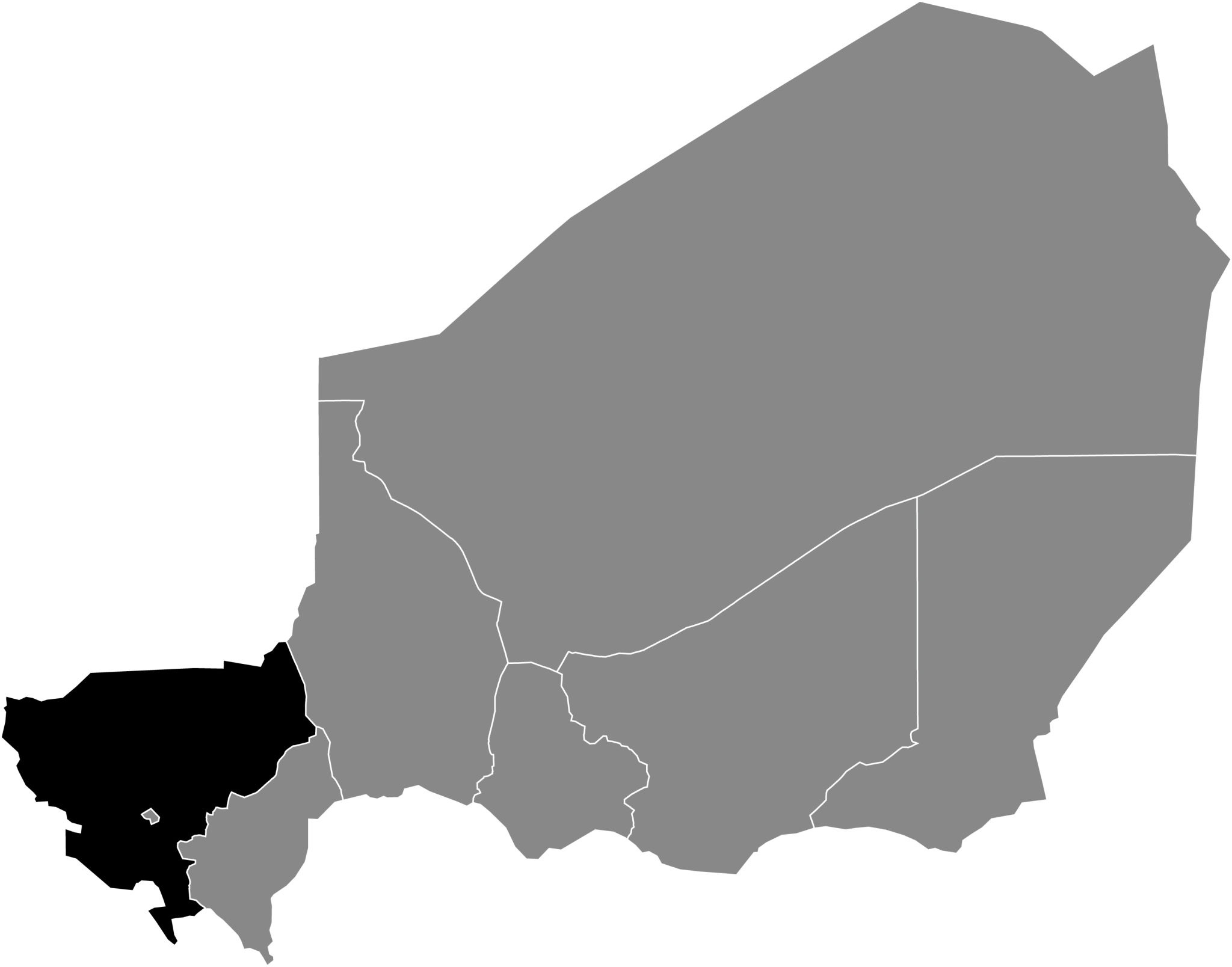
What began as a moment of communal mourning in the village of Chinagodrar, located in the northern reaches of Tillabéri, ended in tragedy on July 24. A funeral procession meant to honor a departed resident became the target of two drone strikes, reportedly launched by Nigerien armed forces. Local accounts confirm at least seven fatalities and multiple injuries among villagers gathered for the ceremony.
The attack plunged the already embattled community into further despair. Survivors describe frantic scenes of chaos, with families scattered and rescuers themselves caught in the crossfire while rushing to aid the wounded.
The ‘three-border’ region: a hotspot of violence and military response
Tillabéri, a region bordering both Mali and Burkina Faso, has long been a flashpoint in Niger‘s fight against insurgency. Known as the volatile ‘three-border’ area, it has seen relentless clashes between security forces and armed groups, forcing civilians to endure a climate of perpetual fear.
In response, the Nigerien government has escalated aerial operations, deploying surveillance and combat drones to neutralize threats swiftly. While effective against militants, such strikes in densely populated villages raise serious concerns about intelligence accuracy and target verification, especially when civilians gather for markets, prayers, or funerals.
Double strike deepens loss and confusion
Witnesses recount how a first explosion tore through the gathering, sending mourners into panic. As villagers scrambled to evacuate the wounded, a second strike landed just moments later, compounding the devastation. Several more casualties were reported, and nearby homes sustained damage. Survivors speak of a nightmarish tableau—screams filling the air, families fleeing in all directions, and emergency responders struggling to coordinate in an already isolated setting.
The human toll is severe: at least seven confirmed dead, with local sources warning the number may rise as critically injured victims fight for survival. Among the victims were individuals who had only come to pay their respects, deepening the community’s sense of shock and betrayal.
A traumatized community and lingering questions
The tragedy has left families shattered and the entire region traumatized. In a land already scarred by jihadist attacks, this incident has amplified fears of being caught between extremist violence and the military’s efforts to curb it.
The operation has reignited scrutiny over drone warfare tactics in counterinsurgency. Legal experts emphasize that international humanitarian law demands rigorous distinction between combatants and civilians, along with exhaustive precautions before any strike—especially in areas where gatherings are common.
To date, no official statement has clarified the operation’s objectives, the identity of the intended target, or the circumstances leading to the strikes. The lack of transparency has left residents demanding answers and accountability, fueling further distrust toward the authorities.
Erosion of trust and long-term consequences
Beyond the immediate loss of life, the incident risks undermining the fragile trust between local populations and security forces. In regions plagued by chronic insecurity, community cooperation is vital for intelligence-sharing and effective counterinsurgency. Every civilian casualty risks widening the rift, complicating future operations, and reinforcing perceptions of abandonment among rural communities already bearing the brunt of years of conflict.