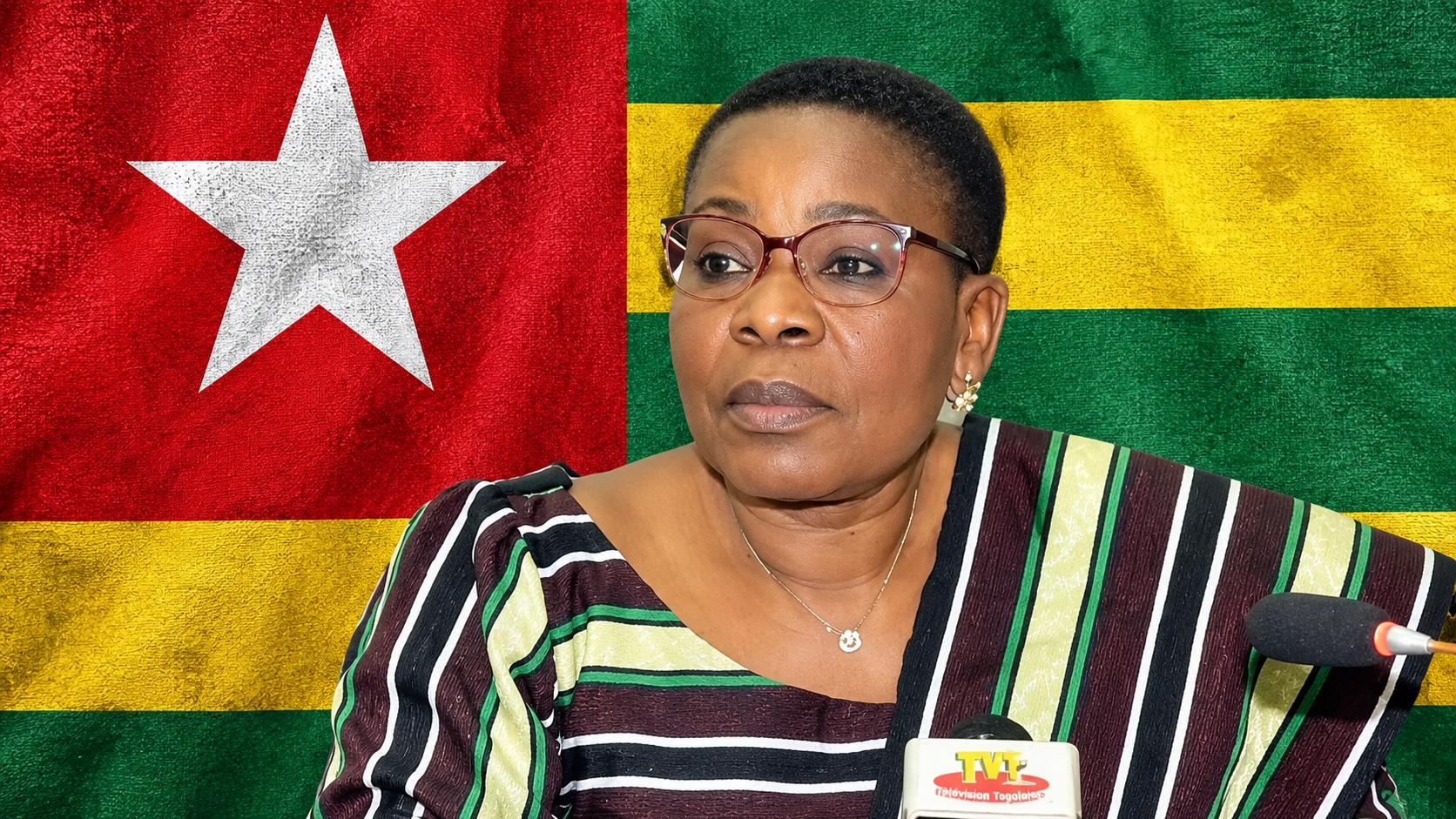
Togo’s silent playbook: how one year in detention reveals the mechanics of political suppression
The anatomy of a strategic silence: what Marguerite Gnakadé’s year in detention exposes
One year. That’s how long Marguerite Essossimna Gnakadé, Togo’s former defense minister, has been held in detention. Arrested on September 17, 2025, her case has become a stark reminder of a long-standing political pattern in Lomé: crossing the government’s red line often triggers a calculated response, one that blends institutional pressure with systemic containment.
To outside observers and domestic critics alike, the former army leader’s situation highlights a well-rehearsed approach to dissent. When a high-profile figure—whether military or civilian—steps out of line, the executive doesn’t meet dissent with rhetoric or public confrontation. Instead, it deploys state mechanisms where justice, security protocols, and institutional inertia work in tandem to enforce compliance.
Three pathways to silencing dissent under Faure Gnassingbé
The regime’s playbook for managing opposition is anything but improvised. It follows a deliberate, three-tiered strategy, each designed to neutralize challenges to power in its own way:
The courtroom as a tool of containment
Marguerite Gnakadé’s case exemplifies this route. Her public call for reforms and the president’s resignation quickly led to charges of undermining state security. Rather than silencing her through dramatic public measures, the government opted for a slower, more insidious process: indefinite detention. This approach drains momentum from the cause, erodes public support, and shifts attention away from the original grievance.
The calculated retreat into exile
A second tactic involves pushing dissenters beyond national borders. Over the past two decades, numerous opposition leaders and former officials have chosen—or been forced—to relocate abroad. While exile may spare them imprisonment, it simultaneously removes their influence from the domestic political arena, effectively rendering them irrelevant to the national conversation.
The selective embrace: when critics become part of the system
The third option is more subtle. For voices that don’t pose an existential threat, the regime often responds with controlled dialogue, piecemeal institutional adjustments, or even invitations to participate in transition bodies. This co-optation neutralizes potential opposition by integrating critics into the system—while ensuring their dissent remains confined within acceptable limits.
The strategic advantage of time in suppressing dissent
What sets Faure Gnassingbé’s approach apart is its patience. Rather than responding to opposition with high-profile crackdowns or public trials, the government lets time work against the cause. After the initial shock of an arrest fades, legal proceedings drag on, often disappearing from public view. The longer a case lingers in procedural limbo, the more the cultural and political momentum behind the detained individual erodes.
This slow burn strategy dovetails with Togo’s evolving constitutional framework, which includes elements of a Fifth Republic model. Yet despite the formal shift toward institutional modernization, figures like Gnakadé serve as a reminder that stability in Lomé still depends on tight control over dissent. While this ensures continuity in governance, it continues to draw criticism from human rights defenders who warn of a shrinking civic space and a political environment increasingly hostile to free expression.
The human and political cost of enforced compliance
The implications of this method extend beyond individual cases. Each detention, exile, or co-optation sends a signal: crossing certain boundaries comes at a cost. For the families of detained figures, the emotional and financial strain is immense. For the opposition, it fosters a climate of caution, where even moderate criticism risks severe consequences. And for the international community observing the region, it raises questions about the sustainability of Togo’s development model—one that prioritizes stability over pluralism.
As the country navigates its path between tradition and transformation, the silence surrounding Gnakadé’s detention lingers. Not just as a legal matter, but as a political statement: in Togo, dissent may not always be crushed with force—but it is almost always neutralized through design.
