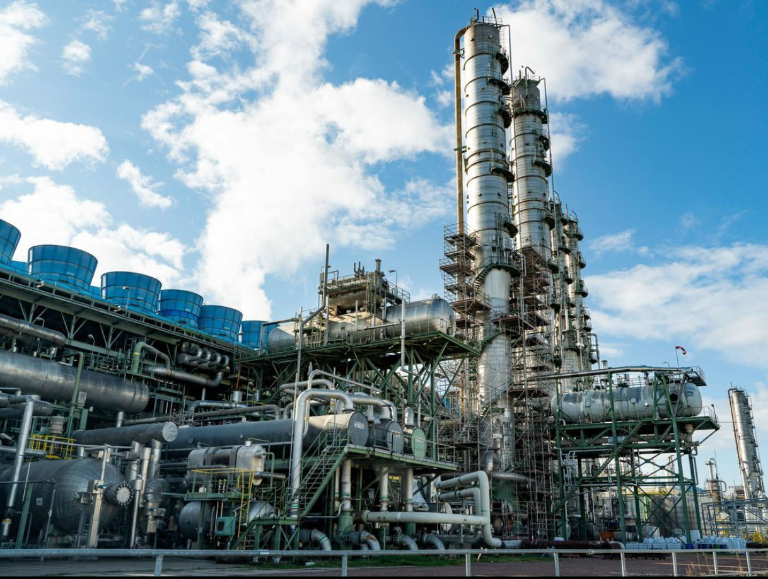
Togo’s phosphate push: driving West Africa’s fertilizer self-sufficiency by 2030
The West African Economic and Monetary Union (UEMOA) is doubling down on phosphate industrialization in Togo, with a 1.45 trillion FCFA investment plan set to unlock regional fertilizer production by 2030. As the anchor project in the bloc’s phosphate-to-fertilizer strategy, Togo’s phosphate reserves are positioned to replace imports and fuel agricultural growth across West Africa.
Why Togo leads UEMOA’s fertilizer revolution
The UEMOA’s 2026-2030 industrial program targets phosphate-rich Togo as the primary production hub for a new West African fertilizer supply chain. The initiative aims to shift the region from importing 60% of its fertilizers to producing them locally, leveraging Togo’s decades-long phosphate extraction expertise to build advanced processing plants.
By focusing on phosphate transformation rather than raw material exports, the project seeks to retain value within the region while reducing exposure to volatile global fertilizer markets. The government’s role is limited to facilitating infrastructure, while private sector investment and UEMOA coordination will drive the actual industrialization.
Breaking ground: financing and industrial transformation
- Total investment: 1.45 trillion FCFA (€2.2 billion), with 82% from private investors and 16% from UEMOA member states
- Core infrastructure: Phosphate processing plants, fertilizer blending units, and logistics corridors connecting to major agricultural zones
- Timeline: Phase one (2026-2028) focuses on pilot plants, with full-scale production targeted by 2030
The financial model shifts risks away from public budgets, placing responsibility on investors to secure land, energy, and supply chains. For Togo, this means competitive tax incentives and streamlined permitting to attract multinational fertilizer producers alongside local manufacturers.
From raw material to regional powerhouse
Togo’s phosphate reserves have long been a key export, but their true potential lies in downstream industries. The UEMOA strategy envisions three transformation pathways:
- Basic processing: Refining phosphate rock into phosphoric acid and diammonium phosphate (DAP)
- Blending hubs: Local mixing facilities tailored to West African soil conditions
- Agri-input innovation: Custom fertilizer formulations for staple crops like maize, cassava, and rice
This vertical integration could add 30-40% to the value of raw phosphate exports while creating thousands of industrial and agricultural jobs across the country.
The gamble on sovereignty: can West Africa feed itself?
UEMOA currently imports over half its annual 2.1 million metric tons of fertilizer, spending $1.3 billion annually. The phosphate project targets a 40% reduction in import dependency by 2030 through:
- Price stability: Local production buffers against global price spikes
- Supply security: Year-round access for farmers during planting seasons
- Customization: Fertilizers optimized for West African climates and soil health
Success hinges on coordination between Togo’s mining sector, UEMOA’s industrial planners, and private investors to bridge the gap between mineral wealth and farm-ready products.
What’s next for Togo’s phosphate corridor?
The coming year will determine whether Togo’s phosphate can anchor a regional revolution. Key milestones include:
- Finalizing investment agreements with fertilizer multinationals
- Launching feasibility studies for processing plant locations
- Establishing public-private partnerships for energy and transport infrastructure
- Training local technicians to operate advanced phosphate processing equipment
While the vision is bold, execution risks remain—particularly in securing consistent energy supplies and navigating regulatory hurdles. Yet the potential rewards are transformative: a West African fertilizer industry that strengthens food security, stabilizes farmer incomes, and reduces trade deficits across the bloc.
