Tinubu’s strategic pause: how a European stay reshaped Nigeria’s political landscape ahead of independence
Why Bola Tinubu extended his European absence amid Nigeria’s most symbolic week
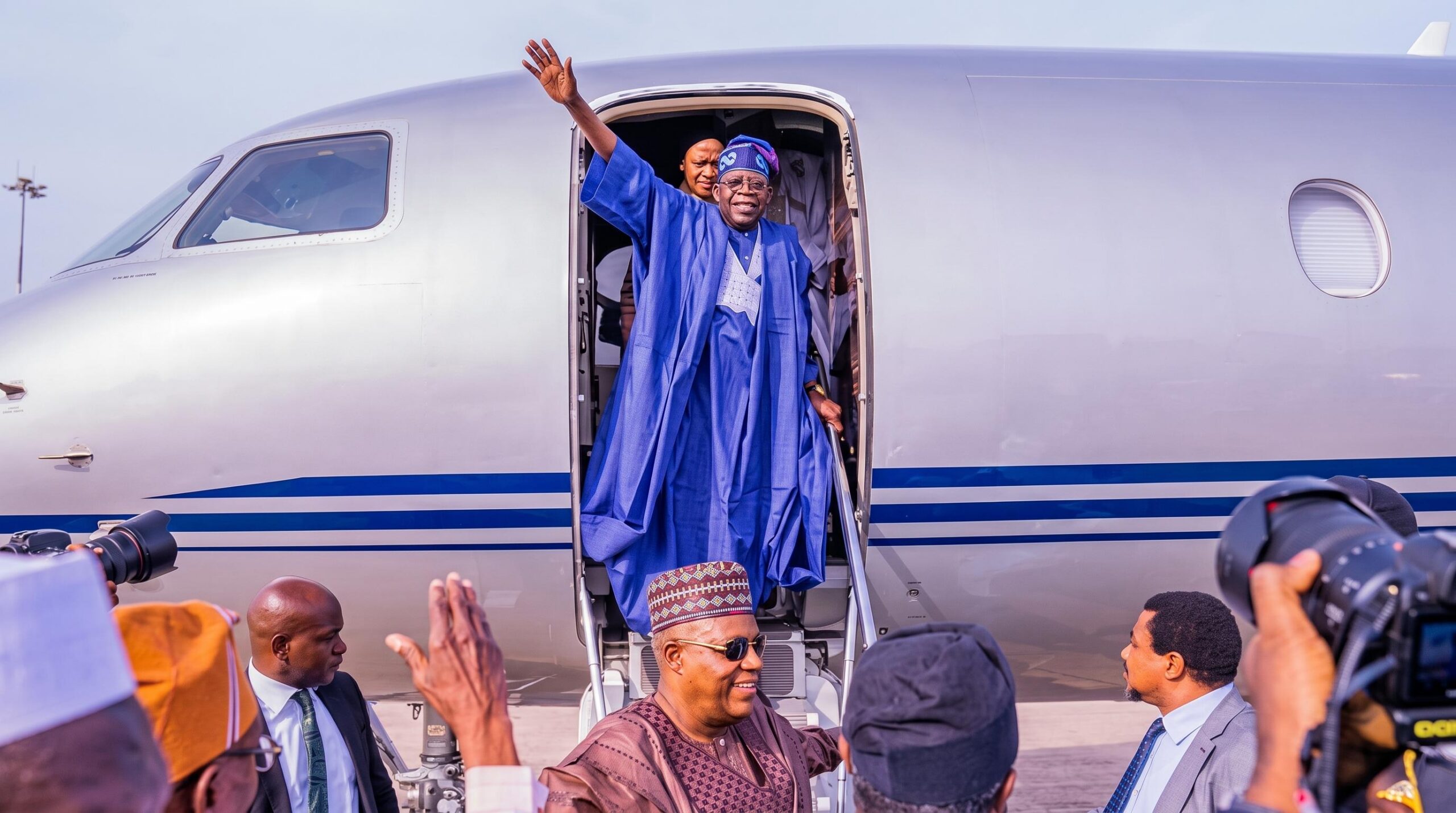
Lagos, Nigeria — President Bola Ahmed Tinubu touched down in Lagos on Tuesday evening, September 29, 2026, just 48 hours before Nigeria marks its 66th independence anniversary. His return followed a four-week working trip to Europe — a stay initially billed as a three-week vacation but quietly extended twice. The presidential jet landed from Paris at 6:22 p.m., local media reported, setting the stage for a high-profile homecoming in Nigeria’s commercial capital rather than the federal capital, Abuja.
This strategic choice wasn’t incidental. It reflected a deliberate repositioning: Tinubu’s arrival in Lagos was framed as a tribute to Nigeria’s democratic memory, particularly to the legacy of Moshood Kashimawo Olawale Abiola — the presumed winner of the annulled June 1993 presidential election whose story remains a touchstone in the nation’s political consciousness. On October 1, Tinubu is scheduled to attend the premiere of a biographical film about Abiola at the Wole Soyinka National Theatre in Iganmu, Lagos. The event aligns with the broader theme of the 2026 independence celebrations: “From Reforms to Stability: Consolidating Nigeria’s Renewed Hope for Shared Prosperity.”
The calculus behind four weeks abroad: work, perception, and legacy building
The prolonged European stay ignited public speculation. When the presidency announced the extension on September 21, it cited ongoing coordination with Abuja and continued oversight of state affairs from abroad. Yet the absence coincided with a critical moment: Nigeria’s diplomatic presence at the United Nations General Assembly in New York, where Vice President Kashim Shettima represented the country in person.
Upon landing, Tinubu addressed health rumors head-on, telling local journalists he was “healthy, sound, and ready to go.” The presidency later described the trip as a “working vacation” — a blend of official engagements and private reflection. But behind the scenes, the journey carried deeper implications: a series of high-level meetings in London and Paris, each designed to reinforce Nigeria’s economic diplomacy and unlock new investment flows.
From Paris to Lagos: the deals and the narratives
In London, Tinubu held private discussions with British officials before traveling to Paris. There, he met with French President Emmanuel Macron and engaged with business leaders, including Vincent Bolloré and Femi Otedola. These closed-door sessions were framed as part of Nigeria’s push to attract foreign direct investment and strengthen trade partnerships.
The most visible outcome: the signing of a memorandum of understanding between Ogun State and DP World to develop a deep-sea port and maritime economic zone, with an estimated investment of $7 billion. The agreement signals a strategic focus on Lagos — Nigeria’s economic engine — as a gateway for global trade and infrastructure transformation.
From independence to 2027: what lies ahead in Tinubu’s agenda
Nigeria’s 66th independence anniversary arrives at a pivotal moment. After years of economic turbulence, the government is pivoting from a narrative of stabilization to one of growth and shared prosperity. Tinubu’s return to Lagos is more than ceremonial — it’s a calculated move to reconnect with the nation’s heartbeat while preparing for the political challenges ahead.
Over the next few days, the president is expected to combine official celebrations with closed-door consultations. The presidency has confirmed meetings with political allies, state governors, and senior advisers — all aimed at aligning strategy as Nigeria gears up for the 2027 general elections. His presence in Lagos, the political and economic crossroads of Nigeria, sends a clear signal: the president is not just marking history — he’s shaping the future.
Balancing symbolism and strategy: the Lagos pivot
The decision to return to Lagos instead of Abuja wasn’t merely symbolic. As Nigeria’s largest city and economic hub, Lagos serves as both a stage and a strategy center. By anchoring his post-trip agenda in the city, Tinubu is positioning himself at the nexus of policy, commerce, and political momentum — a base from which to drive both national recovery and his own political legacy.
The next 72 hours will set the tone: a national address, public debates on reform progress, and the first major cultural commemoration of Nigeria’s democratic struggles. In one move, Tinubu is reconnecting with the past, steering the present, and signaling intent for the next election cycle.
For a nation watching closely, the message is unmistakable: Nigeria’s president has returned — not just to celebrate, but to lead.
