The hidden economic calculus behind Sahel’s shifting stance on US migration deals
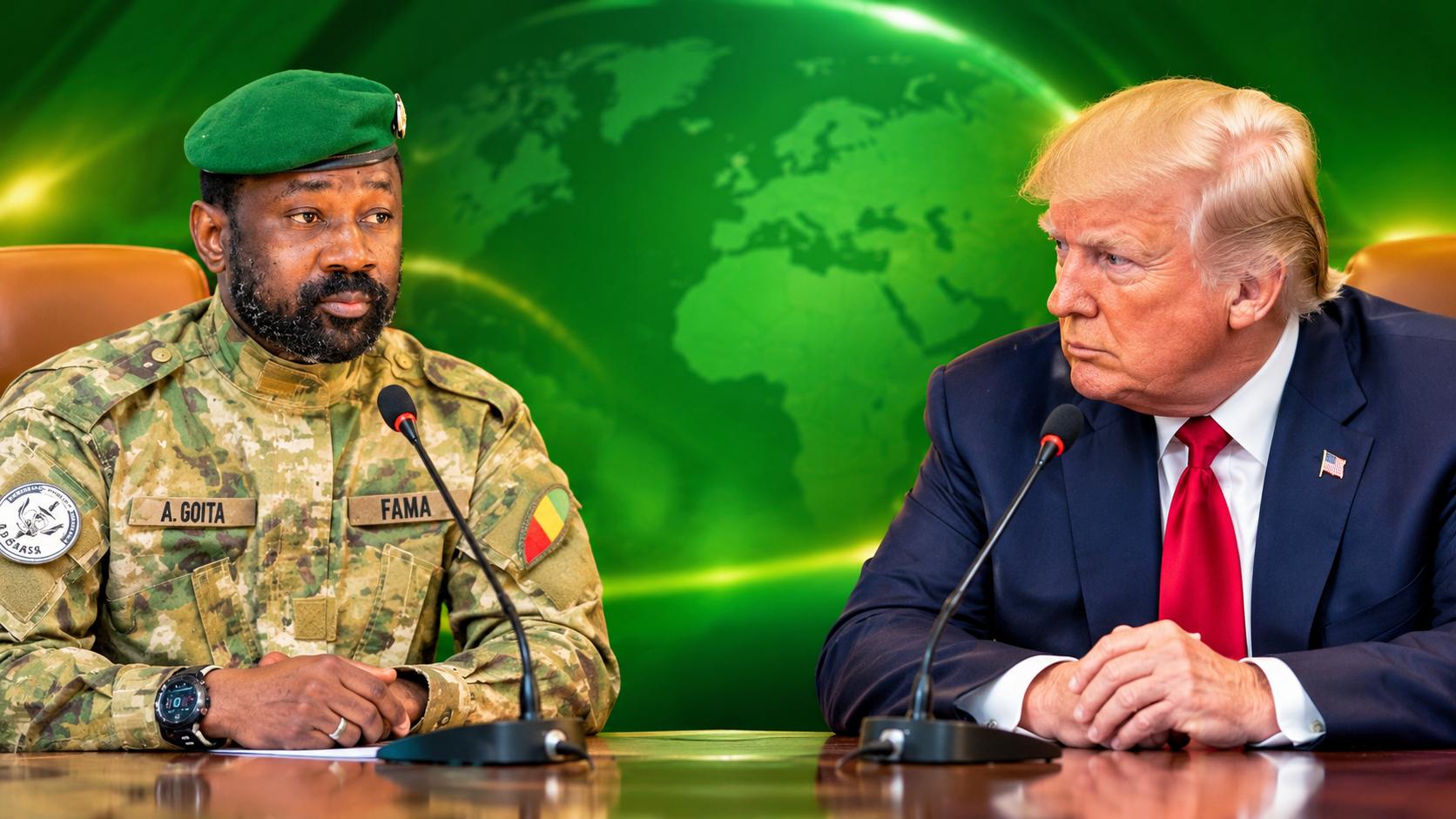
The Alliance of Sahel States (AES) has long positioned itself as a staunch critic of Western influence, particularly from France and the United States. Yet, behind the rhetoric of anti-colonial sovereignty lies a complex financial balancing act. Washington’s latest offer of $410 million to fund migrant outsourcing programs is testing the limits of this ideological stance—and revealing the deep economic vulnerabilities that shape Sahelian policymaking.
Why the AES is reconsidering its anti-Western rhetoric
The $410 million proposal from the U.S. arrives at a critical juncture for the AES. Since military-led transitions took power in Mali, Burkina Faso, and Niger, traditional financial backers like the European Union and World Bank have scaled back funding, citing democratic deficits and human rights concerns. Sanctions have frozen access to foreign reserves, leaving governments scrambling for liquidity to sustain military operations and public services. In this financial straitjacket, the U.S. proposal is less a political alignment than a pragmatic lifeline.
The financial incentives driving cooperation
The U.S. funding mechanism targets countries willing to process or host migrants expelled from American soil, offering significant financial transfers in return. For Sahelian capitals, this arrangement presents immediate budgetary relief—a direct infusion of dollars that can be used to stabilize currencies, rebuild depleted reserves, or even fund security operations. Similar agreements have already been struck with Cameroon, Democratic Republic of Congo, and Eswatini, proving the model’s appeal beyond the Sahel.
For Washington, this strategy serves a dual purpose: it outsources migration management while rewarding governments that align—at least strategically—with U.S. priorities. The AES, facing intense pressure on multiple fronts, now finds itself weighing the immediate financial relief against long-term reputational risks.
The illusion of sovereign independence
The AES’s public narrative emphasizes reclaiming national dignity and rejecting foreign interference. Yet the willingness to engage with the U.S. over the $410 million deal exposes a glaring contradiction. While Western embassies and troops are expelled under the banner of sovereignty, financial negotiations with Washington continue unabated. This selective engagement—condemning military presence while courting budgetary support—highlights a stark reality: economic survival often trumps ideological purity.
The deal’s structure further underscores this tension. The funding isn’t tied to political concessions on governance or human rights, making it a purely transactional arrangement. For Sahelian leaders, the message is clear: when the numbers on the table reach hundreds of millions, old rivalries take a backseat to financial necessity.
What the U.S. migration deal means for Sahel’s future
The immediate impact of the $410 million offer is twofold. First, it provides momentary breathing room for regimes grappling with economic collapse. Second, it reinforces the U.S. strategy of leveraging financial incentives to advance its migration control agenda. But the long-term consequences remain uncertain.
The AES may secure short-term stability, but at what cost? The arrangement risks legitimizing a model where sovereignty is traded for hard currency—a precedent that could reshape regional alliances for years to come. Meanwhile, citizens of the Sahel face a paradox: governments decry foreign interference while accepting funds from the very powers they criticize, all in the name of economic survival.
Conclusion: The financial realism shaping Sahel’s geopolitics
The U.S.-AES migration deal is more than a transaction—it’s a case study in how economics drives political alignment. As Sahelian governments navigate sanctions, economic isolation, and military expenditures, the pull of foreign funding becomes irresistible. While the AES clings to its anti-Western posturing, the $410 million offer reveals a deeper truth: in the Sahel, financial pragmatism has become the new geopolitical currency.
