The democratic republic of Congo: charting the path for a new national dialogue
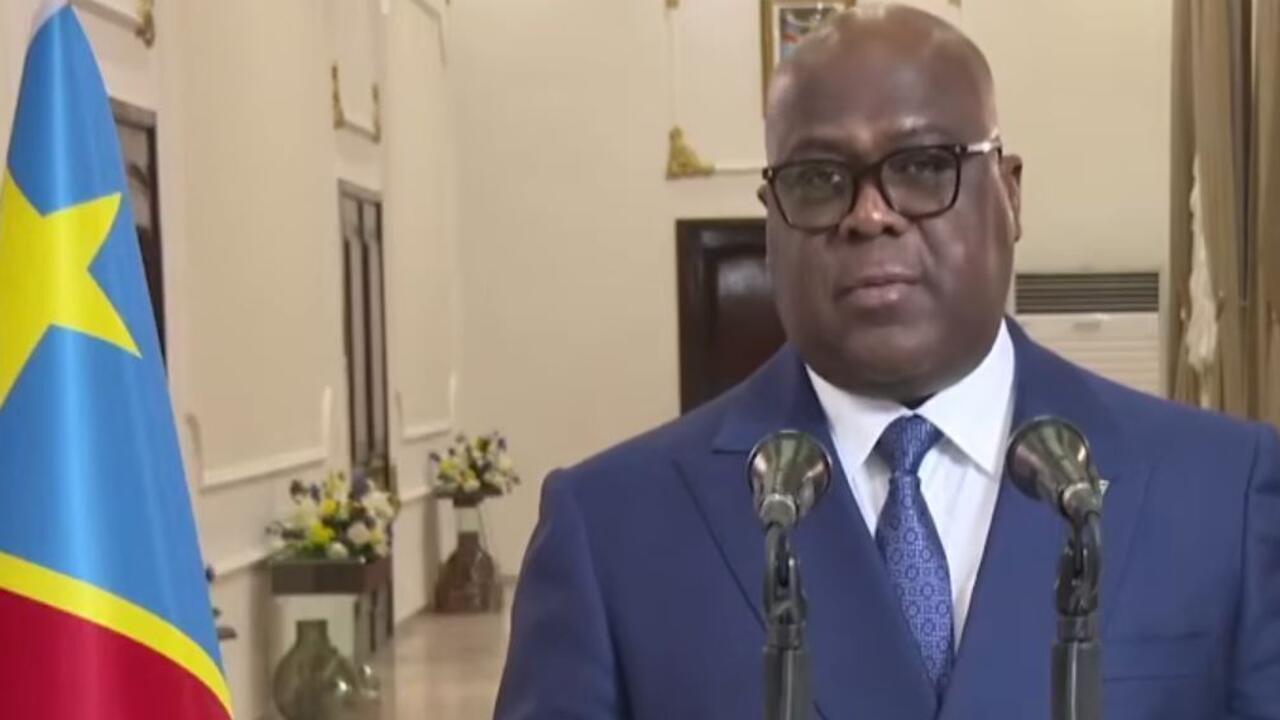
President Félix Tshisekedi has unveiled the framework for a comprehensive national dialogue, a crucial initiative long advocated by the opposition in the Democratic Republic of Congo (DRC). This significant undertaking aims to re-establish peace and fundamentally restructure the state.
The process is set to commence across all 26 provinces of the DRC before converging on Kinshasa, with a projected maximum duration of three months. Participation is envisioned to be broad and inclusive, extending invitations to the ruling majority, various opposition factions, civil society organizations, religious denominations, and diverse segments of the population. However, groups actively engaged in armed conflict will be explicitly excluded from these discussions.
A central question arises: can this dialogue truly achieve its objectives without the involvement of key actors from the ongoing conflict in eastern DRC? Furthermore, what distinct elements will enable this latest national consultation to succeed where previous dialogues and engagements have faltered?
