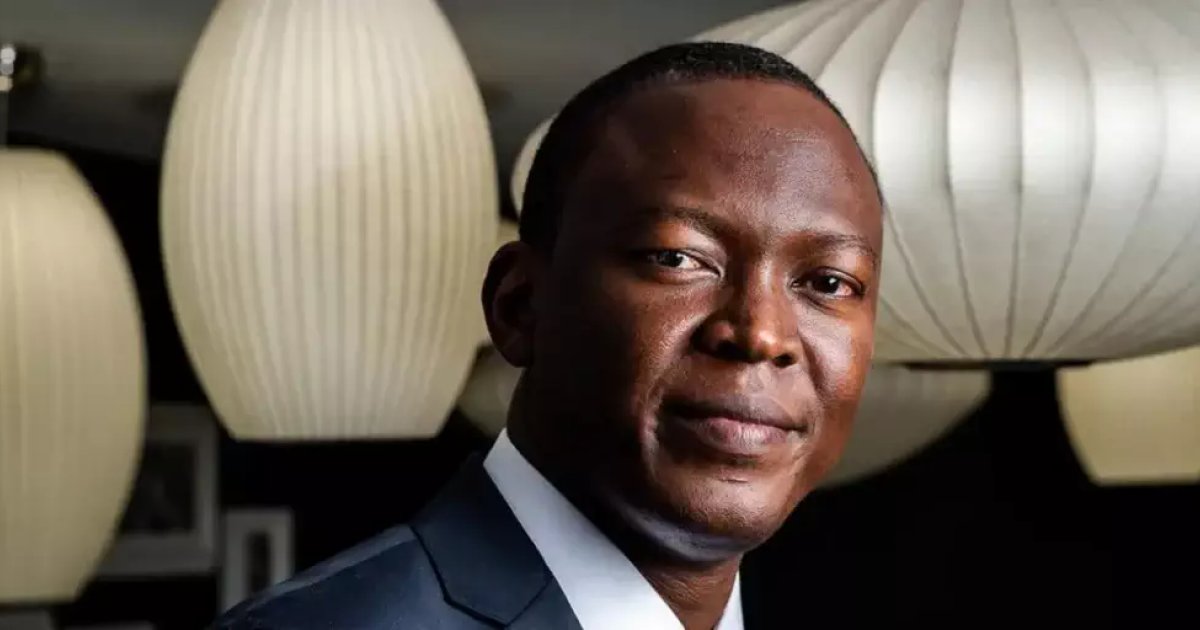
Tchad president grants clemency to opposition leader succés masra
Tchad president grants clemency to Succès Masra, former opposition leader
N’Djamena, Tchad — President Mahamat Idriss Déby Itno has granted a presidential pardon to Succès Masra, former Prime Minister and leader of the political party Les Transformateurs. The decision, announced on August 14, 2026, follows a 20-year prison sentence Masra received for his role in deadly clashes in western Tchad.
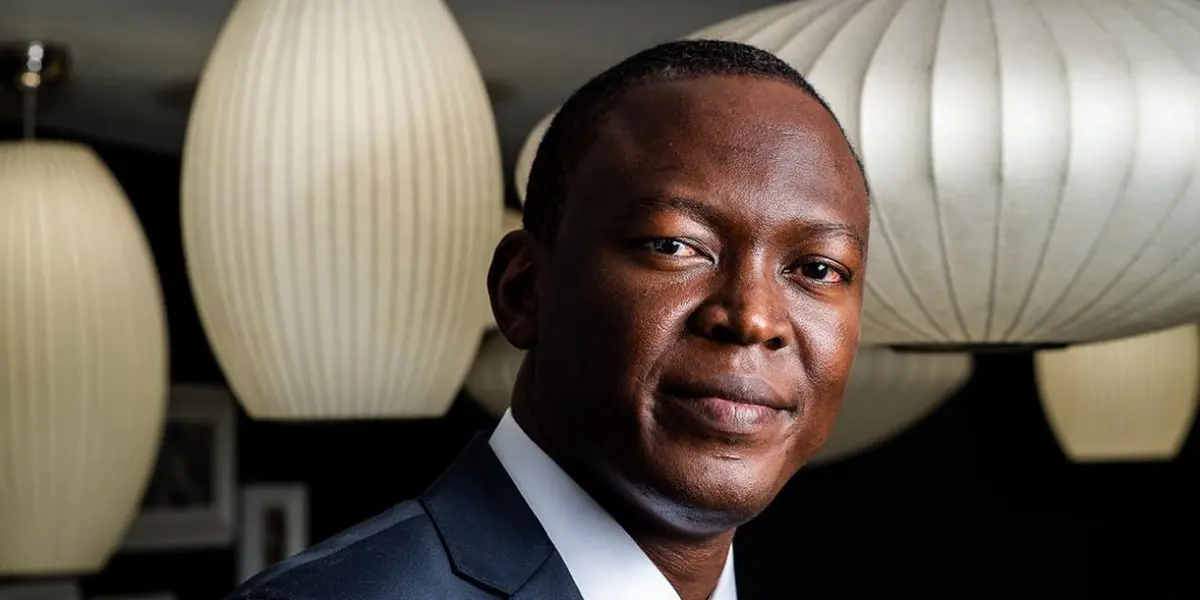
The legal context behind the pardon
The presidential clemency comes nearly three months after the Tchad Supreme Court upheld Masra’s 20-year sentence. On May 21, 2026, judges rejected the defense’s final appeal, confirming the harsh penalty imposed in August 2025 for his alleged involvement in the Mandakao violence that left dozens dead in western Tchad.
Following the court’s decision, all ordinary legal remedies were exhausted, leaving a presidential pardon as one of the few remaining paths to alter the sentence’s execution. The move signals a potential shift in Tchad’s political landscape ahead of upcoming national milestones.
What clemency means for Succès Masra
A presidential pardon does not erase the conviction but halts the enforcement of the sentence, allowing for conditional or full release. For Masra, this decision could pave the way for his imminent freedom while leaving the legal validity of his conviction intact.
His legal team and party, Les Transformateurs, have long contested the trial’s legitimacy, arguing procedural flaws and political motivations behind the charges. The pardon offers temporary relief without resolving these disputes.
A gesture amid political tensions
President Déby’s decision arrives at a critical moment in Tchad’s post-election period. As the country approaches its 66th independence anniversary, calls for conciliatory measures toward opposition figures have grown louder. Earlier this year, Déby hinted at a broader clemency initiative, though specific beneficiaries remained undisclosed until now.
Masra’s case has been a focal point of debate. Advocacy groups and political figures have urged his release, framing it as a step toward easing political tensions and fostering national unity. Once a key transition figure, Masra served as Prime Minister before resigning in the wake of contested 2024 presidential elections, where he garnered 18% of the vote against Déby’s 61%.
His subsequent arrest in May 2025 and swift trial deepened divisions between the opposition and ruling authorities, making this pardon a potential turning point in Tchad’s fragile political equilibrium.
What’s next for Succès Masra?
While the pardon may secure Masra’s immediate release, the legal and political fallout from his conviction remains unresolved. His party continues to challenge the charges, while government officials emphasize the pardon’s role in promoting stability rather than judicial exoneration.
The coming weeks will reveal whether this clemency marks a genuine thaw in Tchad’s political climate or merely a temporary concession to quell dissent.
