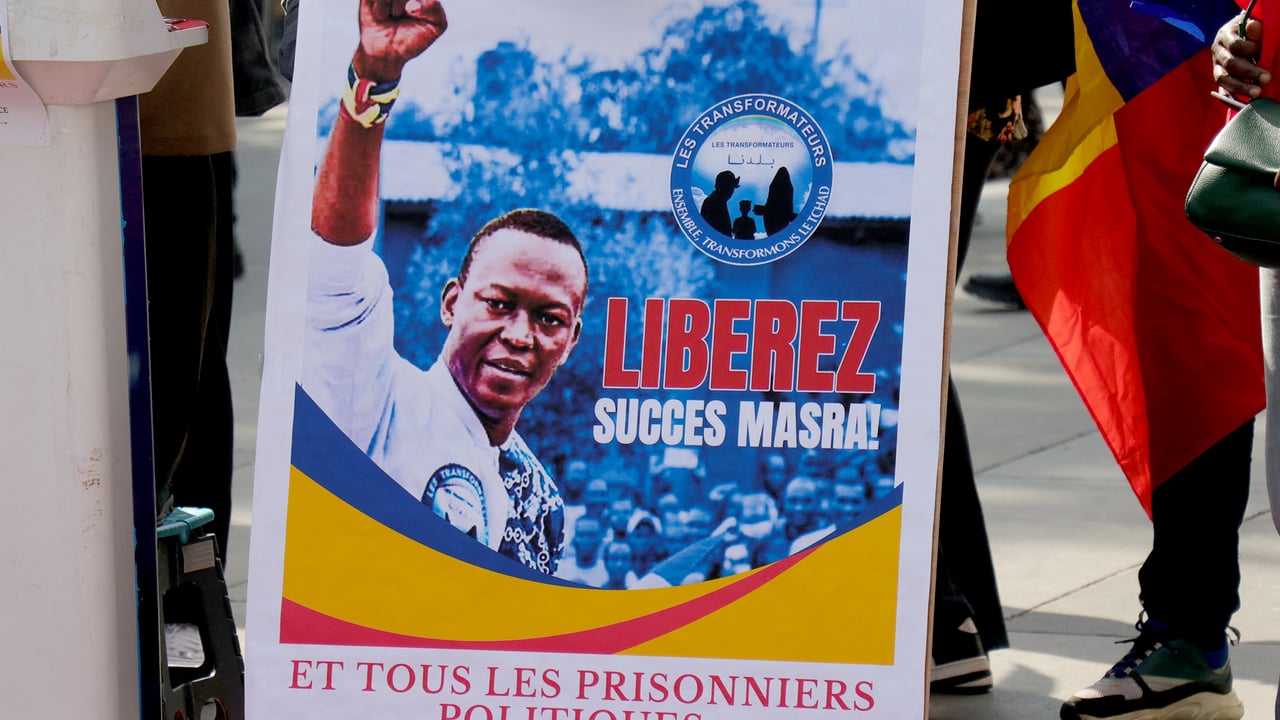
Tchad political crisis: Succès Masra’s year behind bars and behind-the-scenes talks

The political landscape in N’Djamena has been dominated for a year by a high-stakes standoff between opposition leader Succès Masra and the transitional government led by Mahamat Idriss Déby Itno. Behind the scenes, clandestine negotiations have unfolded while Masra remains in detention, sparking international concern and local unrest.
From detention to backchannel diplomacy
One year ago, Succès Masra, head of the Transformers party, was arrested following a wave of protests that shook the Chadian capital. His imprisonment became a symbol of the tensions gripping the nation, with critics accusing the transitional authorities of suppressing dissent. Yet, as public frustration grew, so did the pressure to find a resolution.
While official channels remained frozen, confidential discussions took center stage. These covert talks, mediated by trusted intermediaries, aimed to bridge the gap between the opposition and the military-led government. Sources close to the process revealed that both sides have shown a willingness to compromise, though fundamental differences persist.
Public outcry and diaspora mobilisation
The detention of Succès Masra has galvanized support both within Chad and abroad. In Paris, Washington, and Brussels, Chadian expatriates have staged protests, demanding his immediate release and condemning what they describe as authoritarian tactics. These demonstrations have amplified the global spotlight on Chad’s political crisis, with human rights organizations urging authorities to respect due process.
The diaspora’s activism has not gone unnoticed. Social media campaigns, under hashtags like #FreeSuccèsMasra, have trended across platforms, keeping the pressure on N’Djamena. Meanwhile, within Chad, sporadic unrest has underscored the fragile stability of the transitional period.
What’s next for Chad’s political transition?
As the one-year mark approaches, the question of Succès Masra’s fate looms large over Chad’s future. Will the government opt for a negotiated settlement, or will the standoff escalate into further confrontation? The coming weeks could determine whether the backchannel talks yield results or if Chad’s political crisis deepens.
One thing is certain: the international community is watching closely. With regional stability at stake, the stakes could not be higher for a nation still grappling with the legacy of decades of instability.
