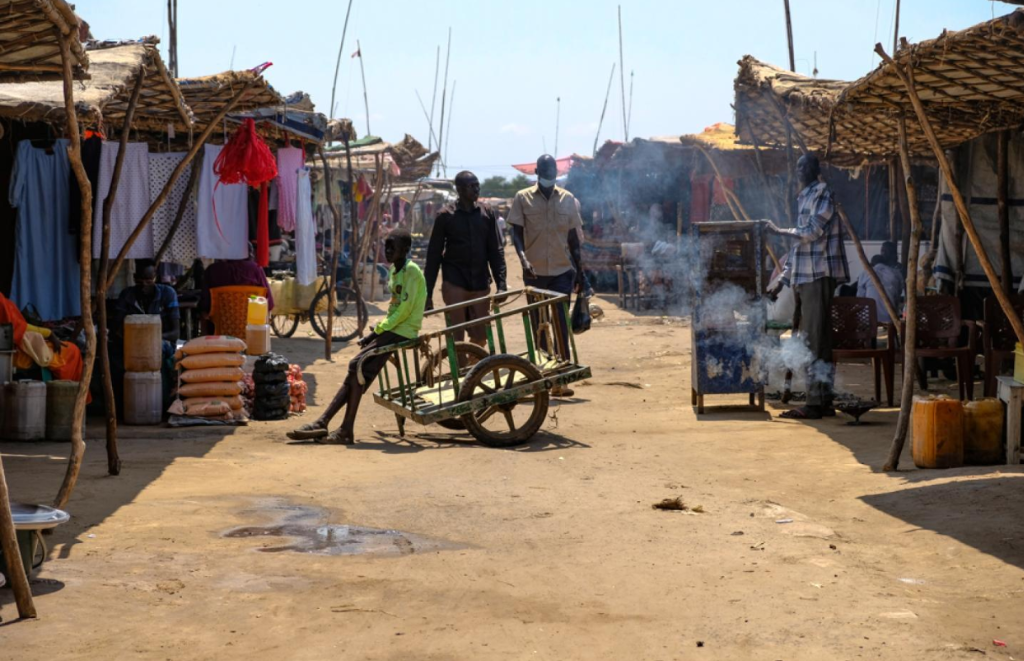
South Sudan condemns suspected Sudan drone strike on Abyei market, 73 dead reported
A suspected drone strike on Amiet market in the contested Abyei region has left at least 73 civilians dead and 19 injured, according to local officials. The South Sudanese government has summoned Sudan’s ambassador to protest the attack, escalating diplomatic tensions between the two nations.
Attack hits busy market in broad daylight
The strike occurred around 11:30 a.m. local time, targeting multiple sections of the Amiet market, a key trading hub for fuel, food, construction materials, and medical supplies. Witnesses reported multiple explosions and subsequent fires, compounded by smoke from burning fuel that hampered rescue efforts. The attack’s timing—during peak market activity—maximized civilian casualties.
Government of South Sudan demands immediate answers
The Ministry of Foreign Affairs in Juba summoned Sudan’s ambassador on October 19 to formally protest the strike, calling the attack a blatant violation of international humanitarian law. Authorities urged Khartoum to refrain from actions endangering civilian lives and to resolve territorial disputes through diplomatic channels rather than military force.
The South Sudanese government stopped short of announcing retaliatory measures but emphasized the gravity of the incident, highlighting the need for an independent investigation to determine accountability. As of now, Sudan has not issued an official response to the allegations.
Abyei’s unresolved status fuels regional instability
Abyei remains one of Africa’s most volatile border disputes, claimed by both Sudan and South Sudan since South Sudan’s 2011 secession. Despite provisional agreements, no permanent resolution has been reached, leaving the region’s 1.3 million residents in legal limbo. The ongoing war in Sudan—pitting the regular army against the Rapid Support Forces (RSF)—has further destabilized the area, disrupting trade routes vital to local communities.
The market’s role in fuel distribution for parts of Sudan may have made it a strategic target, though officials have not confirmed whether combatants or non-combatants were the intended victims. The attack underscores the vulnerability of civilian infrastructure in conflict zones, where markets, hospitals, and schools often become collateral damage.
International law and the protection of civilians
Under international humanitarian law, parties to a conflict must distinguish between civilians and combatants, as well as between civilian and military objectives. The Amiet strike raises critical questions: Was the attack indiscriminate? Did it disproportionately harm non-combatants? Without independent verification, these questions remain unanswered.
The priority now is medical aid for the wounded, identification of victims, and establishing a definitive death toll. Meanwhile, diplomats from both countries face mounting pressure to de-escalate tensions before the crisis spirals further.
What’s next for Sudan-South Sudan relations?
The ambassador’s summons marks a turning point in bilateral relations, but its long-term impact hinges on Sudan’s response. Will Khartoum engage in dialogue, or will this incident deepen the rift? For the families of the victims and the thousands displaced by regional conflicts, the stakes could not be higher.
As search-and-rescue teams continue their work, one question looms: Will this tragedy prompt substantive action to protect civilians, or will it merely add another layer of distrust to an already fractured relationship?
