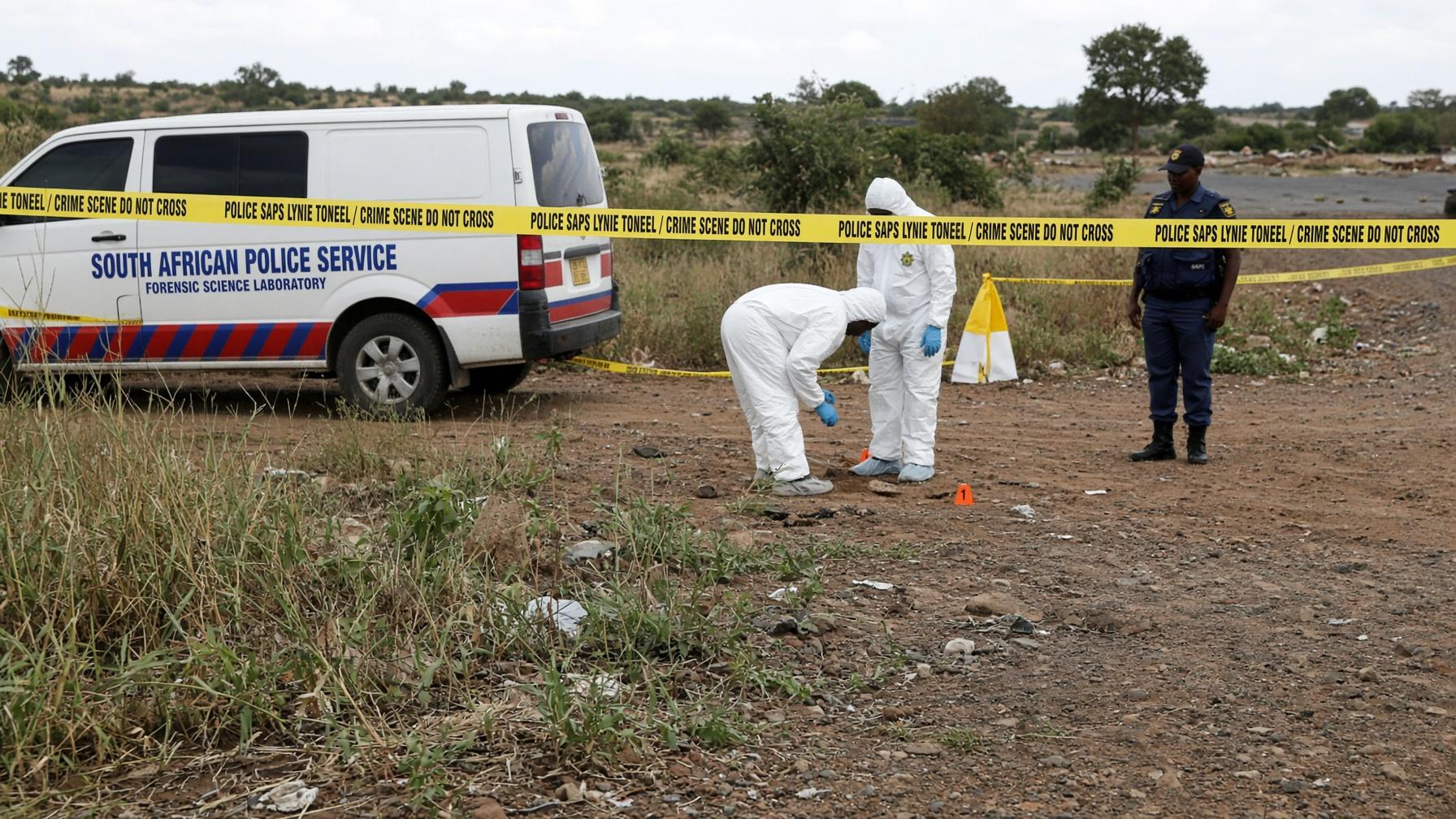
South Africa’s gun violence epidemic: uncovering the roots behind Johannesburg and Cape Town’s deadly rampages
The brutal reality behind South Africa’s latest mass shootings
South Africa is once again grappling with the grim aftermath of coordinated mass violence, as two separate shooting sprees in Johannesburg and Cape Town have claimed at least 27 lives within hours of each other. This latest surge of firearm-related fatalities exposes deeper structural fractures in the country’s security framework, revealing how systemic crime networks and unchecked gun proliferation have fueled an escalating cycle of bloodshed.
Unpacking the coordinated attacks
The first incident unfolded in a densely populated township in Johannesburg, where assailants opened fire in an informal settlement, targeting individuals indiscriminately. Hours later, a second attack erupted in Cape Town’s gang-dominated periphery, where criminal turf wars have long festered unchecked. Police sources confirmed that both assaults were carried out by unidentified gunmen who fled the scenes, leaving investigators scrambling to trace their identities.
Why these locations became flashpoints
Johannesburg’s informal settlements remain hotbeds of criminal activity due to their porous boundaries and limited state oversight, making them prime targets for gang-related violence. Meanwhile, Cape Town’s peripheral zones have become battlegrounds for organized crime syndicates vying for control over drug trafficking and extortion networks. The convergence of these factors created the perfect storm for such deadly rampages.
The enduring crisis of gun violence in South Africa
- Trafficking and organized crime: Illicit firearms circulate freely through criminal networks, often smuggled across porous borders, exacerbating gang conflicts in townships and informal settlements.
- Taxi industry rivalries: Long-standing feuds between minibus taxi associations frequently erupt into violent confrontations, contributing to the country’s high homicide rates.
- Weakened law enforcement: Despite repeated pledges by authorities to clamp down on illegal arms and bolster police presence, systemic corruption and under-resourcing have hindered progress.
Public outrage meets political paralysis
The latest tragedy has reignited public frustration, with citizens and activists demanding decisive action to curb the tide of violence. Yet political responses remain inconsistent, oscillating between tough rhetoric and piecemeal interventions. The government’s struggle to address the root causes—entrenched poverty, unemployment, and a thriving underground economy—has left communities feeling abandoned and vulnerable.
What lies ahead for South Africa?
A combination of stricter gun control measures, targeted policing in high-risk areas, and economic revitalization in neglected communities may offer a path forward. However, without addressing the underlying socio-economic drivers of crime, the cycle of violence threatens to persist, leaving scores of families to mourn their losses while politicians debate solutions.
