Soufism and politics in Senegal the anticolonial legacy resurfaces
Soufism and politics in Senegal: the anticolonial legacy resurfaces
Young leaders and ruling elites are reviving the historical role of Sufi guides as symbols of resistance and homegrown development models
In Senegal’s secular yet deeply spiritual landscape, the lines between faith and governance have always been blurred. Today, political leaders are increasingly invoking the legacy of Sufi brotherhoods—not merely as spiritual guides, but as anticolonial icons whose visions are shaping modern national discourse.
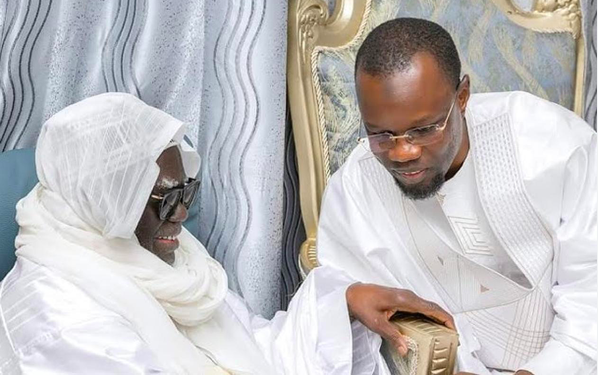
From President Bassirou Diomaye Faye to Assembly President Ousmane Sonko, the nation’s top officials are drawing parallels between their policies and those of revered religious figures who once resisted foreign domination. The recent pilgrimages to Touba—home of the Mouride Brotherhood’s Grand Khalif—by both leaders in late July underscore how these spiritual networks remain the bedrock of national cohesion, especially during political turbulence.
Ousmane Sonko’s visit was particularly symbolic. In a bold rhetorical move, he explicitly linked his political agenda to the teachings of Cheikh Ahmadou Bamba, the founder of the Mouride order, who famously rejected French financial aid to preserve the autonomy of local Muslim communities. Sonko’s speech framed his own policies as a continuation of Bamba’s legacy of ‘economic and cultural sovereignty’.
Religious icons as tools of nationalist revival
This trend is not isolated. Across Senegal, historians, activists, and even school curricula are re-examining the anticolonial contributions of Sufi leaders like El Hadj Oumar Tall (Tijaniyya) and Thierno Souleymane Baal, whose 18th-century theocratic state challenged colonial rule. Movements such as Frapp—a youth-led sovereignty advocacy group—now cite these figures as ‘political lodestars without deifying them’, emphasizing their lessons on self-reliance and resistance.
Yet the narrative is nuanced. Some of these same leaders later collaborated with French colonial forces, a historical contradiction that younger, more critical generations are openly acknowledging. Mamadou Fall, editor of the upcoming General History of Senegal, argues that textbooks must present these complexities, noting that in certain regions, figures like Bamba are remembered not as peaceful resistors, but as ‘conquerors who arrived bearing swords’.
Cheikh Gueye, a Mouride scholar and researcher, highlights the growing trend: ‘There’s a revival of interest in Senegal’s Islamic leaders, not just as spiritual guides, but as anticolonial strategists whose models still inspire.’
The political utility of spiritual legitimacy
The timing of these symbolic gestures is no coincidence. With Senegal facing economic pressures and shifting alliances, political leaders are leveraging the moral authority of Sufi guides to legitimize their policies and rally public support. The Grand Magal pilgrimage—one of West Africa’s largest religious gatherings—has become a political stage, where state officials and opposition figures alike seek blessings and visibility.
While the Mouride and Tijaniyya brotherhoods dominate this discourse, the phenomenon extends beyond them. Even smaller Sufi orders are seeing their histories repurposed in debates about ‘African solutions to African problems’. This shift reflects a broader generational awakening, where young Senegalese are questioning inherited narratives and demanding a redefinition of national identity—one rooted in pre-colonial values, yet adapted to contemporary challenges.
The resurgence of Sufi anticolonial figures in political rhetoric signals more than nostalgia. It represents a deliberate strategy to reconcile tradition with modernity, using the past to navigate an uncertain future.
