Senegal’s political shifts and global tensions explored in latest analysis
Sénégal, Middle East conflict and 2026 World Cup: a critical analysis
The latest episode of Le débat africain examines Senegal’s evolving political landscape alongside rising tensions in the Middle East and the implications for the 2026 World Cup. With recent constitutional reforms stirring debate and President Bassirou Diomaye Faye navigating a new political strategy, will public opinion align with these changes? Meanwhile, escalating conflicts in the Middle East and their global repercussions take center stage in this week’s discussion.
Senegal’s political future: navigating reforms and opposition
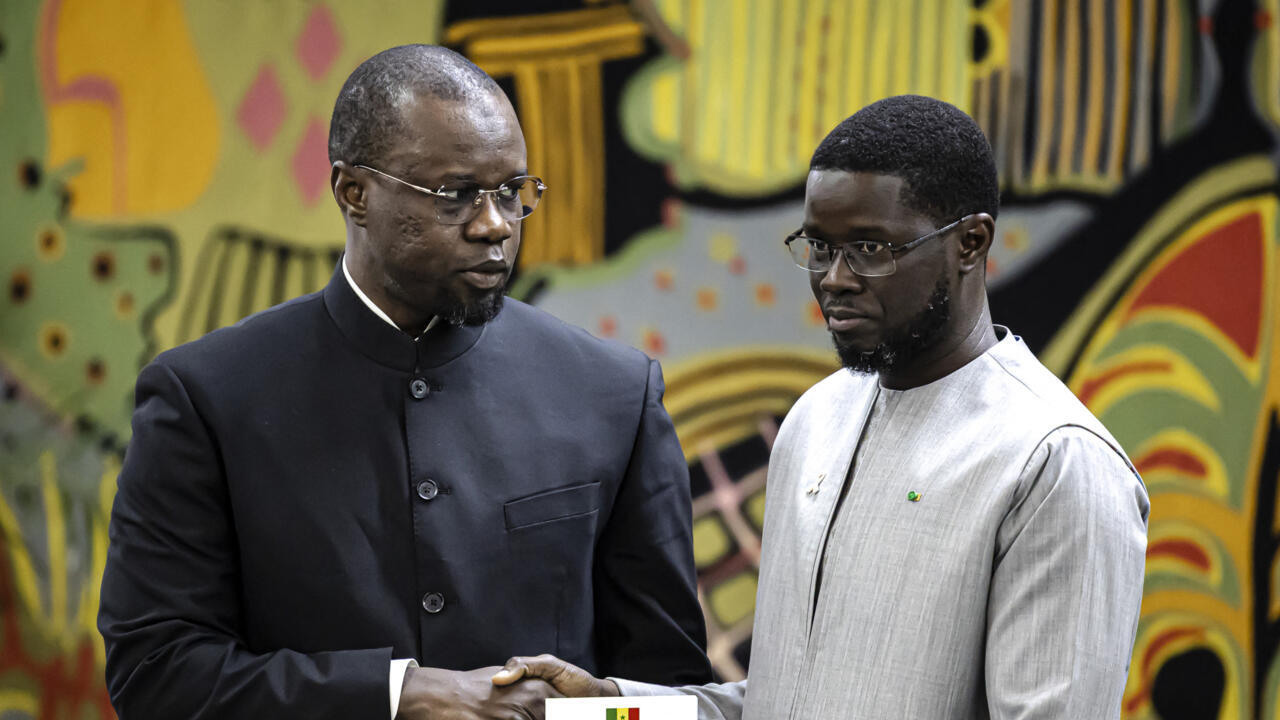
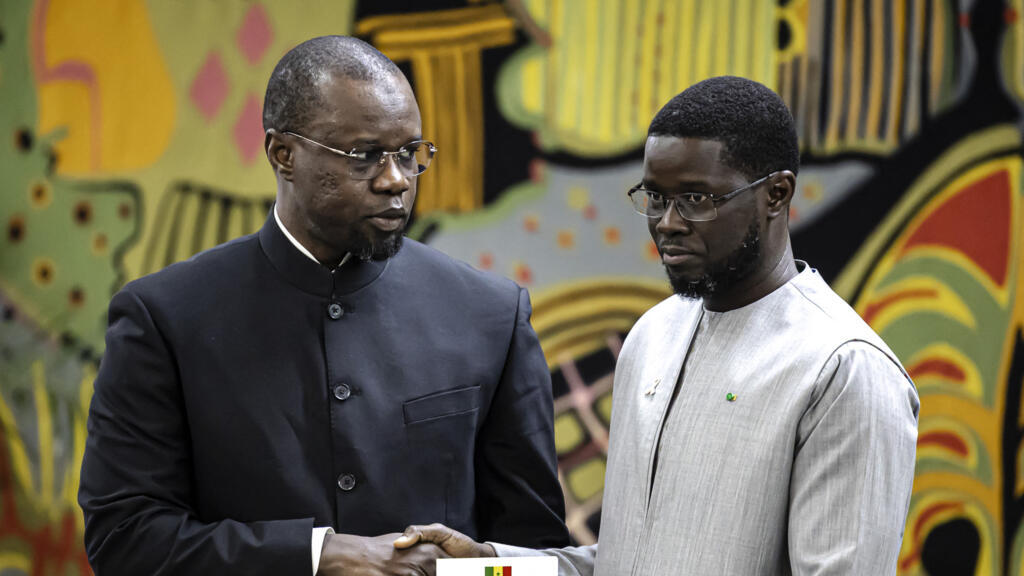
President Bassirou Diomaye Faye has embarked on a bold political strategy, marked by the creation of a new presidential party and the invalidation of constitutional amendments passed by the parliamentary majority of Pastef, led by Ousmane Sonko. This move raises critical questions about the president’s ability to secure broad public support and bridge divides with the opposition.
The Council of State’s decision to invalidate the reforms has intensified political discussions in Dakar. While supporters argue for stability and reform, critics question the president’s intentions and the potential for increased polarization. As Senegal prepares for the next phase of Faye’s mandate, the nation watches closely to see whether this approach will foster unity or deepen existing tensions.
Middle East tensions and global implications
The situation in the Middle East has taken a dangerous turn, with renewed strikes and counter-strikes between key actors. The latest escalation follows recent declarations by Donald Trump, who described ceasefire negotiations with Iran as a “waste of time,” signaling a potential shift toward further military intervention. The region now faces the looming threat of a broader conflict, with repercussions that could extend far beyond its borders.
As global powers weigh their responses, African voices are adding crucial perspectives to the conversation. The evolving dynamics in the Middle East underscore the need for strategic diplomacy and international cooperation to prevent further destabilization.
Weekly African perspectives on global issues
This week’s episode features insights from leading African journalists and analysts, who dissect the complexities of current affairs from a continental viewpoint.
- Wuldath Mama, a Beninese journalist renowned for her expertise in international relations
- Eric Topona, a Chadian journalist with the Deutsche Welle Africa Francophone team
- François Hiondi Nkam, a veteran reporter and Economics Editor at Cameroon’s Le Jour newspaper
