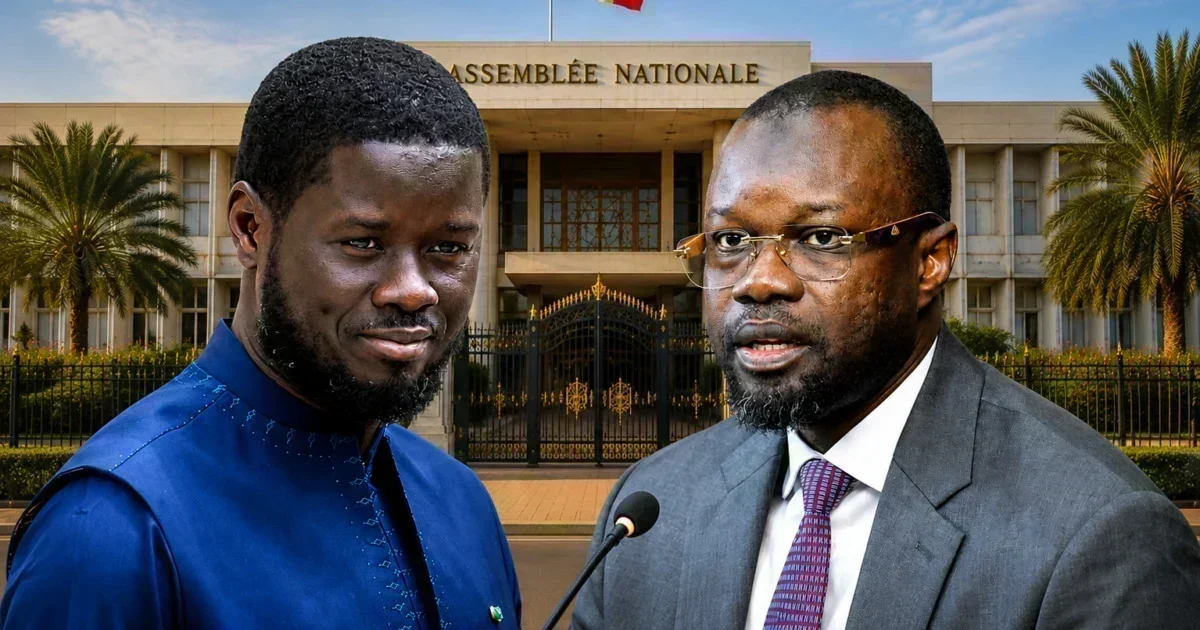
Senegal’s parliamentary land probe: Demba Dieng’s no-show sparks new tensions
Dakar, October 15, 2026 — The refusal of Demba Dieng, presidential advisor and former Director of the Land Registry, to appear before the parliamentary commission investigating land management has intensified a growing standoff between Senegal’s executive and legislative branches. The move, disclosed Thursday, raises fresh questions about the government’s broader strategy in handling the probe.
Constitutional clash: Executive refuses to comply with parliamentary summons
The case of Demba Dieng—who declined a summons to testify before the land management commission—has become a focal point in a widening institutional confrontation. Unlike military officials who cited their status as grounds for non-compliance, Dieng’s refusal lacks an official justification, fueling speculation about an internal directive from President Bassirou Diomaye Faye’s administration.
While the presidency has remained silent on the matter, political observers point to an unspoken rule: presidential advisors may only appear before parliamentary commissions with explicit approval from the head of state. This alleged protocol, never officially confirmed, appears to be at the heart of the current impasse.
Broader implications: Are ministers next to defy parliament?
The controversy deepened with claims from former Higher Education Minister Daouda Ngom, who stated that six current and former ministers had also refused to respond to their summons. While Ngom’s assertion lacks corroboration from either the commission or the individuals involved, it underscores the potential for a domino effect within the executive branch.
If Dieng’s refusal is part of a coordinated strategy, it could signal a deliberate attempt to undermine the parliamentary probe’s credibility. Alternatively, the move may reflect personal or tactical decisions with broader ramifications for governance and accountability in Senegal.
Unanswered questions and next steps
The land commission has indicated it will proceed with its investigation despite the refusals, emphasizing that each summoned individual is presumed innocent regardless of their compliance. However, the lack of transparency surrounding the no-shows—including Dieng’s undisclosed reasons—has left critical gaps in public understanding.
As the probe enters a critical phase, all eyes are on whether additional figures in the president’s inner circle will follow Dieng’s lead. The commission’s next steps remain uncertain, but the stakes are clear: the outcome could redefine the balance of power between Senegal’s executive and legislative institutions.
Key takeaways
- Demba Dieng’s refusal to testify before the land commission has exposed tensions between Senegal’s branches of government.
- Speculation persists about whether the presidency issued an internal directive to avoid compliance.
- Former minister claims six additional officials also ignored summonses, though details remain unverified.
- The commission vows to continue its work despite the defiance, but the lack of clarity risks eroding public trust.
