Senegal’s 2026 budget showdown: parliament delivers final rejection to revised finance law
The government of President Bassirou Diomaye Faye has suffered a decisive setback after the National Assembly rejected the 2026 revised finance bill for the third time on November 3, 2026. The definitive vote, following two prior rejections in the Finance and Budget Control Committee, halts the government’s attempt to adjust public spending mid-year.
Why the revised budget failed: a breakdown of the institutional clash
The repeated rejection of the 2026 Budget Law is not a routine parliamentary hiccup — it reflects a deepening rift between the executive branch and the legislature over fiscal policy and governance. At the core of the dispute lies a fundamental disagreement on how public funds should be allocated and scrutinized.
The Pastef-led resistance
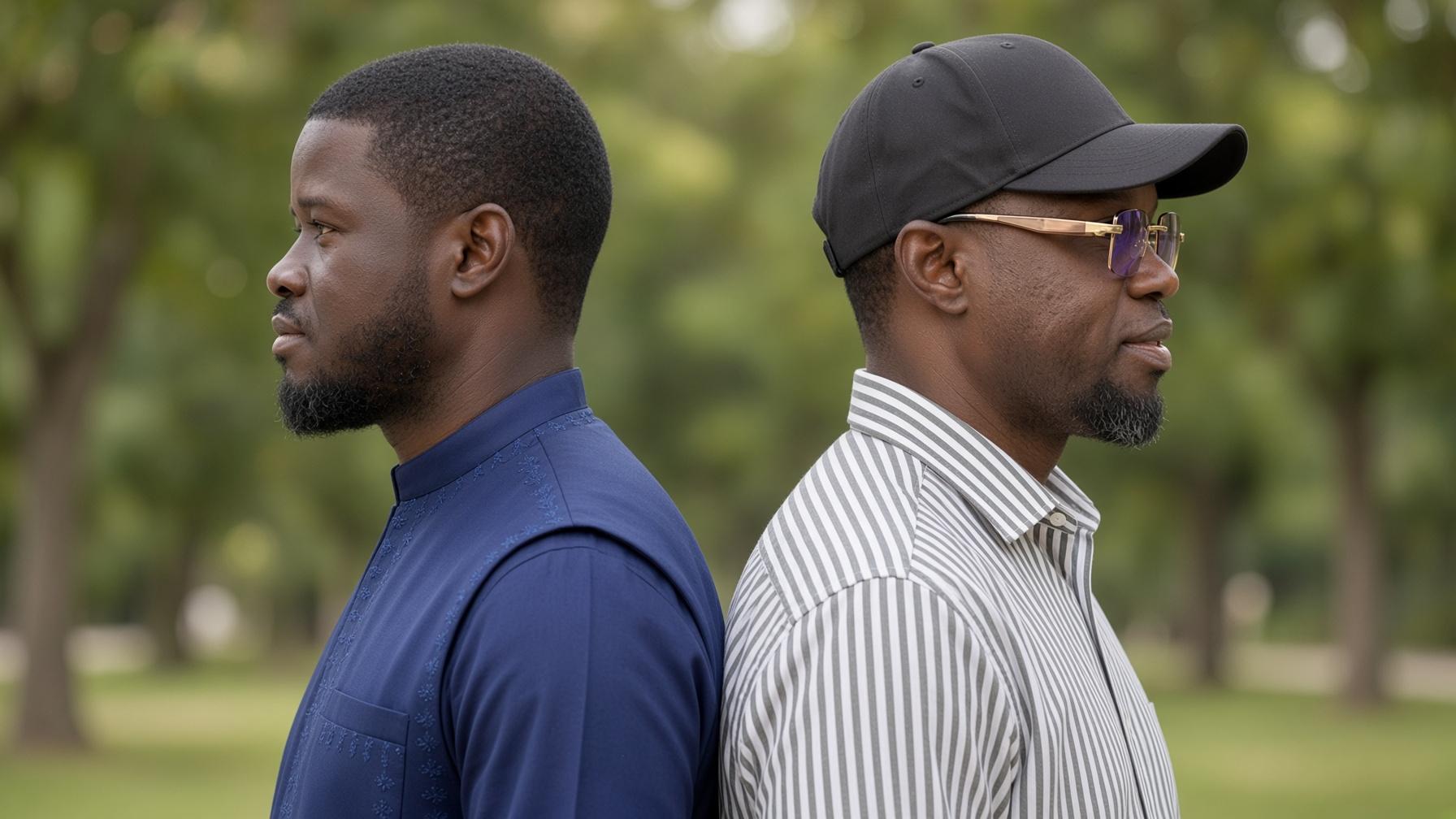
Ousmane Sonko, leader of the ruling coalition’s parliamentary group, openly opposed the proposal, calling on his colleagues to block the legislation. This internal rebellion marks a rare public split within the presidential majority, signaling a growing divide between the president and his former ally.
The parliamentary leadership emphasized that the bill would be reviewed without coercion or intimidation, underscoring their refusal to rubber-stamp a proposal perceived as unilaterally imposed by the government.
Key grievances raised by lawmakers
The opposition, united across party lines, raised three major concerns:
- Severe cuts to social programs: The Finance Committee highlighted a reduction of 555 billion CFA francs in public investment, affecting critical sectors such as healthcare infrastructure, school construction, housing, and flood prevention.
- Debt transparency questioned: Members demanded full disclosure of borrowing terms, management of special funds, and prior publication of audit reports to ensure accountability.
- Budget deficit concerns: The government proposed a deficit ceiling of 1,735.2 billion CFA francs (7.6% of GDP), but lawmakers deemed this insufficient to address their concerns about fiscal responsibility and public welfare.
From debate to confrontation
Relations deteriorated as the government accused lawmakers of punishing the people, while the Assembly defended its constitutional role as a check on executive power. The legislature refused to act as a passive rubber stamp, asserting that its role includes rejecting flawed fiscal proposals.
What comes next? Possible pathways and risks
The triple rejection throws the 2026 budget process into uncharted territory, with several potential outcomes:
- Constitutional bypass: The government could invoke Article 86, allowing it to pass the budget by decree or implement temporary twelfths spending, risking further escalation with the legislature.
- Political retaliation: In response to an executive overreach, the National Assembly may consider more drastic measures, including a vote of no confidence, further destabilizing the government.
- Economic fallout: Finance officials warn that prolonged delays could delay disbursement of international aid, budget support, and payments to state contractors, affecting public service delivery and economic activity.
A turning point for governance in Senegal
This budget standoff is more than a fiscal dispute — it represents a constitutional and political reckoning. The showdown between the president and his own parliamentary coalition raises questions about the future of governance, the balance of power, and the sustainability of fiscal reforms in Senegal.
