Senegal politics under new leadership amid middle east tensions and 2026 fifa world cup
Sénégal, Middle East Turmoil and FIFA World Cup 2026: A Nation at a Crossroads
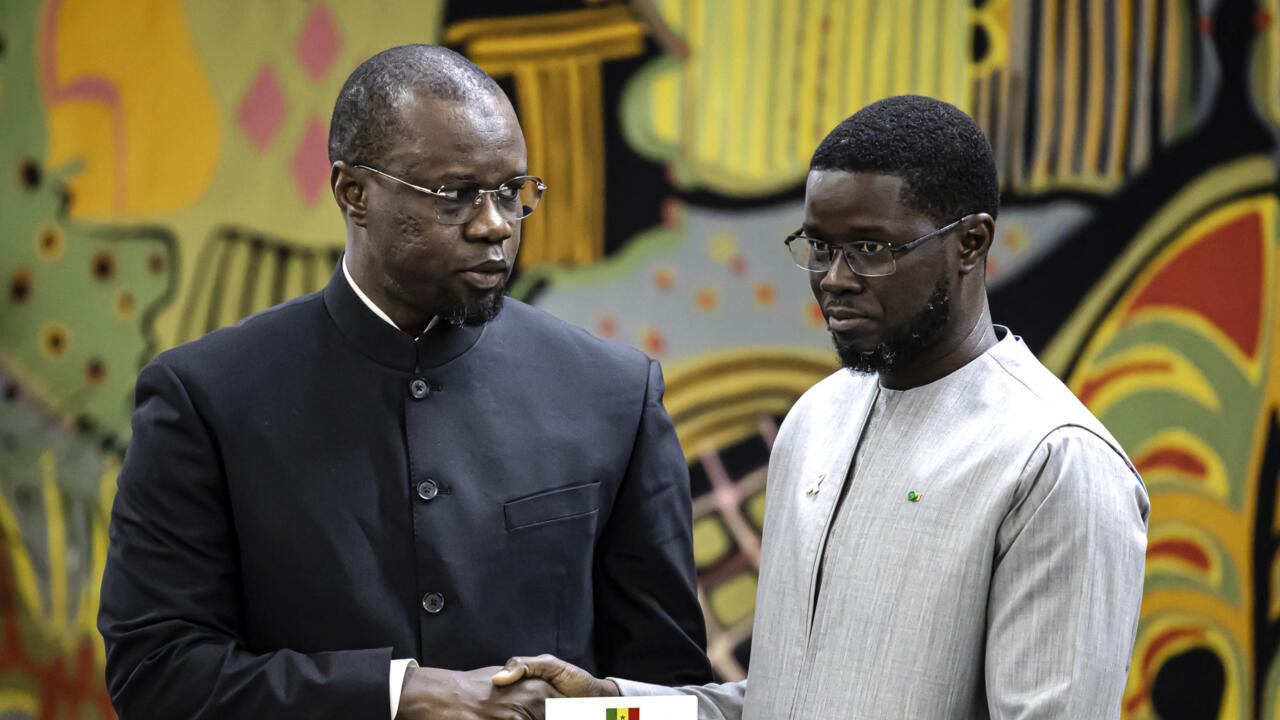
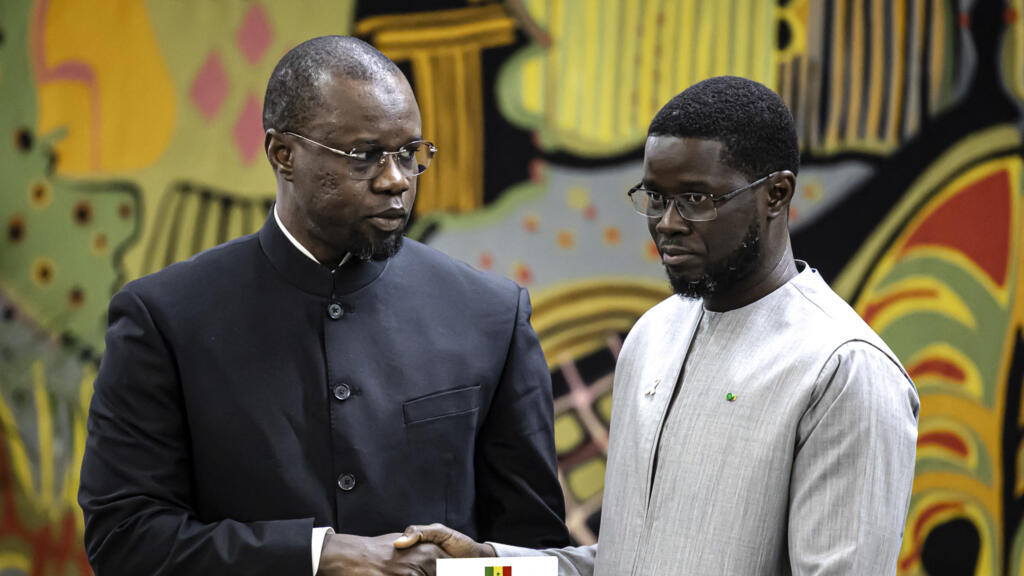
As the world turns its gaze toward unfolding crises, the Sénégal finds itself navigating a complex web of domestic ambitions and global uncertainties. The political landscape has shifted dramatically in recent weeks, with President Bassirou Diomaye Faye’s administration facing critical decisions that could redefine the nation’s future.
At the heart of the debate lies the creation of a presidential party, a bold move intended to solidify the government’s agenda. Yet, this initiative comes at a time when constitutional reforms—once championed by the opposition and the Pastef coalition led by Ousmane Sonko—have been struck down by the Constitutional Council. The ruling has reignited tensions, leaving many to question whether the new party will bridge divides or deepen them.
The geopolitical stage adds another layer of complexity to Sénégal’s challenges. In the Middle East, escalating hostilities between regional powers have reached a tipping point. Recent retaliatory strikes and inflammatory rhetoric from global leaders have cast doubt on the prospects for peace. The United States, under Donald Trump, has declared the ceasefire “over,” dismissing negotiations with Iran as futile. The looming threat of further military intervention raises concerns about the stability of a region already on edge.
Amid these developments, African voices are rising to address the continent’s evolving role in global affairs. A panel of distinguished journalists and analysts convened this week to dissect the implications of these crises for West Africa and beyond. The discussion brought together perspectives from across the continent:
- Wuldath Mama – A Beninese journalist renowned for her insights on international relations
- Eric Topona – A Chadian journalist contributing to Deutsche Welle’s Francophone Africa desk
- François Hiondi Nkam – A veteran Cameroonian reporter and Le Jour newspaper’s Economics Editor
Their analysis underscored the interconnectedness of today’s challenges, from Sénégal’s political maneuvering to the Middle East’s volatile dynamics and the upcoming 2026 FIFA World Cup. As nations worldwide grapple with uncertainty, the debates unfolding in Dakar and beyond may well shape the trajectory of the coming years.
Can Sénégal’s New Political Strategy Unify a Divided Nation?
The formation of a presidential party signals a strategic pivot for President Faye’s administration. However, the Constitutional Council’s rejection of the parliamentary majority’s reforms has left the opposition emboldened. Will the new party succeed in rallying public support, or will it further polarize a nation already divided by ideological and political lines?
The stakes are high, not just for Sénégal but for the broader West African region. As global powers engage in high-stakes diplomacy and military posturing, African nations must navigate these turbulent waters with caution. The outcome of these political and geopolitical battles could redefine the continent’s place on the world stage in the years ahead.
Middle East Conflict: A Looming Threat to Global Stability
The Middle East remains a powder keg, with the potential to drag multiple regions into a wider conflict. The latest escalation in hostilities, coupled with the breakdown of ceasefire talks, paints a grim picture. The international community watches anxiously as rhetoric from key players grows increasingly confrontational.
In this context, African nations must weigh their diplomatic and strategic responses carefully. The continent’s growing influence in global affairs could provide a platform for mediation and peacebuilding, but only if leaders act decisively and collaboratively.
The 2026 FIFA World Cup: A Unifying Opportunity for Sénégal
Beyond politics and conflict, the 2026 FIFA World Cup looms large on the horizon. For Sénégal, the tournament represents more than just sporting glory—it is a chance to showcase the nation’s resilience, culture, and unity on the global stage. Preparations are already underway, with infrastructure projects and youth development initiatives gaining momentum.
Yet, the road to 2026 is fraught with challenges. Economic pressures, political instability, and regional tensions could all impact the nation’s ability to host a successful tournament. As Sénégal charts its course forward, the decisions made today will resonate for years to come.
