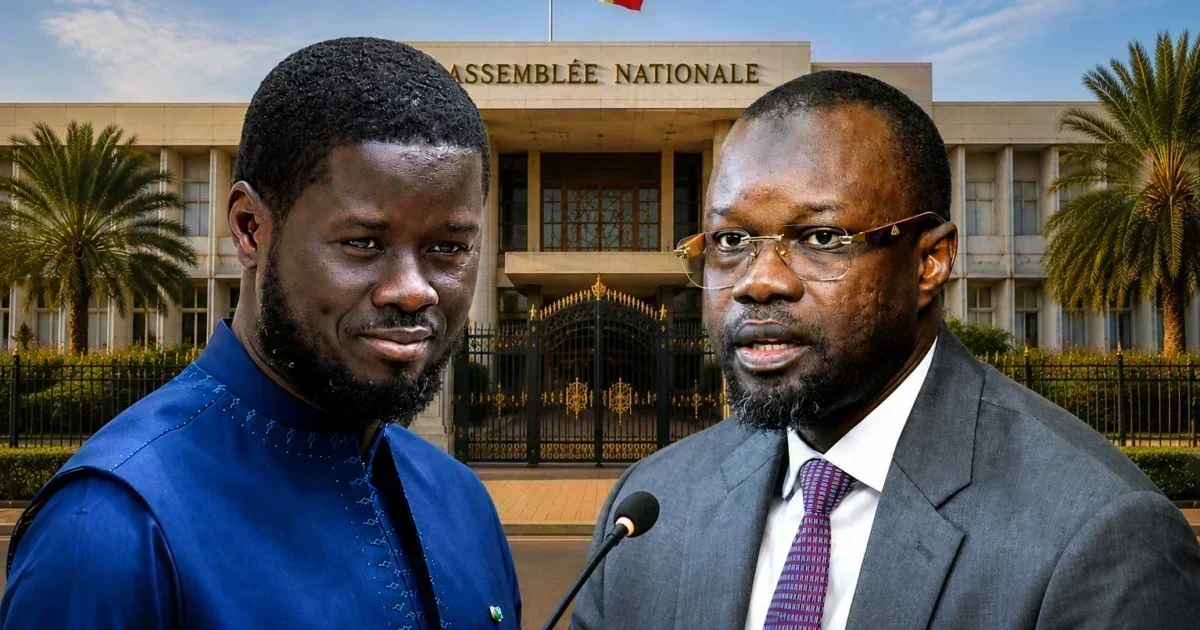
Senegal parliament blocks seven key bills from president
The Speaker of Senegal’s National Assembly, Ousmane Sonko, announced yesterday that seven legislative proposals submitted by President Bassirou Diomaye Faye would not be included in the agenda of the ongoing extraordinary session.
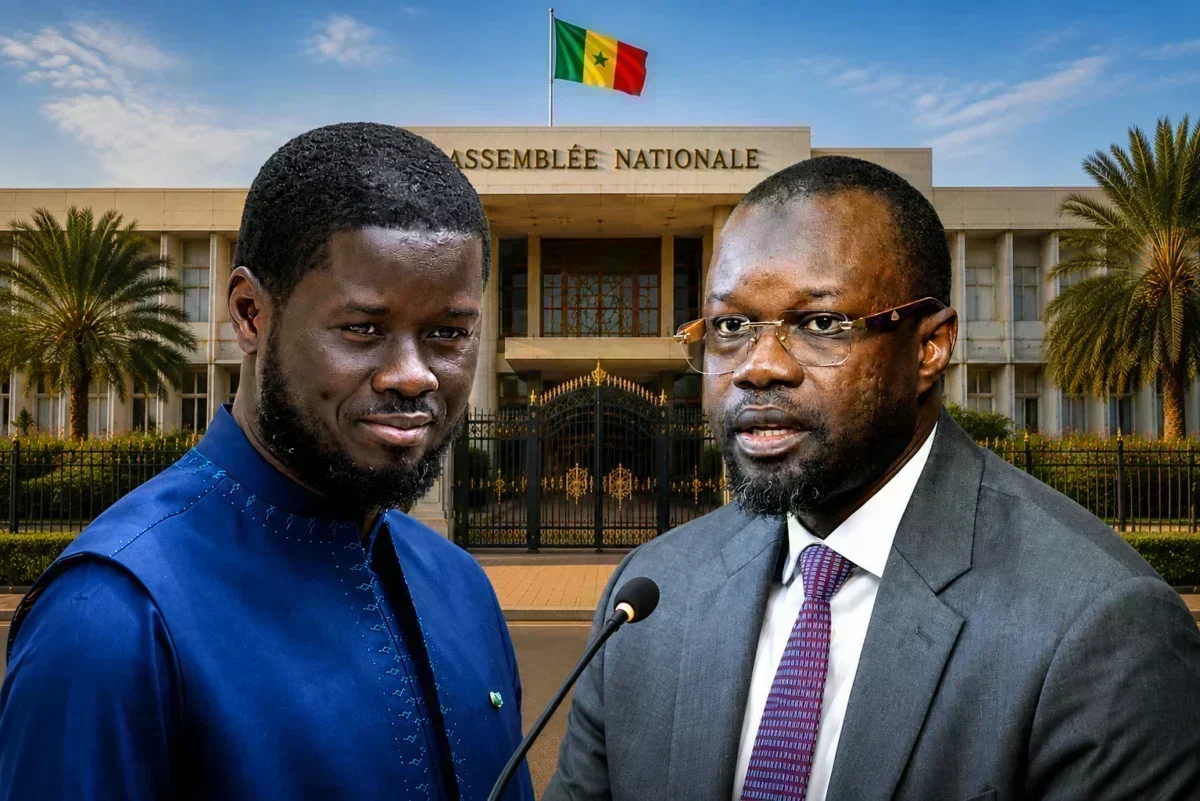
Yesterday marked the opening of the first extraordinary session of Senegal’s National Assembly, convened following a formal notice issued by the Bureau on August 6. During this session, Speaker Sonko informed lawmakers of the receipt of multiple bills introduced by President Bassirou Diomaye Faye. These seven proposals, aimed at ratifying international agreements, were notably excluded from the session’s agenda.
Seven presidential bills deferred to future sessions
The bills presented by the president included initiatives to ratify:
- the Marrakech Treaty to improve access to published works for blind and visually impaired individuals;
- protocols amending specific articles of the International Civil Aviation Organization Convention;
- a military and technical cooperation agreement between Senegal and the Republic of the Congo;
- an extradition treaty with the United Arab Emirates;
- a convention on the transfer of sentenced persons with the United Arab Emirates;
- a judicial mutual assistance treaty in criminal matters with the United Arab Emirates;
- a judicial mutual assistance treaty in criminal matters with Italy.
Speaker Sonko clarified that these bills would not be deliberated during the current session. “Other items will be scheduled for upcoming extraordinary sessions or, if necessary, during the next ordinary session,” he stated.
Three government bills and eight private member bills on the agenda
The Bureau of the National Assembly has instead prioritized other legislative items for this extraordinary session. These include three government bills and eight private member bills, including six proposals to establish parliamentary inquiry commissions. The key bills on the agenda cover:
- the Labour Code;
- the Social Security Code;
- legislation on the protection of critical information infrastructure and digital security.
Urgent consideration of constitutional and financial reforms
The deputies will also review two critical proposals over the next fifteen days. One seeks to amend Article 37 of the Constitution regarding the declaration of the president’s assets, while the other addresses the legal framework for special credits. Both will be examined under an accelerated procedure at the request of their authors.
Additionally, the session will address six proposals for parliamentary inquiry commissions. These include investigations into:
- irregularities in land management;
- the disposal of state-owned property;
- the use of financial mechanisms such as Total Return Swaps by the government;
- alleged irregularities in the procurement and execution of contracts under the “One Student, One Laptop” program;
- revenue losses and the management of tax exemptions;
- the issuance and renewal conditions of fishing licenses.
