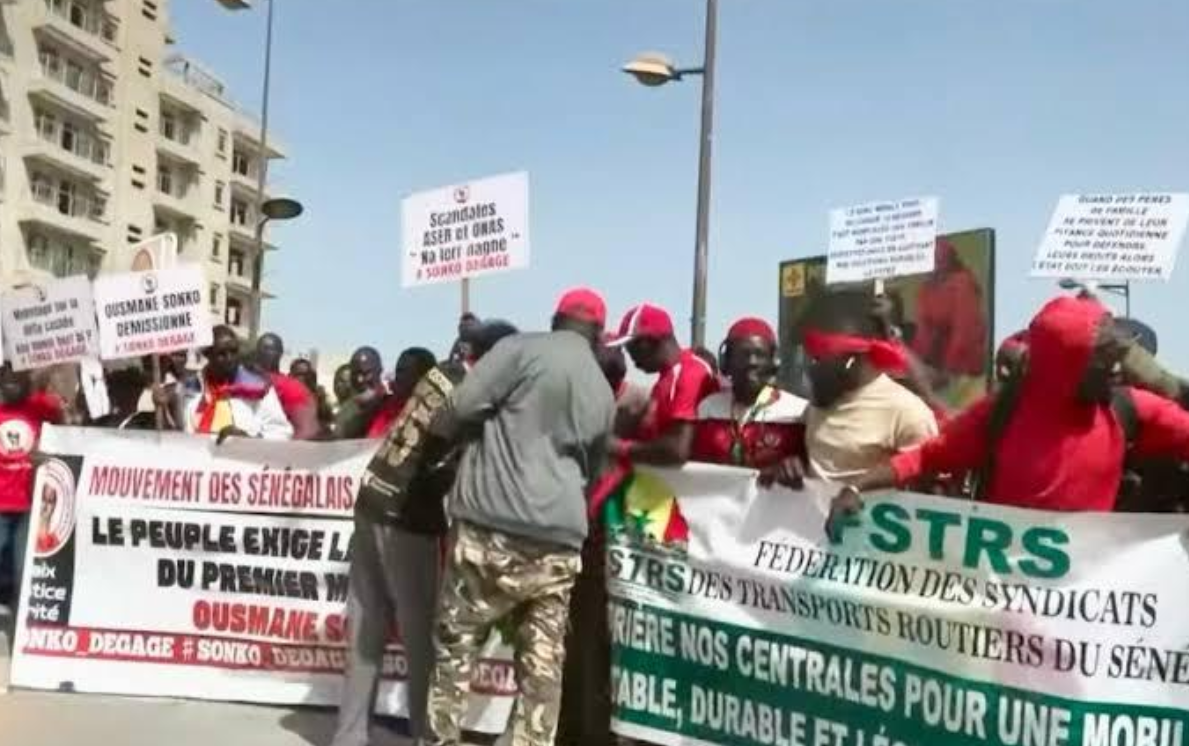
Senegal braces for nationwide strike as workers demand long-overdue reforms
Dakar, October 2026 — Senegal faces a high-stakes showdown as trade unions launch a 72-hour nationwide strike beginning October 21. The protest centers on unfulfilled government promises, delayed wage payments, and deteriorating working conditions across key sectors. As tensions escalate, authorities insist on dialogue while threatening legal repercussions for non-compliance with industrial action protocols. The strike unfolds against a backdrop of political divisions and preparations for the Youth Olympic Games, adding urgency to the crisis.
Why the strike is more than just pay disputes
The walkout, spearheaded by the G7 coalition of seven teacher unions, targets systemic failures in education sector agreements signed in April 2026. Key demands include:
- Payment of outstanding allowances and stipends
- Resolution of long-pending administrative backlogs affecting contract teachers
- Implementation of universal diploma training programs
- Timely credentialing for trainee teachers and allocated funding
The G7 warns that failure to honor these commitments threatens the upcoming 2026-2027 school year, despite a delayed September 12 reopening due to flooding disasters. Meanwhile, the FSDT labor coalition is amplifying demands to include broader worker protections, employment condition upgrades, and social cohesion guarantees across public and private sectors.
Government responds with carrot and stick approach
Prime Minister Ahmadou Al Aminou Lo convened a tripartite social stability summit on October 15, reiterating the government’s commitment to dialogue while requesting a three-month moratorium on strikes to facilitate negotiations. However, administrative authorities countered on October 20, declaring that a single strike notice to the Labor Ministry fails to legally cover a general walkout spanning public, parapublic, and private sectors. Violations could trigger wage deductions and disciplinary actions against participating workers.
Earlier assurances were given about guaranteeing free movement of people and goods during the strike, alongside protections for workers choosing to report to duty. This dual strategy—promoting negotiation while enforcing procedural compliance—highlights the administration’s struggle to balance worker expectations with public service continuity.
Political undercurrents deepen social tensions
The strike occurs amid intense political discord over 2027 budget allocations and institutional power struggles between legislative and executive branches. While union demands remain primarily professional, their escalation coincides with broader questions about government credibility and fiscal responsibility. Analysts suggest the crisis may test Senegal’s political cohesion ahead of international events, particularly the Youth Olympic Games where nationwide stability is paramount.
For unions, the protest represents a last-resort mechanism to hold authorities accountable for signed agreements. Yet critics warn that prolonged disruption risks undermining Senegal’s economic recovery trajectory and international reputation.
Can social dialogue survive the pressure?
The immediate challenge lies in preventing further escalation once the 72-hour window closes. A structured resumption of talks with verifiable implementation timelines could defuse tensions, while continued inaction risks cementing distrust between labor and policymakers. For millions of families relying on public services, students awaiting education reforms, and businesses navigating operational risks, the outcome will hinge on tangible government actions rather than rhetorical commitments.
In a nation where state-union dialogue is vital for national cohesion, the resolution’s durability depends not on declarations but on measurable progress that translates promises into tangible reality.
