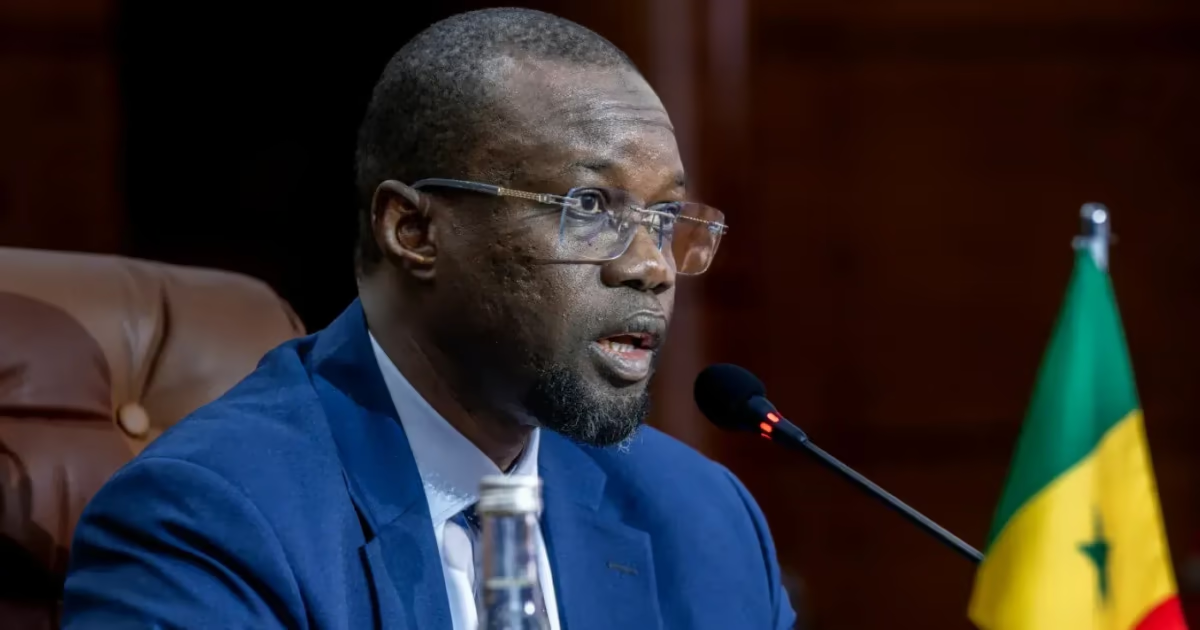
Senegal assembly session: Ousmane Sonko’s 11 key bills to reshape governance
Senegal assembly session: Ousmane Sonko’s 11 key bills to reshape governance
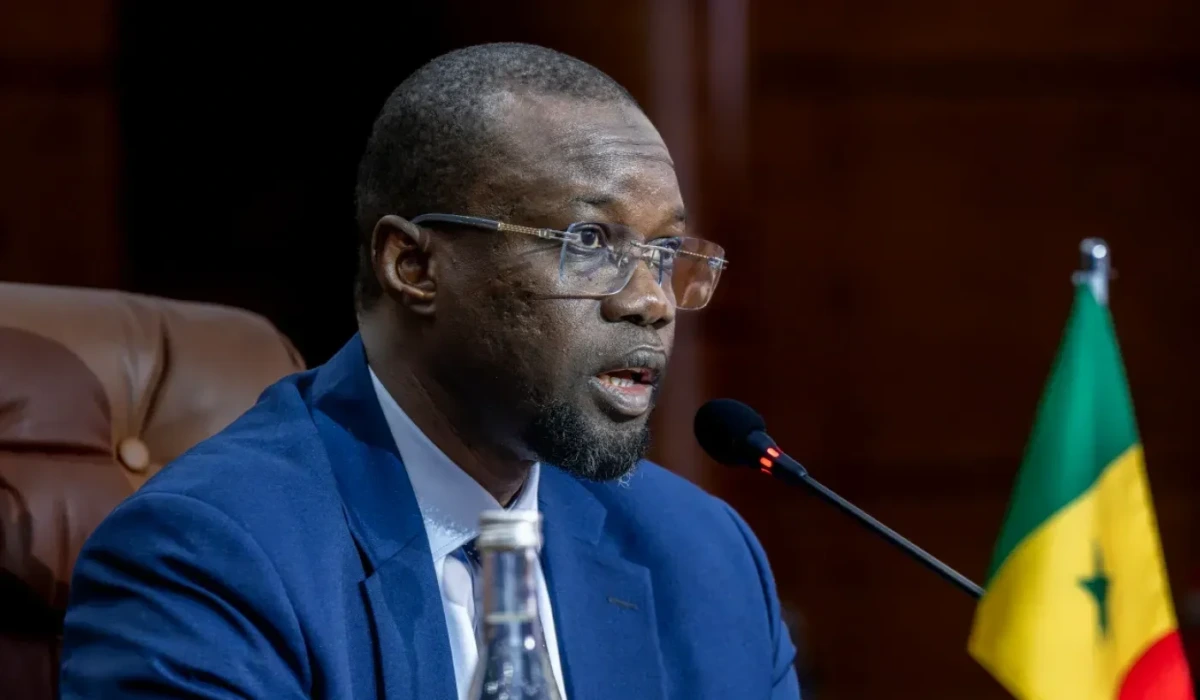
With eleven critical legislative texts on the agenda, the National Assembly is set to embark on a pivotal session that could redefine Senegal’s institutional landscape.
An unprecedented legislative agenda kicks off
The Bureau of Senegal’s National Assembly has convened deputies for a landmark extraordinary session beginning next Monday at 10 a.m., marking the opening of the 2026-2027 legislative year. This gathering comes with an unprecedented workload: eleven legislative items, including transformative reforms and multiple parliamentary inquiry commissions, promise to dominate the parliamentary calendar.
Key reforms and transparency initiatives take center stage
The legislative agenda features two draft proposals, three government bills, and six requests for parliamentary inquiry commissions. Among the most anticipated measures is a proposed constitutional amendment targeting Article 37, which governs the declaration of assets by the President of the Republic. This initiative follows sustained public demand for greater accountability in governance.
A second focal point is a draft law designed to regulate special credits and secret funds—an issue that has repeatedly sparked debates about fiscal transparency and the management of public finances. These proposals, having cleared initial admissibility checks by the Assembly’s Bureau in July, now face detailed examination.
Parliamentary scrutiny intensifies with multiple inquiry commissions
The session will also consider six requests to establish parliamentary inquiry commissions, signaling enhanced parliamentary oversight. These commissions will probe critical matters ranging from institutional governance to public accountability, potentially reshaping the relationship between the executive and legislative branches.
Transformative potential for Senegal’s governance
With these eleven legislative texts, the extraordinary session is poised to become a watershed moment for Senegal. The debates promise to address long-standing concerns about transparency, institutional accountability, and the balance of power within the government. As deputies convene, the outcomes of these deliberations could set new benchmarks for democratic governance in the country.
