Senegal assembly responds to Sonko’s inquiry commissions
Senegal assembly responds to Sonko’s inquiry commissions
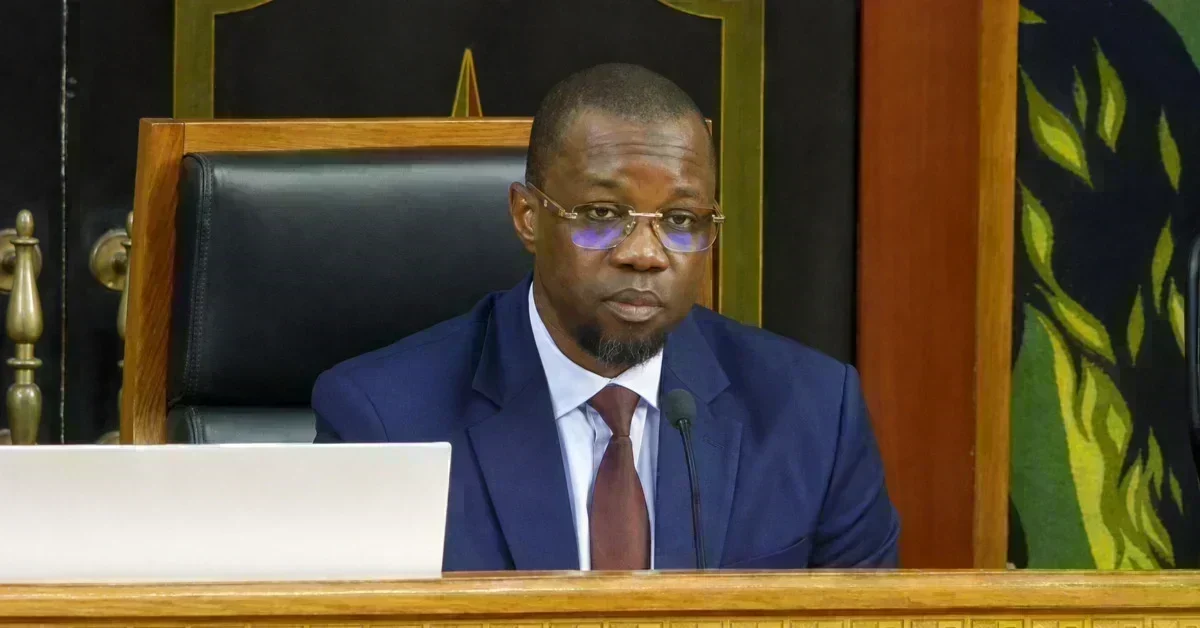
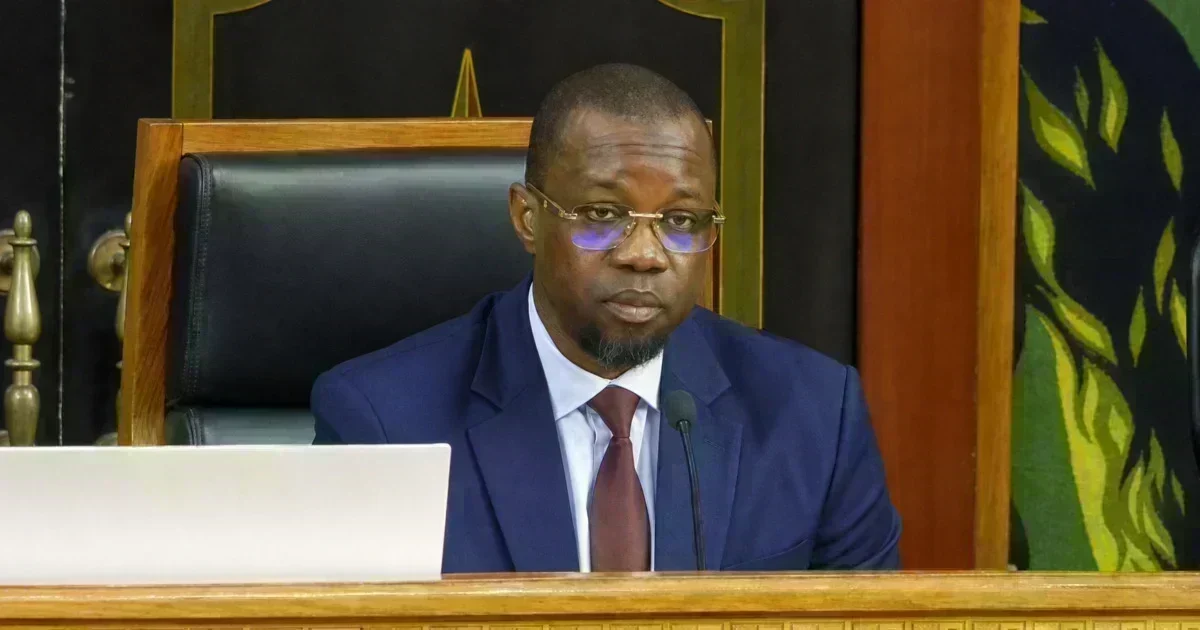
During the opening of a special legislative session, the president of Senegal’s National Assembly addressed concerns raised about the legality of six proposed inquiry commissions. He emphasized that parliamentary investigations cannot proceed on cases already under judicial review.
The new legislative year’s maiden session, which began on August 10, 2026, included a packed agenda with eleven key items: two legislative proposals, three government bills, and six requests for parliamentary inquiry commissions. Among the targeted areas are land management near Dakar’s former airport, the “One Student, One Laptop” program, tax revenue shortfalls, and fishing license issuance.
Legal framework and parliamentary inquiries
To preempt criticism, the Assembly president clarified the legal boundaries governing such inquiries. He stated, “The law explicitly prohibits the National Assembly from establishing a parliamentary commission on matters already before the courts.” He further noted that he had personally sought confirmation from the Minister of Justice to ensure compliance. “Following my inquiry, the response received last week confirmed that, of the five cases identified, only one—related to land near Dakar’s former airport—had any legal proceedings underway,” he explained.
Session agenda and key priorities
The session, capped at fifteen days under Organic Law No. 2025-11 of August 18, 2025, focuses on urgent national issues. The proposed commissions cover:
- Land management around Dakar’s former airport, addressing concerns over irregularities in property allocation.
- The “One Student, One Laptop” program, scrutinizing its implementation and impact on education equity.
- Tax revenue shortfalls and exemptions, examining potential mismanagement or deliberate reductions in state income.
- Fishing license regulations, investigating compliance and potential corruption in licensing processes.
These inquiries reflect growing public demand for transparency in governance, particularly in sectors marred by past controversies. The Assembly’s approach underscores a commitment to accountability while navigating legal constraints.
