Senegal and Gambia advance definitive border demarcation following Bullock incident
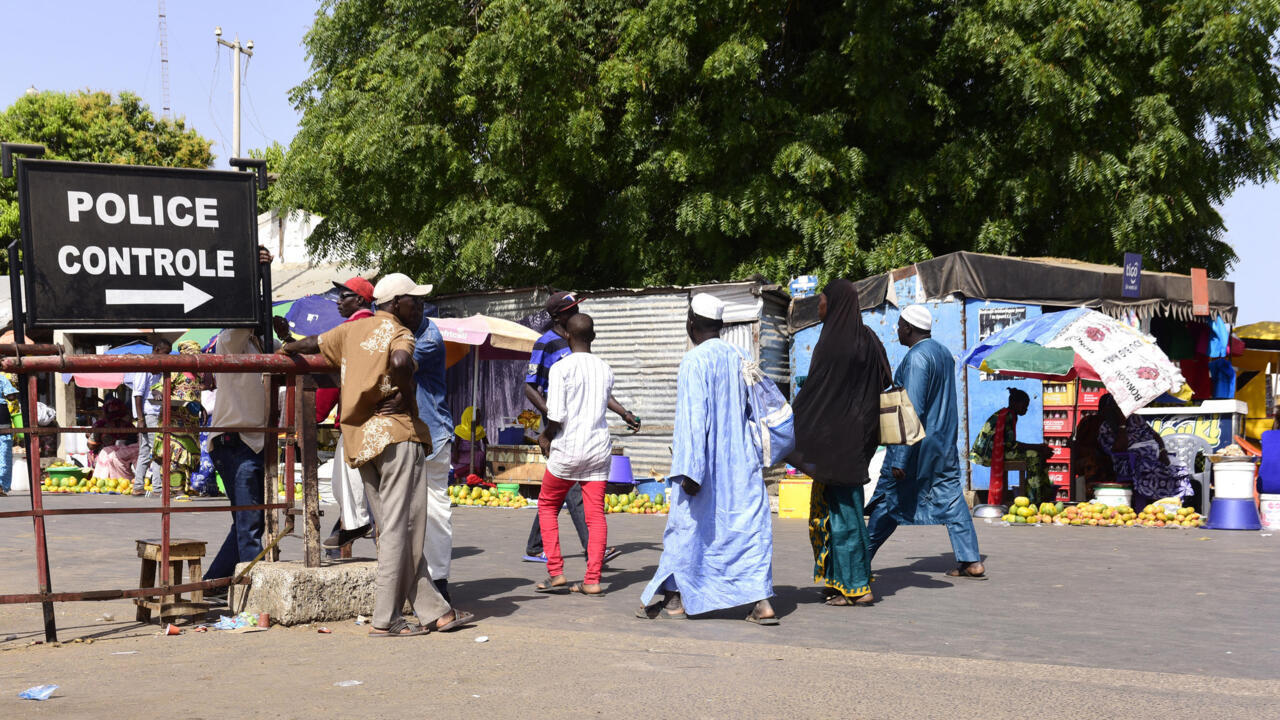
Following a recent incident near Bullock, Senegal and Gambia have announced the successful finalization of a comprehensive agreement aimed at clarifying the precise alignment of their shared international border. Both nations are preparing to recommence joint fieldwork in mid-August, focusing on the physical demarcation and materialization of the frontier. This critical phase will involve the installation of tangible boundary markers and a vital public awareness campaign targeting communities residing along the border.
Addressing underlying border tensions
The recent incident at Bullock underscored the persistent need for a clearly defined and physically marked border between these two West African nations. Historical ambiguities in the boundary’s precise location have frequently led to misunderstandings and localized disputes. These unresolved territorial questions can impact daily life for border communities, affecting land use, trade routes, and even access to essential resources. Furthermore, an unclear border can complicate efforts in regional security and effective governance, creating potential areas of friction that require urgent resolution.
The definitive agreement and its implementation
This newly established “definitive agreement” represents a significant diplomatic achievement. It lays the groundwork for a collaborative approach to physically delineate the entire shared border, which is crucial for fostering stability and mutual understanding. The planned joint operations, commencing in mid-August, will not only involve technical experts but also prioritize engagement with local populations. By installing visible boundary markers and conducting awareness campaigns, authorities aim to ensure that residents on both sides of the frontier fully comprehend and respect the agreed-upon demarcation. This community involvement is seen as fundamental to the long-term success of the initiative.
Prospects for lasting resolution
While this agreement marks a pivotal step forward, the complete and permanent resolution of all potential border frictions will require sustained effort and commitment from both Senegal and Gambia. The physical act of demarcation can be intricate, often encountering challenges related to terrain, existing settlements, or local claims. However, the collaborative spirit demonstrated in reaching this definitive accord provides a strong foundation. Continuous dialogue, respectful engagement with border communities, and a shared vision for regional stability will be essential to transform this agreement into a lasting solution, ensuring peace and cooperation along the Senegal-Gambia frontier for generations to come.
