
security chaos fuels Rwanda’s strategic agenda in eastern DRC
The Democratic Republic of the Congo’s government recently announced a new agreement with the Rwanda-backed Democratic Forces for the Liberation of Rwanda (FDLR) to disarm, demobilize, and relocate these rebel factions operating in eastern DRC. However, Kigali has dismissed the initiative, labeling it a “delaying tactic.” This dispute between Kinshasa and Kigali over the FDLR has persisted for decades, with Rwanda accusing the group of involvement in the 1994 genocide. Kigali continues to justify its military presence in eastern DRC alongside the M23 rebel group, citing the FDLR as an ongoing security threat.
Under last year’s Washington agreements, Rwanda committed to withdrawing its troops, while Kinshasa pledged to neutralize the FDLR. Yet today, the stark contrast between these commitments and the current reality raises critical questions about both nations’ intentions.
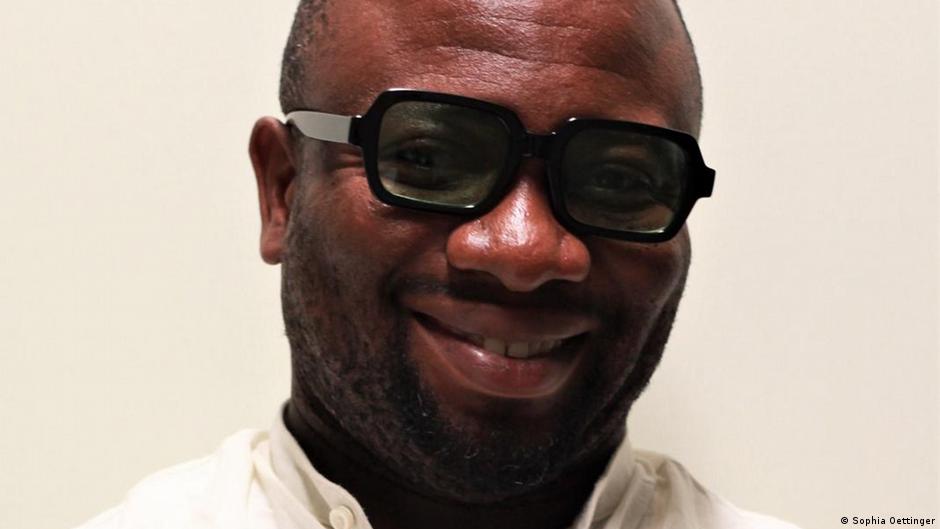
Insights from Josaphat Musamba, a PhD researcher at Ghent University in Belgium
Josaphat Musamba: “Kigali has rejected every attempt at dialogue or persuasion regarding the FDLR. The regime appears insincere in its stated objectives. Despite its military engagements, the status quo in eastern DRC seems to serve Kigali’s interests—reinforcing its strategic position. The ambiguity surrounding Rwanda’s long-term ambitions in eastern DRC remains a major concern.”
Insights on the FDLR’s role and presence in eastern DRC
Josaphat Musamba: “While Kigali and the M23 rebels claim the FDLR are integrated into the Congolese Armed Forces, this assertion lacks factual basis. Neither the M23 nor the Rwanda Defence Forces (RDF) have succeeded in fully neutralizing the FDLR within their claimed zones—a puzzling observation. The persistent insecurity in eastern DRC appears to align with Kigali’s broader geopolitical agenda. By destabilizing eastern DRC’s administrative structures, Rwanda strengthens its influence in the region.”
Evaluating Rwanda’s stance on the Washington agreements
Josaphat Musamba: “Kigali’s criticism of the Kinshasa-FDLR protocol is unfounded. The Democratic Republic of the Congo has adopted a context-sensitive approach, favoring dialogue over confrontation with the FDLR. While continuing to counter the RDF and M23, Kinshasa cannot afford to open additional fronts with the FDLR. If persuasion can dismantle this group, it may eventually dissolve. However, the FDLR’s ideology—rooted not in genocidal intent as claimed by Kigali and M23, but in resistance against the Rwandan regime—may persist even if the group as an armed entity disappears.”