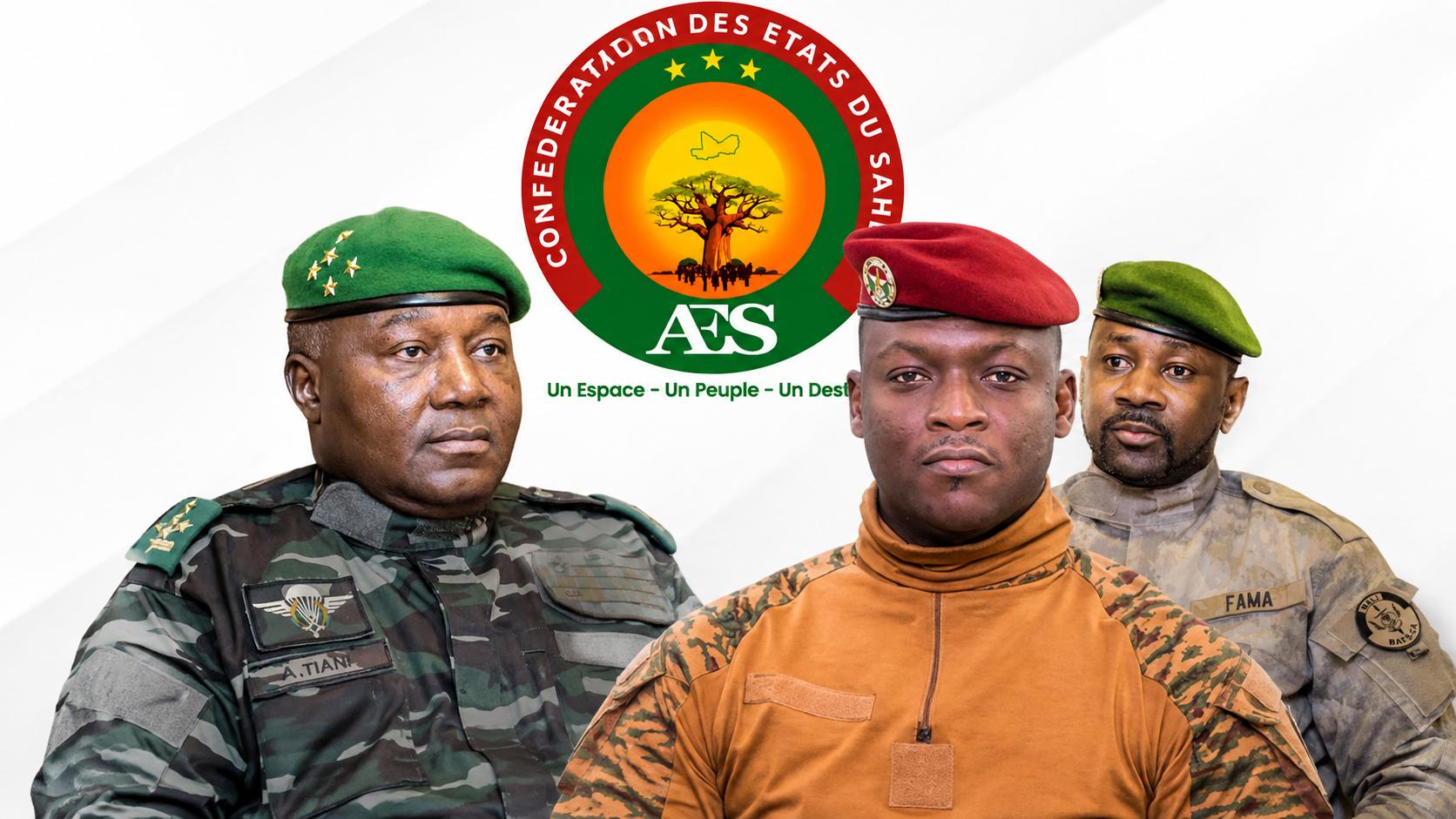
Sahel juntas face staggering costs of Russian military shift: autonomy or new dependence?
The military regimes in Mali, Burkina Faso, and Niger justified their 2021-2023 coups by vowing to end neocolonial ties with Western powers. Yet their pivot to Russian military support, through the Africa Corps, has introduced a new—and costly—form of dependency. What price are these juntas paying for their proclaimed sovereignty?
From anti-Western rhetoric to Russian reliance
The Alliance of Sahel States (AES) was founded on a bold promise: to break free from former colonial powers and reclaim national autonomy. The juntas in Bamako, Ouagadougou, and Niamey framed Western military presence as a hindrance, unable to contain the jihadist insurgency sweeping the region.
By late 2023, the AES formalized this shift with a collective defense charter, reinforcing the juntas’ domestic legitimacy. But beneath the anti-colonial rhetoric lies a harsh reality—one where sovereignty is traded for financial and operational dependence on Moscow.
Mali’s heavy burden: billions spent, little progress
Mali has borne the brunt of this transition. Since 2021, Bamako has allocated over $1 billion to the Africa Corps (formerly Wagner Group), averaging $10 million monthly. While Burkina Faso and Niger primarily receive training support, Malian forces rely on Russian mercenaries for frontline combat operations—a direct financial and strategic strain on the state.
Despite these expenditures, no major mining concessions have been formally granted to Russian entities, making Mali’s financial commitment uniquely burdensome. Analysts argue that this model prioritizes immediate security over long-term fiscal sustainability.
Security failures undermine the narrative
The Africa Corps, estimated at 1,000 to 1,500 personnel, has struggled to reverse jihadist advances. Reports indicate a resurgence of rebel control in key areas like Tessalit, Anéfis, and Aguelhok—regions abandoned by Malian forces in 2026. Urban centers remain under government control, but rural territories are slipping into insurgent hands, prompting calls for comprehensive political negotiations.
This deteriorating security landscape raises a critical question: Can external military support truly deliver sovereignty when local forces remain unable to assert control?
The paradox of ‘sovereign’ dependence
Experts warn that the AES’s reliance on Russian military backing risks transforming Sahel states into de facto protectorates. International Crisis Group distinguishes between two forms of sovereignty: the political freedom to reject Western influence, and the operational capacity to manage domestic security.
While the juntas have diversified their arms suppliers—turning to Turkey, Iran, and China—their outsourcing of combat operations to foreign forces creates a dangerous vulnerability. Historical parallels emerge with Cold War-era interventions in Angola and Ethiopia, where regimes collapsed once external support waned.
Is autonomy achievable without new patrons?
The future of the Sahel hinges on a stark choice: either develop a truly autonomous defense apparatus or replace one foreign dependency with another. The Africa Corps may offer temporary relief, but at what long-term cost?
As jihadist threats persist and financial strains mount, the juntas’ gamble on Russian support may ultimately undermine the very sovereignty they sought to reclaim.
