Sahel alliance challenges nigerian president’s security assessment
The Alliance of Sahel States (AES), comprising Burkina Faso, Mali, and Niger, has voiced profound disappointment following remarks by Nigerian President Bola Ahmed Tinubu concerning the interplay between insecurity in Nigeria and the broader Sahel region’s security landscape. The AES is actively encouraging Abuja to prioritize robust regional cooperation.
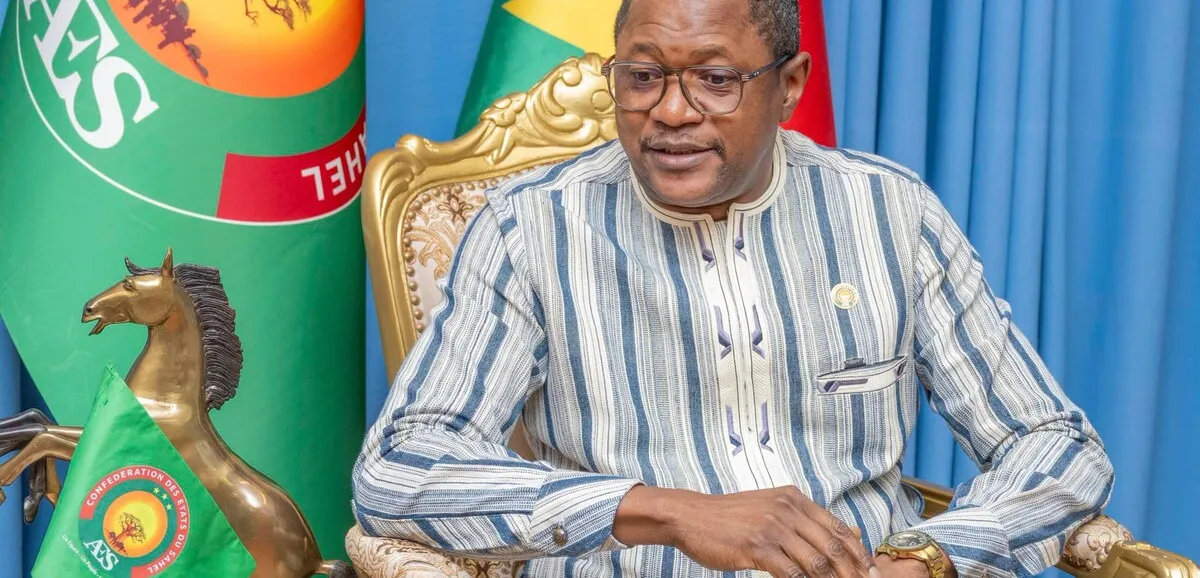
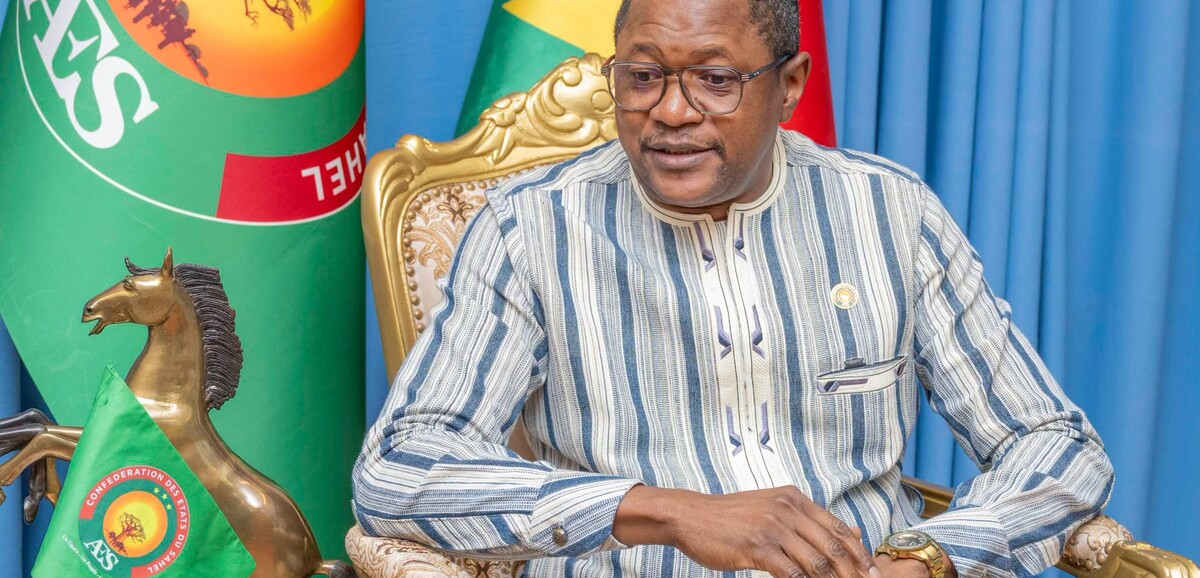
On July 30th in Abuja, the Nigerian president declared that persistent insecurity in Mali, Burkina Faso, and Niger “only exacerbates” Nigeria’s own challenges, particularly regarding militant attacks and kidnappings. These assertions prompted a unified response from the three member nations of the Alliance of Sahel States. In Ouagadougou, Karamoko Jean Marie Traoré, the Burkinabè Minister of Foreign Affairs, characterized this analysis as “hasty,” “simplistic,” and “surprising.” He argued that it failed to adequately acknowledge the significant sacrifices made by the defense forces and populations across Burkina Faso, Mali, and Niger in their ongoing struggle against various armed groups. This perspective is crucial for understanding current Mali politics and West Africa Mali news.
The AES further contends that such an interpretation risks fueling tensions between nations inherently linked by geography and shared historical ties. The Burkinabè minister specifically highlighted Niger’s vital role in combating Boko Haram, a threat the country faced well before the wider spread of jihadist insecurity throughout the Sahel region.
Confronting a shared adversary
Ouagadougou also underscored that the AES member states have intentionally refrained from publicly identifying Nigeria as responsible for certain cross-border threats, despite known connections between Boko Haram and various armed factions active in the region. “Burkina Faso, Mali, Niger, and Nigeria confront the same adversary,” Minister Karamoko Jean Marie Traoré firmly stated, advocating for a collective response. The AES reiterated its commitment to avoiding confrontation with Abuja, expressing a desire to maintain a “frank, respectful, and constructive” dialogue. The Nigerian chargé d’affaires in Burkina Faso confirmed that he had noted the message and pledged to transmit it to his country’s authorities, a development closely watched in Mali news circles.
This diplomatic exchange unfolds as Nigeria and the AES nations continue to grapple with complex transnational security threats, despite their increasingly divergent political and military strategies in the region.
