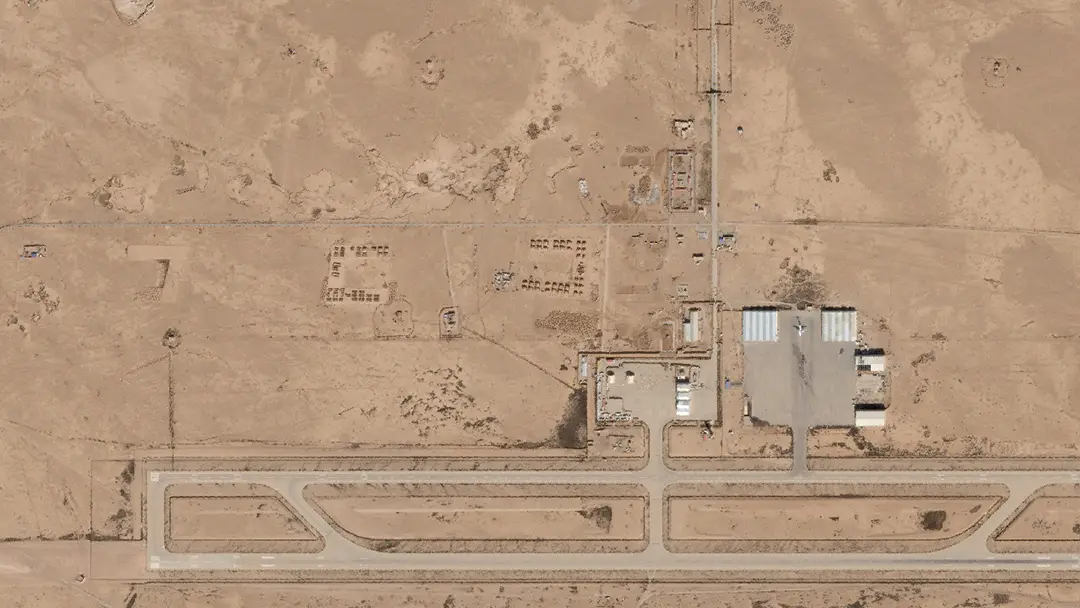
Russia’s growing military footprint in libyan air bases raises regional concerns
Recent military activities in six Libyan air bases reveal a deliberate expansion of Russia’s strategic presence across North Africa, involving arms transfers, mercenary deployments, and infrastructure development that fuel regional instability.
Russian military expansion in Libya: a closer look at six critical air bases
The Kremlin has significantly bolstered its military footprint in Libya by reviving and modernizing air bases in Al-Joufra, Al-Khadim, Al-Qardabiyah, Brak Al-Shati, Maaten al-Sarra, and Tamenhant. These facilities now serve as hubs for advanced weaponry, including air defense systems, MiG-29 fighter jets, and drones, alongside active Russian military personnel and mercenaries.
The Libyan bases provide Moscow with a critical logistical advantage, enabling direct arms shipments and troop movements to conflict zones across the Sahel and beyond. Reports indicate Russia is also investing in the port and air base of Tobruk, further solidifying its operational reach in the region.
From Syria to Libya: shifting military transit routes
Before the fall of Syria’s regime in late 2024, Moscow relied on Damascus as its primary transit hub for arms and personnel in the Middle East. With the loss of that strategic foothold, Russia pivoted to Libya, where it initially faced setbacks in securing port access but eventually gained a foothold deep within the country’s interior.
The restoration of Maaten al-Sarra, a long-abandoned base in southern Libya, exemplifies this shift. Strategically positioned near the borders of Chad and Sudan, the base has been transformed into a key staging ground for Russian destabilization efforts in the Sahel. After a decade of neglect, Russian forces—including Syrian mercenaries—were deployed in late 2024 to refurbish runways, storage facilities, and operational infrastructure.
Analysts warn that Maaten al-Sarra now enables Moscow to clandestinely supply arms to Sudan and Chad, bypassing international oversight. This clandestine network undermines regional security and complicates peace initiatives in conflict-ridden areas.
Al-khadim: a logistics and smuggling hub for regional conflicts
Located just 100 km east of Benghazi, Al-Khadim air base has become a central node for arms trafficking and resource smuggling. The facility has seen substantial upgrades, including the construction of three new hangars, recreational facilities, and possibly a communications tower, in addition to temporary housing and support buildings. Recent reports suggest a barracks was added in 2026, further increasing its operational capacity.
Investigative findings reveal that personnel linked to Gazprom, Russia’s state-owned energy giant, have used Al-Khadim as a transit point to Central African Republic-controlled mines, highlighting the intertwining of military and economic interests in Russia’s African strategy.
Geolocation data from social media has confirmed the presence of a Russian officer from the 102nd Motorized Rifle Division at Al-Khadim, underscoring the base’s role as a regular deployment site for Russian forces.
Al-joufra and al-qardabiyah: infrastructure upgrades and military buildup
Since 2019, Al-Joufra air base in central Libya has hosted Russian paramilitary forces. Recent upgrades include refurbished hangars, small buildings, barriers, and reinforced storage facilities, all aimed at enhancing operational readiness.
In Al-Qardabiyah, attached to the Syrte International Airport, Russian forces have significantly expanded infrastructure since 2022. New defensive perimeters, runway repairs, and a recently renovated hangar reflect Moscow’s commitment to maintaining a strong foothold in western Libya.
Brak al-shati and tamenhant: southern Libya as a military outpost
In Brak Al-Shati, located in southwestern Libya, Russian operations have intensified since March 2024. The base now features at least one new hangar and two additional structures likely used for aircraft maintenance, while personnel numbers have grown from 300 to 450 since late 2024.
Tamenhant air base, situated in southern Libya, has historically served as a launchpad for Wagner Group operations—now rebranded as the Africa Corps—supporting military campaigns and arms deliveries to Sudan. Ongoing expansion projects include new accommodations, a renovated connecting road between runways and hangars, and runway modifications to accommodate larger aircraft.
Regional implications: a threat to stability and peace efforts
Russia’s deepening military presence in Libya is not only complicating the already fragile unification process in Tripoli but also obstructing international efforts to expel foreign troops and mercenaries. The Kremlin’s support for foreign-backed factions exacerbates divisions, making sustainable peace agreements increasingly elusive.
Observers emphasize that these bases serve as critical enablers for Moscow’s broader strategy of projecting influence across Africa, particularly in the Sahel, where instability continues to escalate.
