Rising poultry prices in ati Chad strain families and traders
The soaring cost of poultry in Ati is placing immense pressure on households, traders, and poultry farmers, threatening both food security and the local economy. Residents are calling for urgent measures to bring prices back to affordable levels.
Market disruptions as prices double or triple
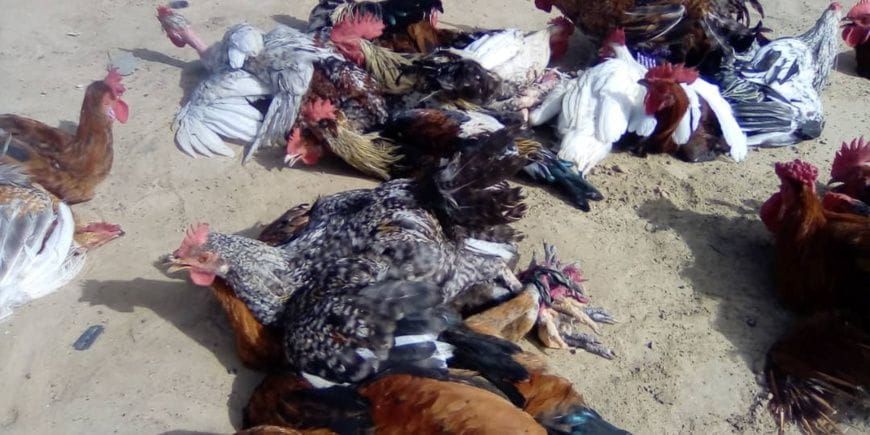
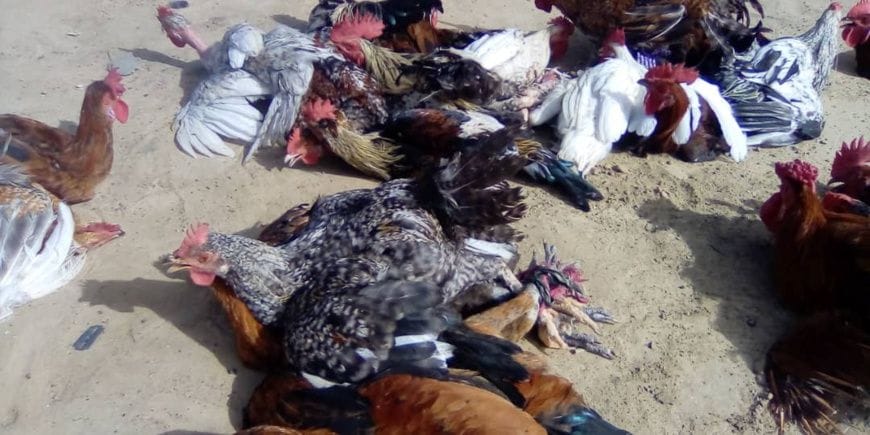
At the central market in Ati, once-bustling stalls now sit nearly empty. Customers linger in front of cages holding a handful of chickens and Guinea fowl, negotiating prices before walking away—often without making a purchase. Over the past few months, poultry prices have surged dramatically, upending the dietary habits of families and squeezing profit margins for those in the trade.
Traders report that what once cost between 6,000 and 8,000 FCFA now sells for 10,000 to 15,000 FCFA, depending on size and season. Smaller birds, once priced between 1,500 and 2,000 FCFA, now fetch 3,500 to 6,000 FCFA. Guinea fowl and roosters have followed the same upward trend, particularly ahead of religious festivals and family gatherings when demand peaks.
Families forced to cut back on protein
For many households, chicken is no longer a weekly staple. The price hike compounds existing financial strain, pushing families to prioritize cheaper, less nutritious alternatives. “We used to cook chicken for the kids every week,” says Amina Mahamat, a mother of five. “Now, it’s a rare treat. We’ve switched to beans and millet more often.”
The shift away from poultry isn’t just a matter of taste—it’s a blow to nutrition, as chicken remains a primary source of animal protein for countless families in the Batha region.
Traders struggle to keep businesses afloat
Rising prices haven’t translated to higher profits for sellers. Customers are buying less, and unsold stock piles up. “We raise prices, but sales drop. Some days, we close without a single sale,” explains Issa Hassan, a poultry vendor with over a decade of experience in Ati’s market.
Restaurants and street food vendors face a similar squeeze. To stay afloat, some have hiked meal prices or reduced portion sizes, risking a loss of clientele in an already strained economy.
Farmers grapple with rising production costs
While consumers lament high prices, poultry farmers highlight their own struggles. Feed, veterinary supplies, and transport costs have climbed steadily. Add to that the challenges of scarce grazing land, water shortages during dry seasons, and outbreaks of disease that devastate flocks. “Our expenses rise every month,” says Abakar Abdoulaye, a local farmer. “We have no choice but to charge more, but profits don’t follow.”
A ripple effect across the local economy
The impact extends beyond households and traders. Transporters, livestock feed suppliers, restaurateurs, and small shopkeepers are all feeling the squeeze. Some estimate poultry sales have dropped by 20 to 30% compared to the same period last year, though official figures are not yet available.
Economists warn that falling consumption weakens the entire supply chain, eroding household incomes and shrinking revenue for small businesses.
Calls for systemic support
Local leaders and industry stakeholders are urging authorities and development partners to intervene. Proposed solutions include:
- Subsidized poultry feed to lower production costs
- Strengthened veterinary services and vaccination campaigns
- Accessible financing for small-scale farmers
- Technical training to improve local poultry farming practices
These steps could help stabilize prices, boost supply, and safeguard food security in Batha.
A growing concern for public welfare
The poultry price surge in Ati reflects broader challenges faced by communities amid rising living costs. Without decisive action, the situation risks deepening household hardship and stalling local economic growth.
For now, families are adapting—some by switching to cheaper foods, others by cutting meal portions. But many agree: without intervention, the dream of a balanced diet will remain out of reach for too many.