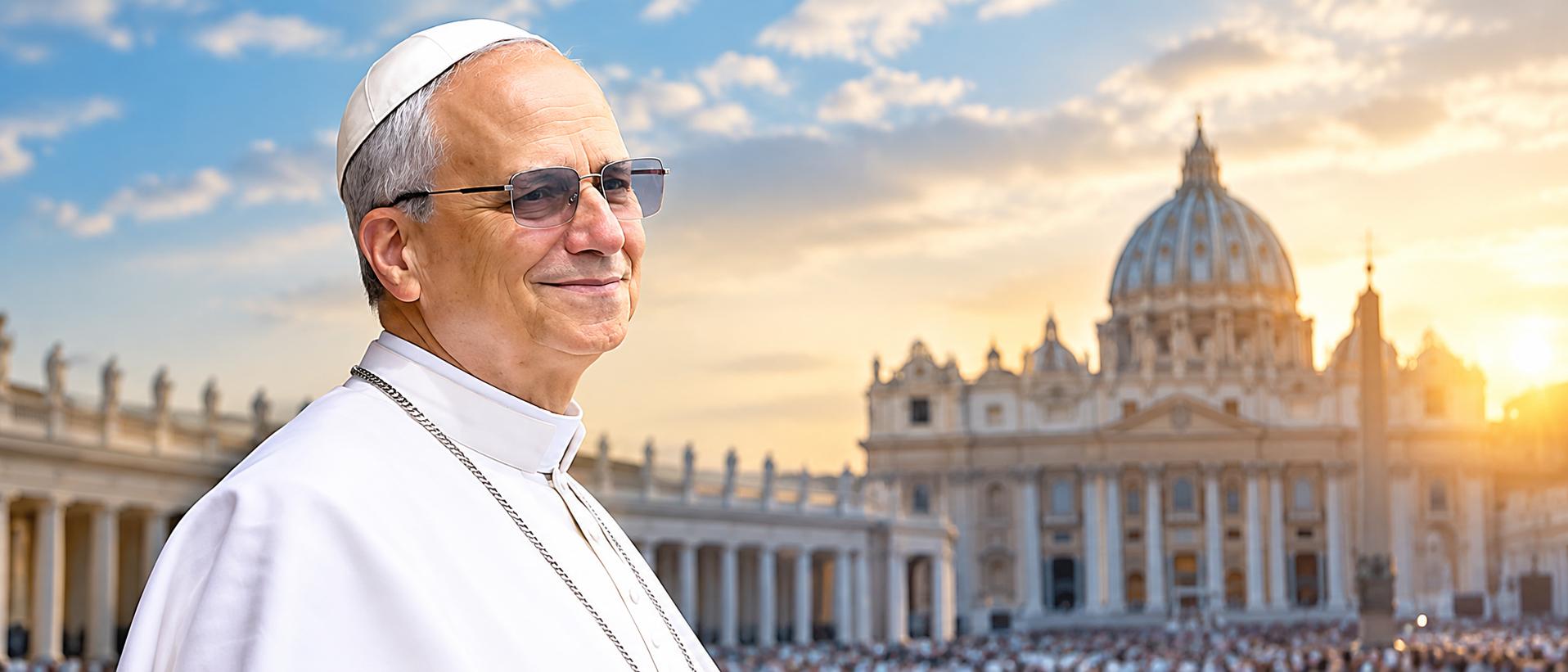
Pope leon xiv’s historic France tour: behind the scenes of a four-day mission shaping faith and diplomacy
The arrival of Pope Leo XIV in France this fall isn’t just a religious milestone—it’s a carefully choreographed diplomatic and spiritual event designed to echo across Europe. Behind every scheduled speech, prayer, and procession lies a strategy to bridge centuries of faith with the pressing questions of modern Europe. From the first toll of cathedral bells to the final vows exchanged in Metz, this four-day apostolic mission is more than a visit; it’s a statement.
Unpacking the papal itinerary: why Paris, Lourdes and Metz matter
The choice of destinations—Paris for politics and youth, Lourdes for pilgrimage and healing, and Metz for European unity—reflects a deliberate blend of symbolic weight and contemporary relevance. Each city wasn’t chosen at random; they represent pivotal nodes in a narrative Pope Leo XIV is weaving: one where faith speaks to diplomacy, tradition meets modernity, and every gesture carries geopolitical weight.
The Parisian stage: diplomacy, youth and cultural heritage
Paris serves as the opening act, where institutional protocol meets public engagement. The papal arrival at Orly on Friday, September 25, 2026, will be greeted by seven minutes of church bells across France—a rare simultaneous call to prayer that signals not just reverence, but a unified stand in faith. Within hours, Pope Leo will step into the heart of diplomacy at the Élysée Palace, followed by a keynote address at UNESCO that could redefine the intersection of values and global governance.
The evening unfolds in Saint-Denis at the Stade de France, where over 75,000 young people will gather under the stars. The presence of the Sainte Tunique d’Argenteuil—a rarely displayed relic—turns the event into a spiritual pilgrimage, blending modern youth culture with ancient devotion. The next day centers on outreach: a visit to the Bakhita House in the 18th arrondissement to meet with marginalized communities, a dialogue with the synod in Paris, and a monumental open-air mass from Place de la Concorde to the Champs-Élysées—a deliberate choice to reclaim public space for faith.
Lourdes: where prayer becomes a global heartbeat
By Saturday evening, the papal jet departs for Tarbes-Lourdes, a move that shifts the tone from policy to personal spirituality. Lourdes has long been a beacon for pilgrims seeking healing and hope. On Sunday, September 27, 2026, the sanctuary’s outdoor Prairie will host over 150,000 believers for mass, followed by a candlelit procession—a ritual that unites people across languages, cultures, and borders. Here, Pope Leo isn’t just a leader; he becomes a pilgrim among pilgrims, reinforcing the message that faith remains a universal language in a fragmented world.
Metz: the European pivot where history meets the future
The final chapter in Metz is the most overtly political. On Monday, September 28, 2026, the Pope will convene an ecumenical gathering centered on Europe’s spiritual foundations: peace, unity, and shared identity. Metz, with its medieval cathedral and cross-border history, is the perfect backdrop. The mass in the Gothic Saint-Étienne Cathedral will close the tour, but its resonance will travel far beyond France’s borders—especially to the corridors of the European Union, where questions of identity and solidarity are increasingly urgent.
The unspoken calculus: what’s driving this mission?
While the public sees rituals and symbolism, the behind-the-scenes reality involves careful timing and coordination. This visit coincides with rising secularization in Europe, growing political fragmentation, and renewed calls for moral leadership. By choosing France—a country with deep Catholic roots but also a secular constitution—Pope Leo signals a desire to engage, not retreat. The inclusion of interfaith dialogue and youth engagement reflects a strategic pivot: faith is not a relic, but a living force capable of shaping public life.
The choice to expose the Sainte Tunique d’Argenteuil in Paris and to emphasize healing in Lourdes underscores a narrative of mercy and inclusion. Meanwhile, the ecumenical meeting in Metz positions the papacy as a bridge-builder, not just within Christianity, but across Europe’s divided moral landscape.
Countdown to impact: what happens after the papal farewell?
While the Pope returns to Rome, the ripple effects of his visit will unfold in stages. Faith communities will draw energy and purpose from the journey, possibly fueling new vocations and charitable initiatives. Politically, the messages delivered at UNESCO and the Élysée may influence France’s stance on global ethics, particularly regarding migration, human dignity, and peacebuilding. Economically, the hospitality sector—hotels, transport, and local trade—will benefit from the influx of pilgrims and officials, with Lourdes likely the biggest winner.
But the most enduring impact may be intangible: a renewed sense of shared humanity. In a time when division feels like the default setting across Europe, Pope Leo’s four-day journey offers a counter-narrative—one where faith, history, and hope converge to remind us that unity, though fragile, is still possible.
