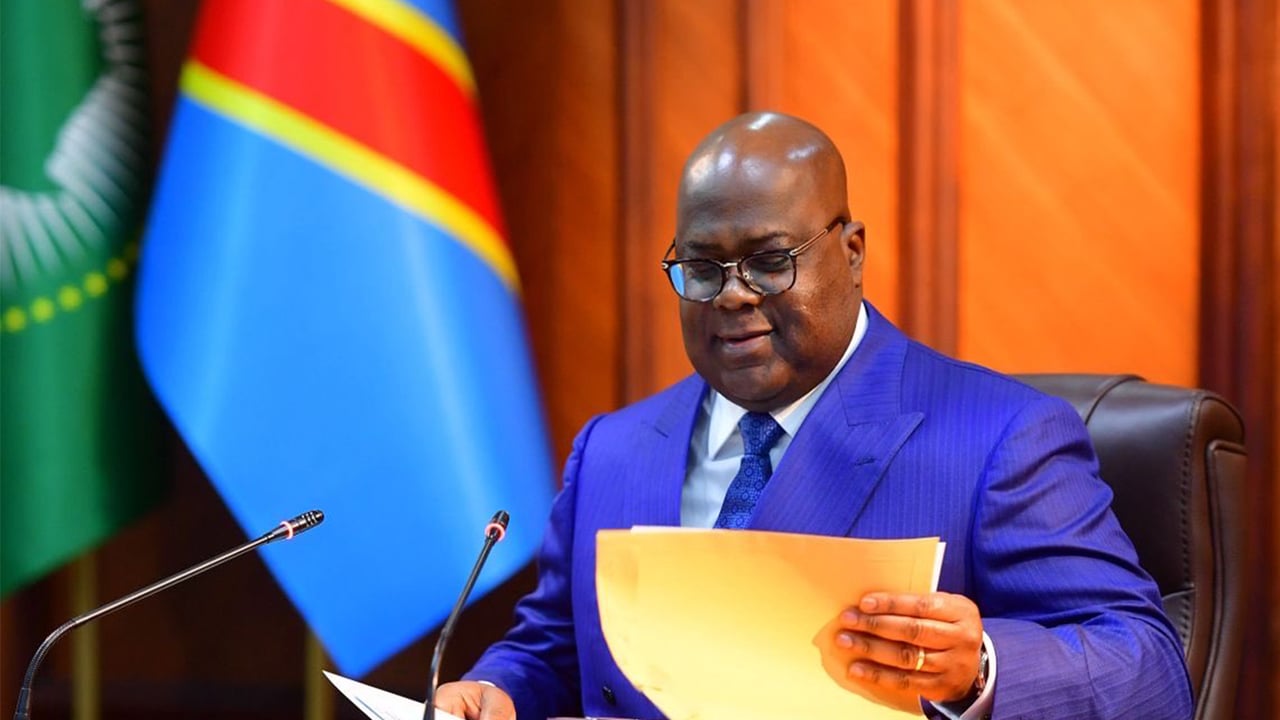
Political thaw in democratic republic of Congo ahead of national dialogue
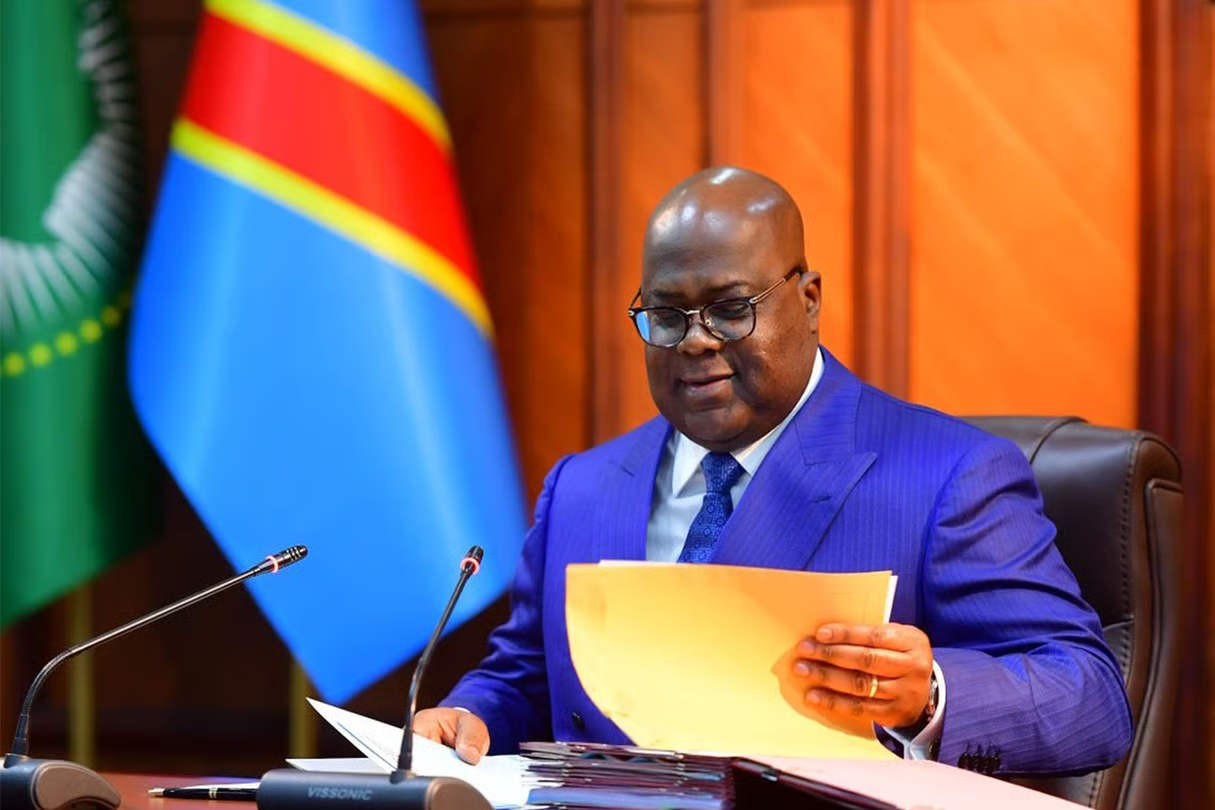
After months of political tension, the Democratic Republic of Congo is witnessing early signs of easing in its crisis. President Félix Tshisekedi has taken steps that suggest a willingness to engage in dialogue with opposition forces and civil society leaders.
Signs of easing tensions in Kinshasa
Recent weeks have seen a noticeable shift in the government’s approach. Official statements now emphasize the importance of inclusive discussions rather than confrontation. This change in tone appears to be a deliberate strategy to foster national cohesion ahead of upcoming political challenges.
Observers note that the president’s public appearances have become more conciliatory, with calls for unity resonating across the media landscape. While concrete actions remain limited, the rhetorical shift is being seen as a positive development by many analysts.
What to expect from the national dialogue
The anticipated national dialogue is expected to address several pressing issues. Key among them are electoral reforms, security concerns in eastern regions, and economic recovery plans. Political observers believe this forum could provide a platform for all stakeholders to voice their concerns and propose solutions.
However, skepticism persists regarding the depth of the government’s commitment. Some critics argue that previous attempts at dialogue failed to yield tangible results. The success of this initiative may hinge on whether opposition groups are genuinely included in the process or merely sidelined.
Potential outcomes and challenges
- Positive scenario: A successful dialogue could pave the way for constitutional amendments, improved governance, and stronger regional stability. It may also restore public trust in state institutions.
- Negative scenario: If the process is perceived as a government ploy to legitimize existing policies, tensions could escalate further. Opposition leaders have already warned against superficial engagement.
- Middle path: Even partial progress, such as the release of political prisoners or minor electoral adjustments, could be seen as a step forward by international partners.
International reactions and implications
The international community is closely monitoring the situation in the Democratic Republic of Congo. Diplomatic missions have expressed cautious optimism, urging all parties to seize this opportunity for meaningful engagement. The African Union and regional blocs like ECOWAS have reiterated their support for peaceful resolutions.
Economic partners, particularly mining investors, are also watching developments closely. Stability in the Democratic Republic of Congo is critical for the region’s mineral-rich economy, and any prolonged instability could deter foreign investment.
Next steps for stakeholders
For the dialogue to succeed, multiple actors must play constructive roles:
- Government: Must demonstrate genuine willingness to compromise and implement agreed-upon reforms.
- Opposition: Needs to participate actively while maintaining pressure for democratic accountability.
- Civil society: Should act as a bridge between conflicting parties and advocate for transparent processes.
- Media: Has a responsibility to report fairly and avoid sensationalism that could fuel further division.
The coming weeks will be decisive in determining whether the Democratic Republic of Congo can turn this moment of political thaw into lasting stability. The stakes are high, not just for the country’s future, but for the broader stability of Central Africa.
