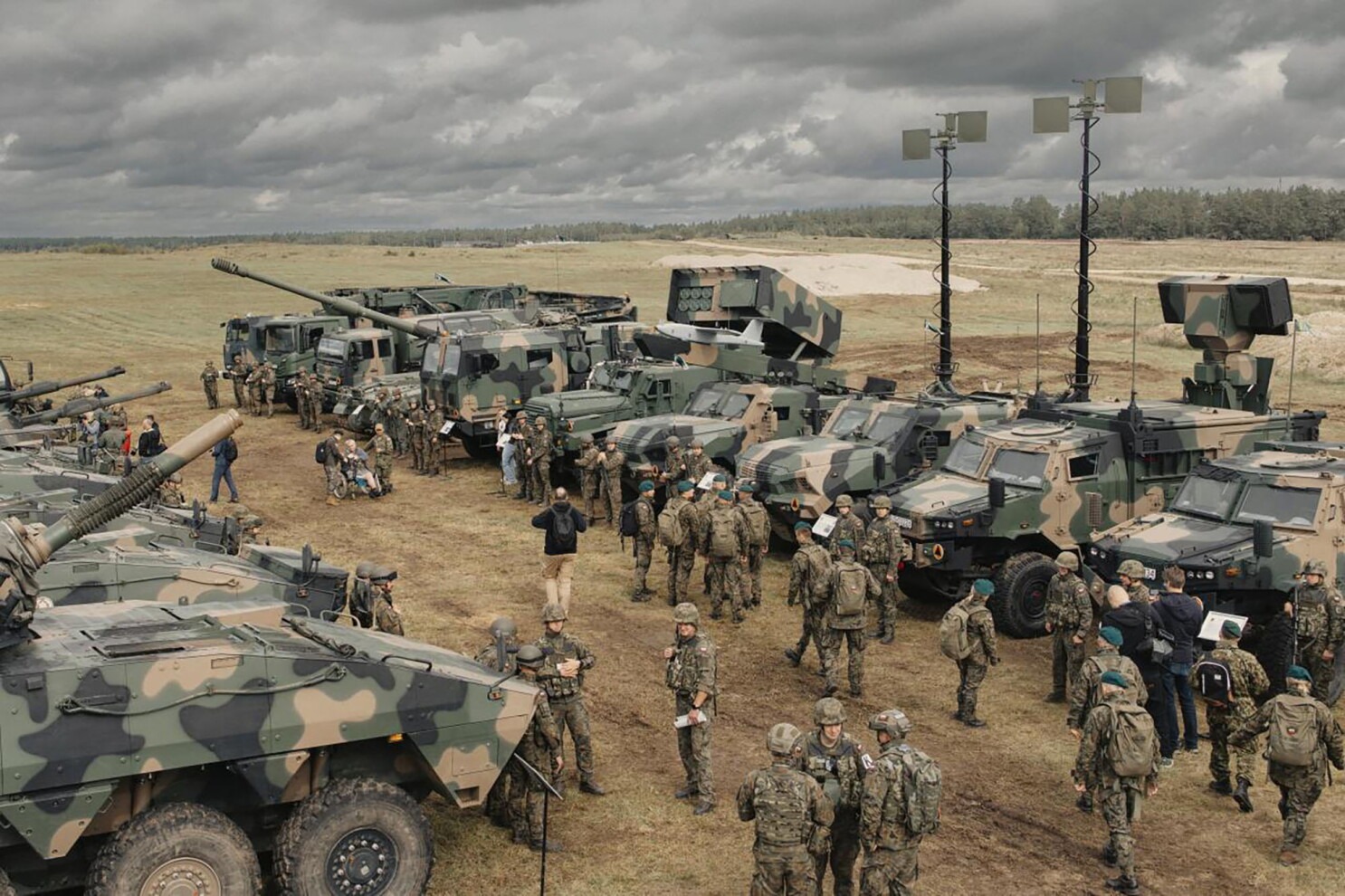
Poland ramps up baltic border security amid rising russian hybrid threats
Tensions escalate along Europe’s Baltic flank as Poland responds to intensified hybrid warfare tactics from Russia. The Polish government has launched a sweeping security operation along its northeastern border, adjacent to the heavily militarized Kaliningrad enclave, to counter a growing array of clandestine threats.
Unprecedented military and counterterrorism mobilization
What began as routine border surveillance has evolved into a multi-layered defense strategy involving elite forces and advanced surveillance systems. Polish authorities have deployed a coordinated network of border guards, national police, antiterrorism units, and regular army battalions to seal off the frontier. This integrated approach aims to:
- Block potential infiltration by Russian-trained sabotage cells or hybrid operatives;
- Protect critical infrastructure—energy grids, transportation hubs, and communication networks—from targeted disruptions.
The urgency is palpable. In recent months, unexplained drone overflights, incursions into sovereign airspace, and suspicious activities near key installations have surged, keeping regional governments on high alert.
NATO’s eastern shield strengthened by Warsaw’s decisive measures
Poland’s actions signal a clear stance: no tolerance for indirect aggression. By fortifying its border with Kaliningrad, Warsaw underscores the risks of Russia’s hybrid warfare playbook—migrant trafficking as a pressure tool, cyber harassment, psychological operations, and precision sabotage. The message to Moscow is unambiguous: Poland will not serve as a soft target.
While global focus remains on the war in Ukraine, the Baltic theater has emerged as a critical front in the broader confrontation between the West and Russia. Poland’s proactive stance—fusing military deterrence with rapid-response policing—illustrates a new era of active defense along NATO’s eastern frontier.
