Peering behind Berlin’s security push in Benin: what’s driving Germany’s West Africa pivot
Cotonou is preparing for a watershed moment in its strategic ties with Berlin. As militant groups from the Sahel spill instability toward Benin’s northern frontier, Germany has quietly recalibrated its engagement with the West African nation—not merely to stem the spillover, but to anchor a deeper partnership that intertwines security, governance, and economic growth.
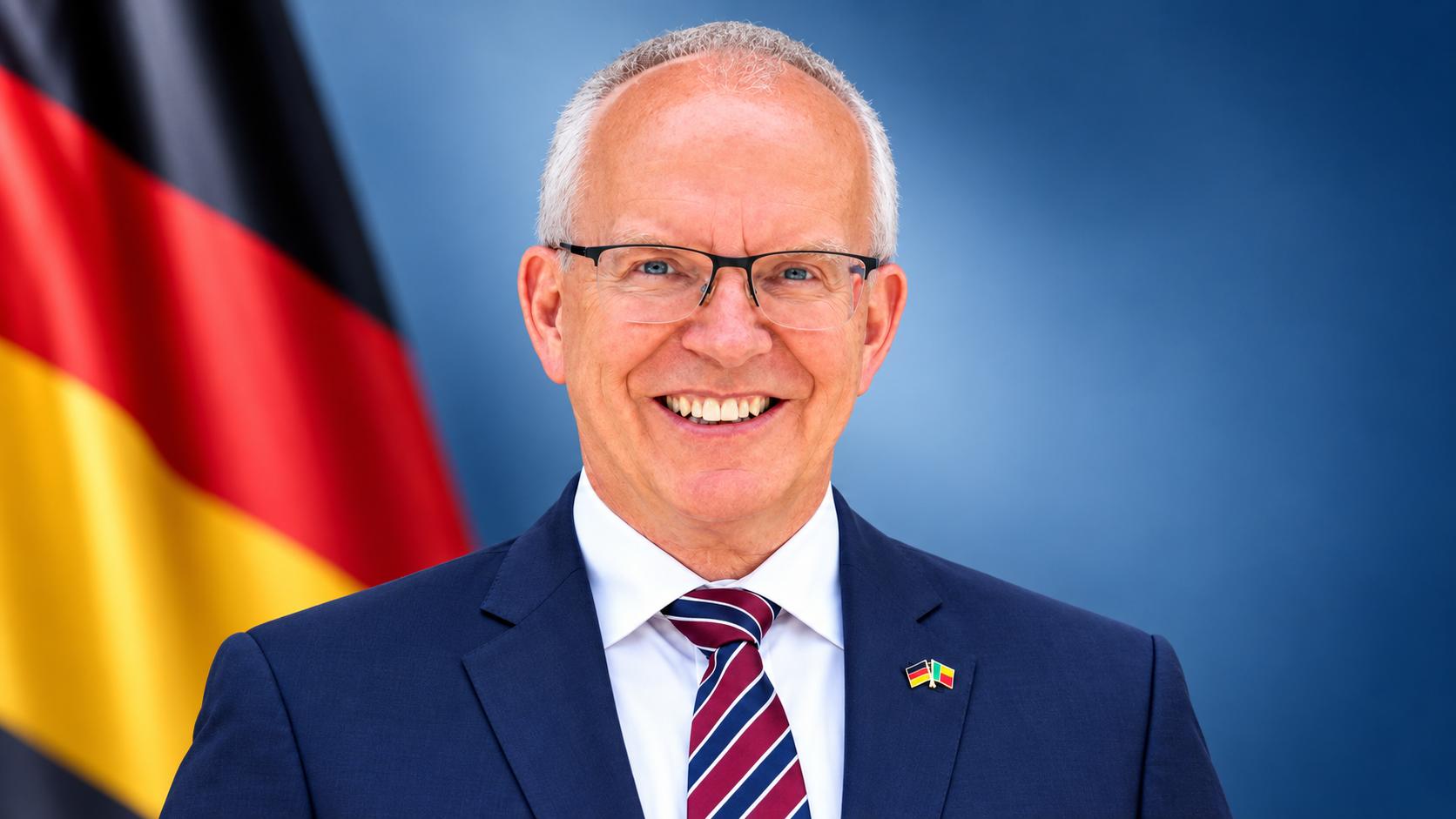
During the recent German Unity Day festivities in Cotonou, Ambassador Dr Stefan Buchwald laid bare the underlying calculus behind Berlin’s stepped-up cooperation: a long-term commitment to secure Benin’s borders while supercharging its development agenda. The impending bilateral security accord is not an ad-hoc response, but the formalisation of a strategic bet on a stable, prosperous Benin at the hinge of West Africa’s security architecture.
Why Berlin is betting big on Cotonou’s security transition
The push to finalise a new security framework reflects Germany’s appraisal that the challenges in Benin’s northern regions are no longer peripheral to European security. Cross-border incursions and the threat of violent extremism have inched closer to Cotonou’s economic heartland, compelling Berlin to move from dialogue to structured support.
- Institutional partnerships: Regular joint staff talks and intelligence-sharing protocols aim to align threat perceptions and operational responses.
- Capability building: The envisaged accord will underwrite expanded training, equipment supply, and logistical reinforcement for Benin’s defence and security forces.
- Legal clarity: A robust bilateral treaty will clarify mandates, funding streams, and accountability, ensuring that assistance is predictable and sustainable.
Ambassador Buchwald framed the initiative as “not a sprint, but a long-distance relay in which Germany accompanies Benin through every leg of the race.”
Three pillars shaping Benin’s socio-economic leap forward
Germany’s development cooperation is not confined to security alone. While the bilateral accord provides the backbone for stabilisation, Berlin’s engagement in Benin is anchored in three mutually reinforcing pillars.
1. Governance and local autonomy
Public finance reform and technical assistance to municipalities are designed to make local governments more responsive and transparent. The goal: reduce corruption risks and channel resources where they are most needed.
2. Skills for a dynamic private sector
Vocational training programmes are being retooled to match labour-market demands, targeting youth unemployment and skills gaps. Partnerships between German firms and Beninese training institutes are expected to catalyse job creation in high-growth sectors.
3. Sustainable stewardship of natural assets
Joint initiatives aim to conserve biodiversity hotspots and improve water-resource management, aligning with Germany’s climate diplomacy and Benin’s green growth strategy.
From development aid to private-sector momentum
Berlin is determined to shift from grant-dependent assistance to a model where private capital leads. The drawcards are clear: the Glo-Djigbé Industrial Zone and investor-friendly reforms administered by the Investment and Export Promotion Agency (APIEx).
German companies are being courted to set up shop in Benin, leveraging the preferential access granted under the Economic Partnership Agreement between the European Union and West African states. Ambassador Buchwald has also signalled Berlin’s readiness to support a future reopening of Benin’s embassy in Germany—a move meant to lubricate trade, investment, and policy dialogue.
What comes next: milestones on the roadmap
The security accord is in its final drafting phase, with signature anticipated within the next quarter. Parallel tracks include:
- Rapid disbursement of defence-capability packages earmarked for border protection.
- Kick-off of a joint governance assessment mission to identify priority reforms in regional administrations.
- First cohort of Beninese trainees scheduled to begin a six-month vocational programme in German polytechnics during the first half of next year.
Together, these steps position Benin as a strategic gateway through which Germany can project stability, trade, and technological collaboration across West Africa—provided both sides maintain the momentum.
Benin’s balancing act: sovereignty vs strategic partnership
For observers, the evolving partnership raises a delicate question: can Cotonou deepen ties with Berlin without compromising its non-aligned posture or inviting unwanted external scrutiny? Ambassadors and analysts in Cotonou argue that the new accord is framed as a “cooperative security compact,” not a military alliance, and that every tranche of support is explicitly tied to Benin-led priorities.
The underlying insight is that Germany’s engagement is as much about securing Benin’s stability as it is about securing Germany’s future interests in a volatile neighbourhood—a convergence that could redefine both countries’ roles in West Africa’s unfolding security and economic landscape.
