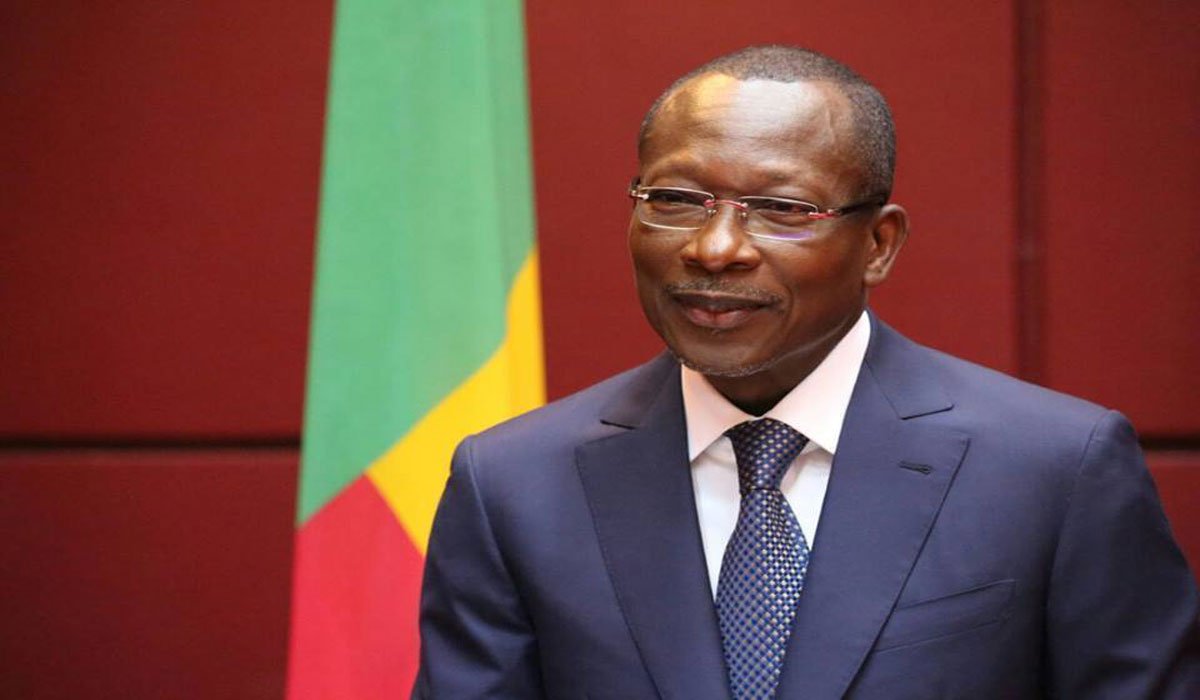
Patrice Talon’s senate presidency: a new chapter in beninese politics
On Thursday, August 6, 2026, Benin’s political landscape witnessed a historic shift. Delegates convened at the Governors’ Palace in Porto-Novo elected former President Patrice Talon to lead the nation’s newly established Senate, marking the inauguration of a bicameral parliamentary system.
Having steered the country’s executive branch for a decade (2016–2026), Talon’s leadership under the banner of the “New Dawn” agenda defies the conventional narrative that departing the presidency equates to political retirement or forced exile in West Africa.
Returning to institutional prominence
Talon’s overwhelming election to the Senate presidency underscores the culmination of constitutional reforms that reshaped Benin’s governance framework.
- Stabilizing governance: The 25-member Senate, which includes former heads of state as ex-officio members, was designed to serve as a stabilizing force and guardian of national unity.
- Advisory and deliberative role: By assuming leadership of the chamber’s permanent bureau, Talon retains significant political leverage, positioning himself as a moderating influence in the nation’s democratic processes alongside the National Assembly and his successor.
Can leadership persist beyond the presidency?
Across Africa, political transitions often oscillate between contentious third-term bids and abrupt exits from public life. Patrice Talon’s trajectory offers a contrasting model:
- Upholding constitutional boundaries: His voluntary departure after two terms cemented Benin’s tradition of peaceful leadership turnover.
- Legislative reinvention: Rather than pursuing diplomatic portfolios or private ventures, he chose to institutionalize his influence by presiding over the upper house of parliament.
- Statesman as arbiter: Positioned among esteemed peers, Talon now channels his presidential experience into shaping national stability and policy reforms as an elder statesman.
Key takeaways from Talon’s Senate leadership
Patrice Talon’s election to the Senate presidency on August 6, 2026, signals a pivotal moment for African governance: the affirmation that former presidents can continue contributing at the highest levels while respecting the transfer of executive authority. This evolution in institutional maturity warrants close observation across the region.
