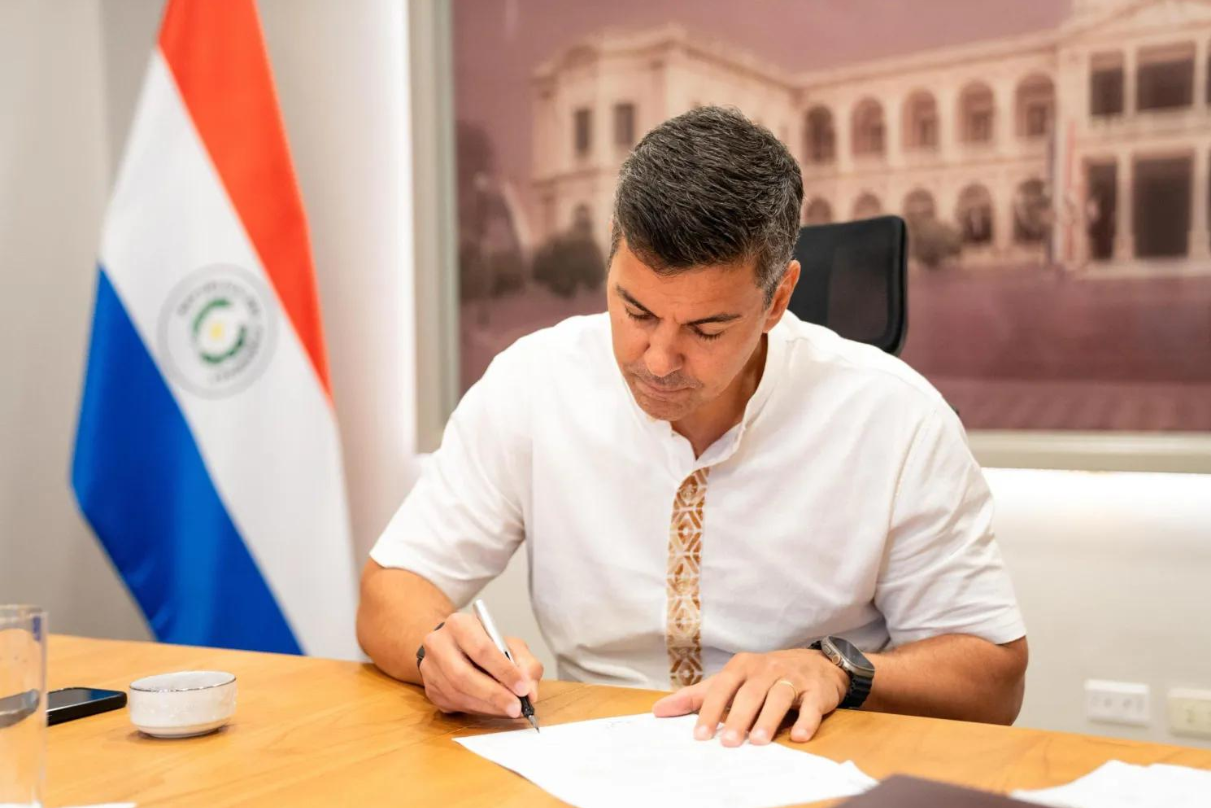
Paraguay’s president steps down amid Ueno Bank scandal and political fallout
Breaking: Paraguay’s president resigns as Ueno Bank meltdown sparks national crisis
Asunción, November 5, 2026 — Facing a crippling banking collapse, mass public outrage, and an escalating impeachment threat, Paraguayan President Santiago Peña announced his resignation today. The dramatic exit plunges the nation into uncharted political and economic turmoil as millions of depositors remain locked out of their funds.
In a televised address broadcast nationwide, President Peña confirmed he had submitted his resignation to preserve national stability, social peace, and democratic institutions. « I have decided to step down as president of the Republic, » he stated, mere hours before lawmakers were set to vote on his impeachment.
The collapse of Ueno Bank: from financial crisis to political earthquake
The catastrophe began when Paraguay’s central bank intervened to shut down Ueno Bank, a major financial institution that once served nearly three million of the country’s six million residents. Regulators cited a critical solvency crisis, with the bank’s capital ratio plunging below the legally required 50%, rendering it unable to meet withdrawal demands.
Despite claims of a mere banking failure, the crisis rapidly metastasized into a full-blown political disaster. Ueno Bank not only held private deposits—it also managed critical public funds, including social security and pension accounts totaling hundreds of millions of dollars. When its operations were frozen, panic spread across Asunción and beyond.
The closure left depositors, retirees, and wage earners unable to access their life savings or pay essential bills. Public anger erupted into mass protests, with citizens denouncing what they see as a systemic failure to protect their financial future.
Conflicts of interest at the heart of the scandal
The opposition has seized on long-standing ties between President Peña and the business group that once controlled Ueno Bank. Although he sold his shares in 2025, questions persist about potential conflicts of interest and whether public policies were influenced by private economic interests.
The president has repeatedly denied any wrongdoing, but the controversy has intensified scrutiny of his administration’s oversight of the banking sector. The crisis also led to the resignation of Carlos Carvallo, head of the central bank and former executive at Ueno Bank—further eroding public trust in financial regulators.
Impeachment proceedings seal the president’s fate
Political pressure reached a boiling point Wednesday and Thursday as opposition lawmakers filed impeachment charges against President Peña and Vice President Pedro Alliana. The move was compounded by a wave of defections within the governing Colorado Party, stripping the president of crucial political support.
On Thursday, the Chamber of Deputies voted to impeach Santiago Peña just minutes after he announced his resignation. The Senate is expected to begin formal proceedings shortly, though the president’s departure may render the process moot.
What comes next: Alliana inherits a nation in crisis
The vice president is now set to assume the presidency, inheriting a nation facing multiple emergencies: restoring banking stability, securing depositor payouts, protecting public funds, and investigating the collapse of Ueno Bank.
Government officials have pledged accelerated refunds and launched judicial inquiries targeting former Ueno executives. Yet the deeper question remains: how could a country long praised for economic stability and investor confidence face such a catastrophic institutional failure?
Legacy of a presidency cut short by scandal
For Santiago Peña, his sudden resignation marks the ignominious end of a presidency overshadowed by financial disaster. For Paraguay, it signals a perilous period ahead—one where restoring public trust may prove as vital as stabilizing the economy.
The repercussions of this crisis are likely to reshape the nation’s political landscape for years to come.
