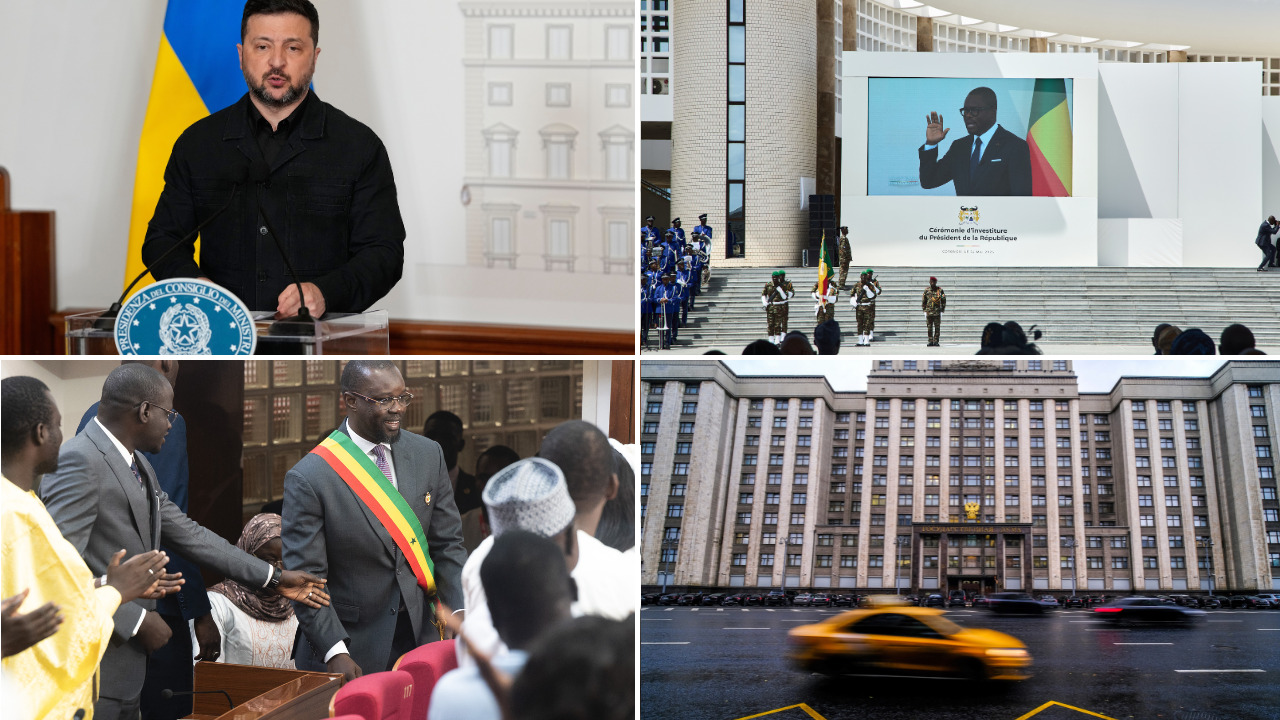
Ousmane sonko’s new leadership role at Senegal’s national assembly
Just four days after stepping down from the Prime Minister’s office, Ousmane Sonko has been elected President of Senegal’s National Assembly. In his inaugural address, he immediately signalled his intention to leave a significant mark, declaring, « The National Assembly will not be a mere rubber stamp. » The former Prime Minister reaffirmed his commitment to exercising rigorous oversight over governmental actions, while simultaneously emphasizing the critical need to preserve institutional stability.
What specific powers does this new position truly grant Ousmane Sonko? And how will this unprecedented cohabitation at the pinnacle of the state unfold?
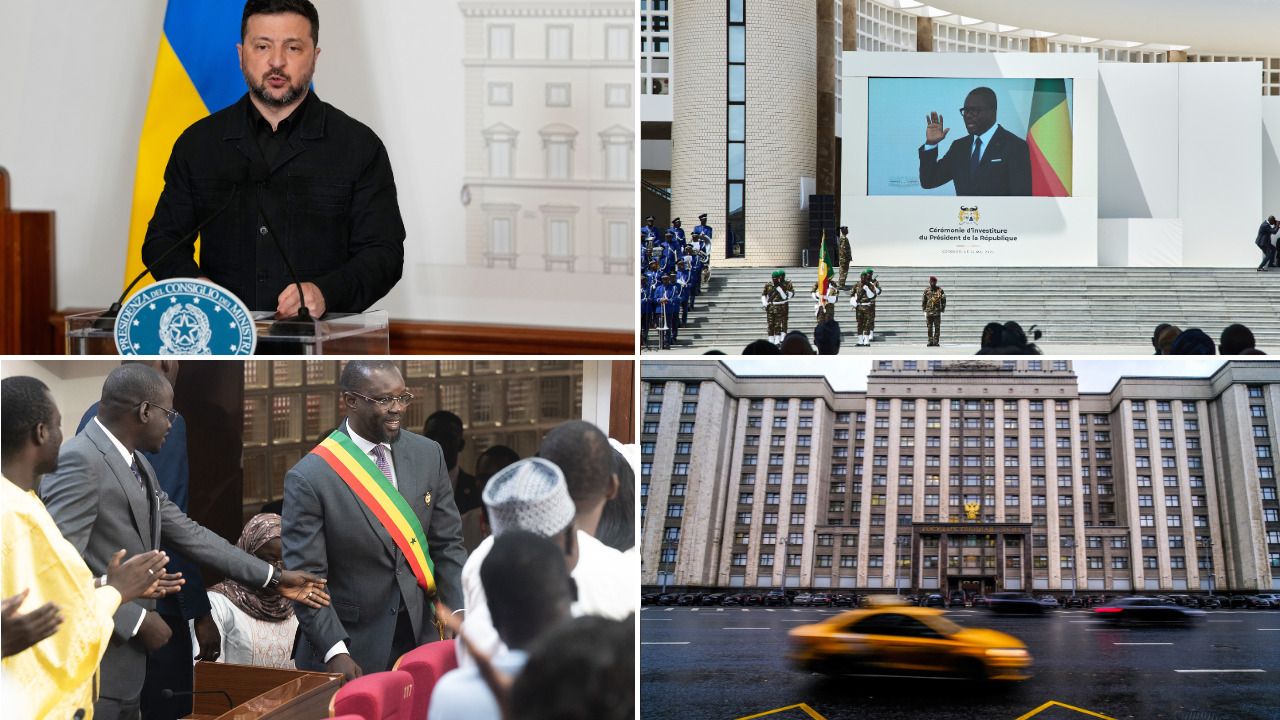
Senegal’s national assembly: a new platform for sonko’s influence
Ousmane Sonko’s election to lead the National Assembly marks a pivotal moment in his political journey. This new role places him in a highly strategic position at the core of Senegalese institutions. How does this particular function diverge from his previous capacity as Prime Minister? What are the specific prerogatives that empower him to influence national decision-making?
Sonko, now at the helm of the Assembly, commands significantly enhanced parliamentary control. He possesses the authority to scrutinize the government, introduce legislative proposals, and shape the course of legislative debates. His initial speech underscored his resolve to avoid a passive role, stating, « We will ensure that every governmental decision is examined with utmost rigor. »
Unprecedented political dynamics at Senegal’s highest level
This swift transition from the Primature to the presidency of the National Assembly creates a unique political landscape in Senegal. How will Ousmane Sonko navigate this new dynamic with the executive branch? What potential challenges might this novel arrangement pose for the nation’s institutional stability?
Political observers are keenly watching Sonko’s ability to balance his role as a governmental watchdog with his stated ambition to safeguard the nation’s institutions. His investiture speech suggested a willingness for dialogue, yet also conveyed a firm stance: « Stability must not equate to complacency. » This assertive posture could fundamentally redefine the existing balance of power within the Senegalese government.
One certainty remains: Ousmane Sonko, now leading the National Assembly, is poised to make a significant impact on the country’s political narrative.
