
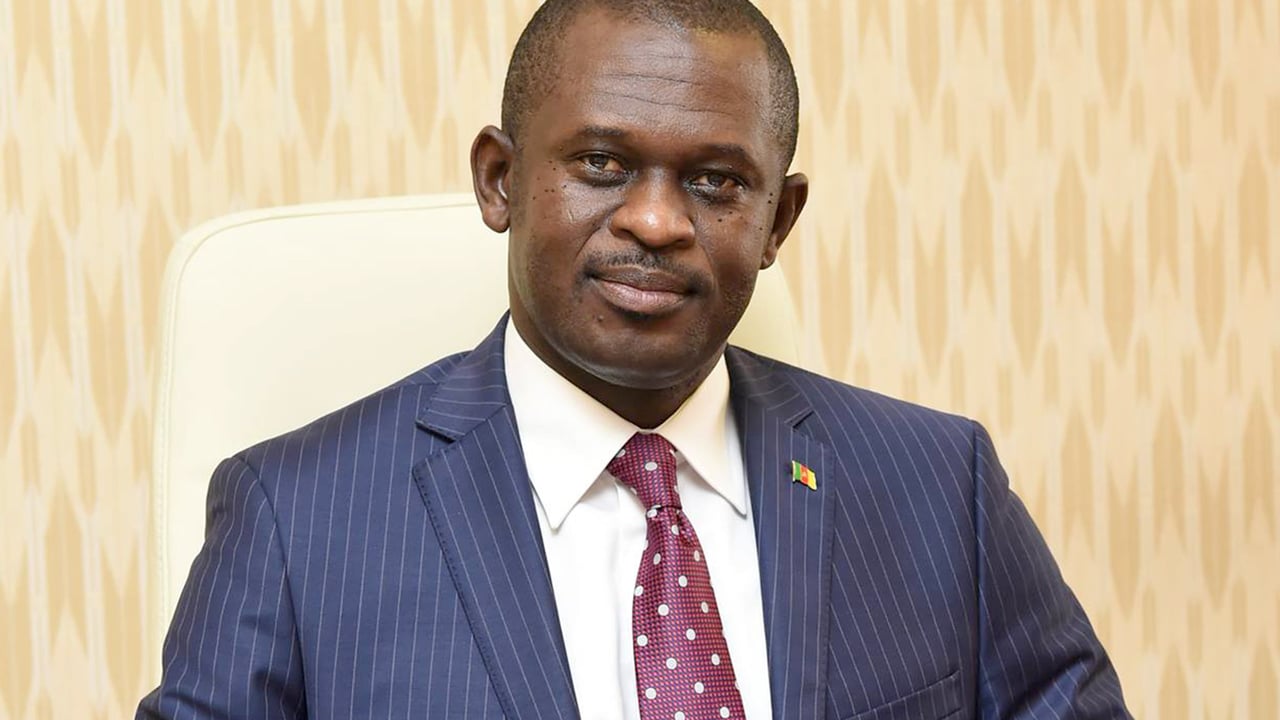

Who is Oswald Baboke and why does he matter in Cameroon?
In Cameroon’s political circles, few names carry as much weight as Oswald Baboke. As deputy chief of staff to President Paul Biya, he plays a pivotal role in shaping the country’s leadership dynamics. His influence extends beyond administration—he is often seen as the connector between Cameroon’s head of state and key decision-makers across the nation.
Whether in times of policy shifts or behind-the-scenes negotiations, Baboke’s presence is felt. His ability to navigate both domestic and international pressures has made him an indispensable figure in Cameroon’s governance.
10 key facts about Oswald Baboke
- Diplomatic roots: Born into a family with deep ties to Cameroon’s diplomatic service, Baboke grew up understanding the nuances of statecraft. His early exposure to international relations laid the foundation for his career trajectory.
- Academic excellence: He holds advanced degrees in political science and public administration, specializing in African governance and leadership.
- Early career milestones: Before joining the presidential team, Baboke served in senior roles within Cameroon’s Ministry of Foreign Affairs, where he honed his expertise in international policy.
- Close ties to the presidency: Appointed as deputy chief of staff, he has been a trusted advisor to President Biya for over a decade, earning a reputation for discretion and strategic insight.
- Master of discretion: Known for his low public profile, Baboke rarely speaks to the media, yet his opinions carry significant weight in closed-door discussions.
- Economic policy influence: He has been instrumental in shaping Cameroon’s economic strategies, particularly in sectors like energy and infrastructure development.
- International engagements: Baboke frequently represents Cameroon at high-level forums, acting as a bridge between domestic priorities and global expectations.
- Family ties to power: His relationship with Chantal Biya, the President’s wife, has been a topic of speculation, though both have maintained a private stance on such matters.
- Networking powerhouse: His connections span government, business, and civil society, making him a central figure in Cameroon’s power structure.
- Legacy and future: As Cameroon navigates evolving political landscapes, Baboke’s role remains crucial. Observers suggest his influence may grow as the country prepares for key transitions.
Why Oswald Baboke’s role is critical in Cameroon today
In a nation where leadership transitions and policy shifts often spark debate, Baboke’s steady presence offers stability. His ability to balance competing interests—whether within government, the private sector, or international partners—positions him as a key architect of Cameroon’s future.
While he avoids the spotlight, those who work closely with him describe him as calm under pressure and relentlessly strategic. These traits have cemented his place as one of Cameroon’s most influential yet enigmatic figures.
What’s next for Oswald Baboke?
With Cameroon’s political landscape in flux, all eyes are on Baboke. Will he continue shaping policies from behind the scenes, or will his profile rise further in the coming years? One thing is certain: as long as President Biya remains in power, Baboke’s role will remain central to the nation’s trajectory.