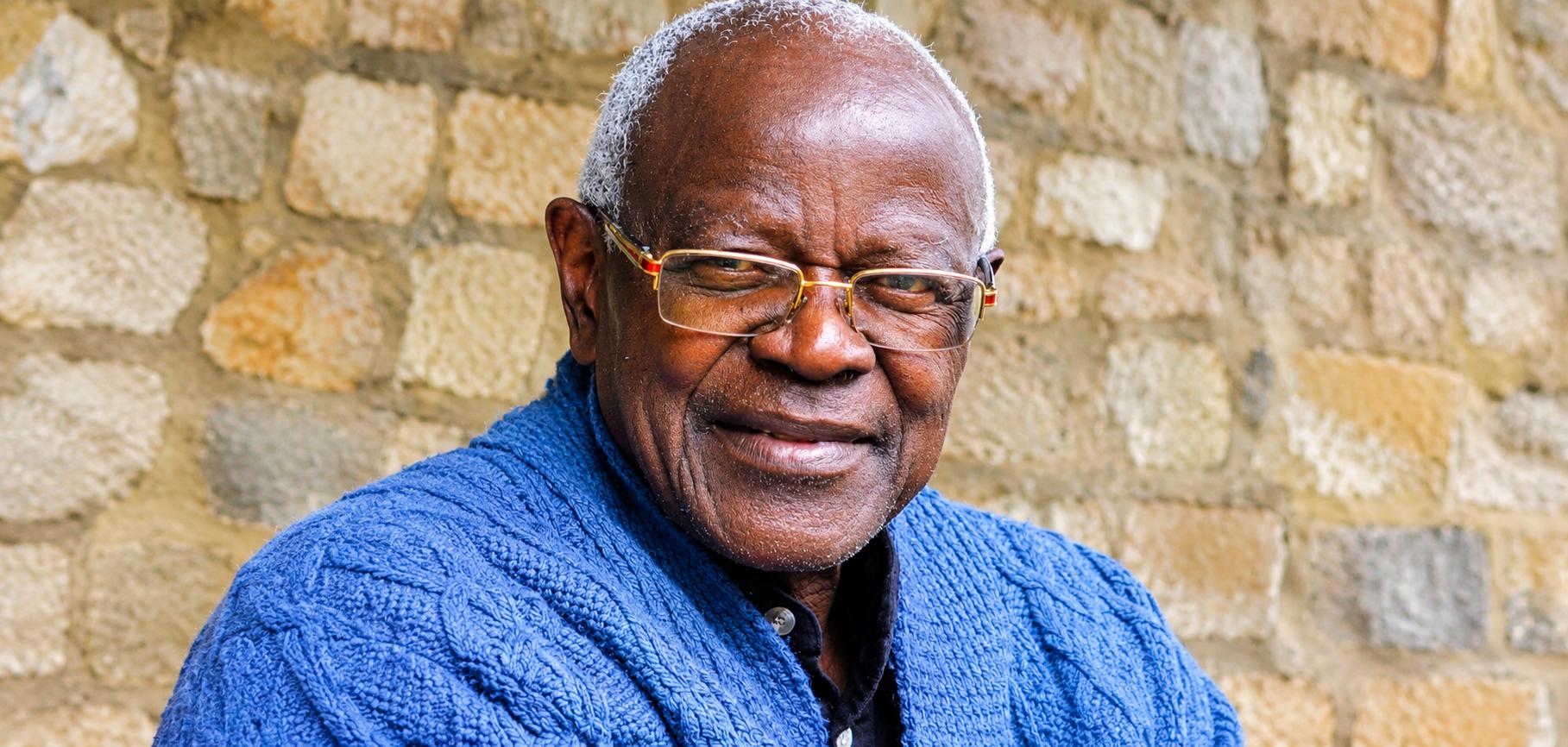
Olympe Bhêly-Quenum at 100: the hidden forces shaping a century of African literature
From Vodoun roots to literary immortality: the making of a century
Across the African literary landscape, a milestone of rare magnitude has quietly unfolded. Olympe Bhêly-Quenum, born on 20 September 1926 in Ouidah, Benin, has reached the extraordinary milestone of 100 years — a century that reshaped how francophone Africa records its stories, struggles, and spiritual heritage. Few writers bridge tradition and modernity as seamlessly as he has, embedding the sacred rhythms of the Vodoun cosmos into novels that still pulse with contemporary relevance.
An upbringing steeped in Vodoun, royal memory and cultural resistance
Born in Gléxwé, a village within Ouidah — the spiritual heartland of Benin and the cradle of the Vodoun faith — Bhêly-Quenum grew up in a world where the sacred and the political were inseparable. His mother, a revered Great Priestess of Vodoun, and his noble lineage tied to the Dahomey kingdom, shaped an early consciousness of heritage as both inheritance and act of defiance. These roots did not merely inspire his writing; they armed him with a vision: literature as archive, as ritual, and as resistance to colonial erasure.
In interviews recalling his youth, he often described the lake Nokoué not as a setting, but as a living witness — a mirror to the tensions between ancestral wisdom and the false promises of progress. That duality would become the emotional core of his fiction: a space where myth and modernity collide, and where the African voice reclaims its own narrative.
The birth of a literary revolution behind the pages
After secondary schooling in Benin and higher studies in France, Bhêl y-Quenum returned to West Africa with a mission: to write Africa as Africa saw itself, not as others had caricatured it. His debut novel, Un piège sans fin (1960), arrived at a moment when African literature was beginning to assert its independence. The novel, a stark meditation on fate and human dignity, was soon adopted as a canonical text in secondary schools and universities across the continent. Teachers used its pages not only to teach French, but to ground students in the philosophical weight of Black existence.
Five years later, Le Chant du lac (1965) cemented his reputation. Awarded the Grand Prix Littéraire d’Afrique Noire in 1966, the novel wove together ecology, memory, and spiritual survival around the lake where Vodoun rituals meet the tidal rhythm of modernity. Critics hailed it as a turning point: a work that dared to treat Africa’s soul as a subject of literature, not its object.
Nearly three decades later, La Naissance d’Abikou (1998) plunged into the mythic depths of the Yoruba and Fon cosmogonies, giving voice to Abikou — the child-spirit whose presence embodies both blessing and warning. The novel became a bridge between past and future, showing how myth lives not in archives, but in living memory.
The journalist as architect: building bridges between Africa and the world
Bhêly-Quenum’s influence extended far beyond the page. As editor-in-chief of La Vie Africaine and founder of L’Afrique Actuelle, he carved a space that was neither purely local nor purely diasporic, but authentically African. In an era when global media often reduced the continent to stereotypes, his publications cultivated a pan-African intellectual network. Through essays, interviews, and editorials, he relentlessly argued for the revaluation of African cultural heritage — not as folklore, but as living philosophy with universal resonance.
He became a quiet diplomat of ideas. When African writers struggled to gain attention in Paris or London, his magazines acted as ambassadors, translating African thought into forms that Parisian critics could — and eventually did — no longer ignore. His work helped lay the foundation for what would later become the “African canon” in francophone letters.
A legacy that refuses to retire
As Benin celebrates its literary patriarch at 100, one truth emerges: Bhêly-Quenum’s genius lies not only in what he wrote, but in how he lived writing. He taught generations of writers — and not just in Benin — that literature is not a luxury, but a necessity. His books remain studied in classrooms from Cotonou to Dakar, from Libreville to Paris, proving that a single lifetime can, indeed, anchor a century of defiance, creativity, and cultural pride.
The man who once stood between Vodoun altars and university podiums now stands as a living link between past and future. His words, once whispered in sacred groves, now echo in digital archives and syllabi. And across Benin and beyond, young writers still read his novels not only to learn to write, but to remember: to write Africa as Africa truly is.
The roots of a centenarian legacy
- Sacred origins: Raised in a Vodoun priestess’s household, Bhêly-Quenum transformed spiritual inheritance into literary innovation.
- First breakthrough: Un piège sans fin (1960) launched a career that would redefine African realism.
- Award-winning depth: Le Chant du lac (1965) earned the Grand Prix Littéraire d’Afrique Noire — a rare accolade for a debut novelist.
- Mythic return: La Naissance d’Abikou (1998) revived ancestral storytelling for modern readers.
- Cultural diplomacy: Through La Vie Africaine and L’Afrique Actuelle, he built intellectual bridges across francophone Africa and Europe.
