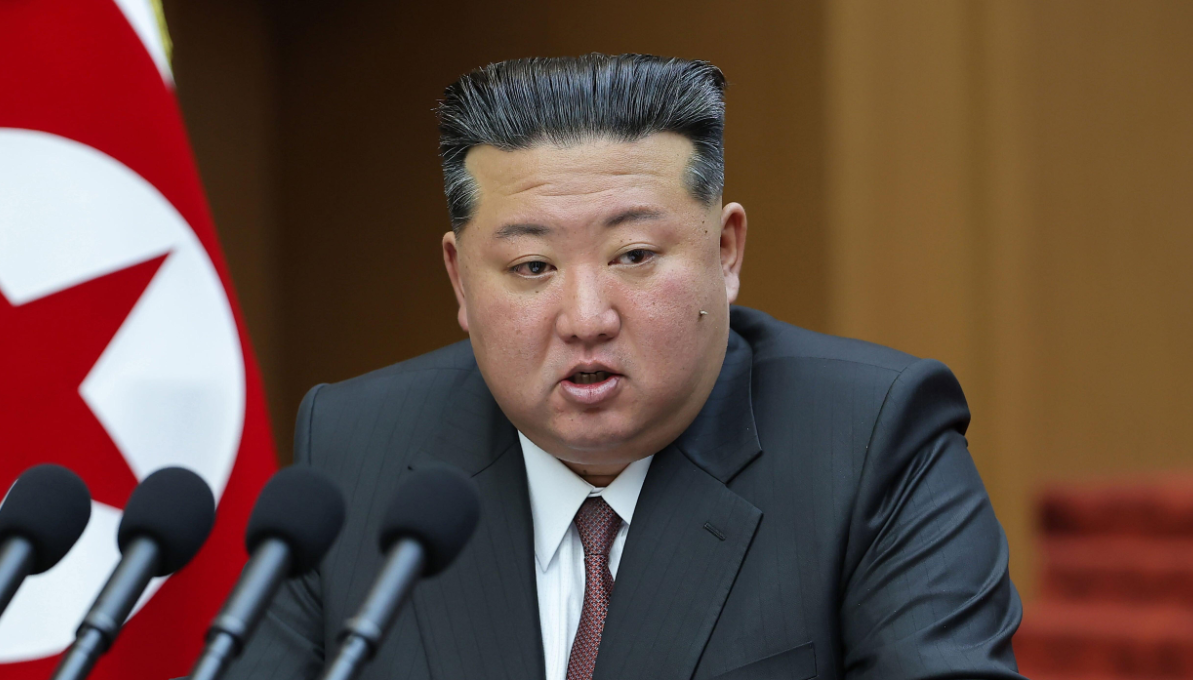
North Korean leader Kim Jong-un in critical condition: unverified reports emerge of cerebral hemorrhage and coma
Unverified reports suggest Kim Jong-un suffers cerebral hemorrhage and enters coma
Unverified reports claim North Korean supreme leader Kim Jong-un has suffered a severe cerebral hemorrhage and been rushed to a medical facility in China. The claims, which originated from social media posts and have since spread globally, remain unconfirmed by any official source. While these reports have gained traction, no concrete evidence has emerged to substantiate the alleged medical emergency.
Social media fuels speculation over Kim Jong-un’s health
The initial reports surfaced on social media platforms, with claims circulating that Kim Jong-un had been transported to the Peking Union Medical College Hospital in Beijing for emergency treatment. These assertions, attributed to unidentified sources, suggest his condition deteriorated rapidly following the cerebral hemorrhage, prompting the urgent transfer.
However, the absence of any independent verification means these details remain speculative. The lack of transparency from North Korean authorities further complicates efforts to confirm or debunk the reports, leaving global observers in a state of uncertainty.
North Korea’s official silence fuels further uncertainty
Pyongyang has maintained complete silence regarding Kim Jong-un’s whereabouts or health status, a common practice that has historically fueled rumors whenever the leader’s public appearances become infrequent. In the past, prolonged absences from official events have triggered speculation about his well-being and the stability of the regime.
On October 20, state media released photographs purportedly showing Kim Jong-un attending an exhibition in Pyongyang alongside his daughter, Ju-ae. While this suggests he may still be active, the images alone do not confirm his current health or disprove the earlier claims of a medical emergency.
Questions persist over Kim Jong-un’s health history
Speculation about Kim Jong-un’s health is not unprecedented. Since assuming power in 2011, his physical appearance and reported health concerns have been closely scrutinized by international media and intelligence agencies. Some assessments, including those attributed to South Korean intelligence, have highlighted potential cardiovascular risks associated with his weight and lifestyle.
The broader context adds weight to these concerns. Kim Jong-un’s father, Kim Jong-il, passed away in 2011, and his grandfather, Kim Il-sung—the founder of North Korea—died in 1994. These historical precedents contribute to the heightened sensitivity surrounding any rumors about the current leader’s health.
Potential power vacuum raises regional concerns
Should Kim Jong-un become incapacitated, North Korea could face a period of political instability, given the regime’s highly centralized power structure. His sister, Kim Yo-jong, holds significant influence within the ruling apparatus, while his daughter, Ju-ae, has increasingly appeared at his side during official events. These dynamics have fueled speculation about a possible succession, though no clear successor has been identified.
The implications of such a transition would be closely monitored by neighboring nations, including South Korea, China, Japan, and the United States, particularly given North Korea’s nuclear program and regional security concerns.
Proceed with caution: unverified claims remain speculative
Until verified information becomes available, the reported details—including the alleged cerebral hemorrhage, coma, and medical transfer to China—must be treated as unverified claims rather than established facts. Journalistic prudence requires distinguishing between rumors and confirmed developments until reliable evidence emerges.
