
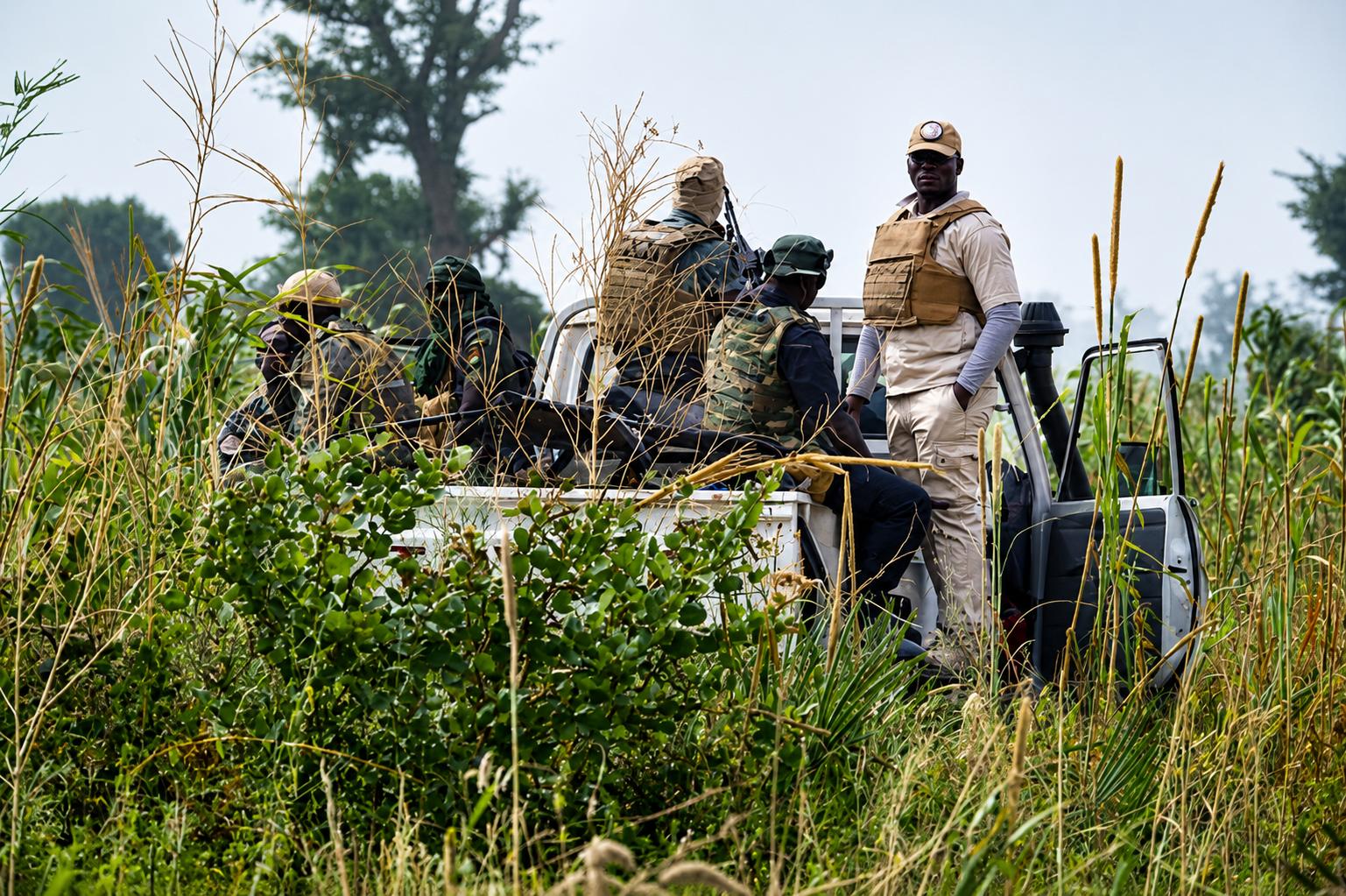
Sixteen soldiers lost their lives and twenty-three more were injured on a deadly ambush targeting a joint defense and security unit in Niger’s Tillabéri region. The incident occurred on July 17, 2026, along the Bankilaré–Téra road near the village of Doungouro, a stretch now notorious for insurgent activity.
The attack unfolded during a routine administrative liaison mission. Eyewitness accounts and military reports indicate that the detachment faced a coordinated assault, involving improvised explosive devices followed by intense small-arms fire. Nine of the wounded soldiers required emergency evacuation to the national armed forces medical center in Niamey.
In response, Nigerien forces reported neutralizing fifteen attackers and seizing or destroying ten motorcycles along with small arms. Immediate aerial and ground sweep operations were launched to locate remaining insurgents who fled the scene. Authorities have not yet released further details on the attackers’ affiliation.
Security challenges in the Sahel’s most fragile border triangle
The Téra ambush underscores a persistent vulnerability in Niger’s southwest frontier, where the three-border zone—shared with Mali and Burkina Faso—remains a hotspot for cross-border militant movements. The absence of clear, enforced boundaries allows armed groups to exploit porous transit routes, shifting rapidly between countries to evade military pressure.
Vast, unmonitored bush expanses and low state presence create ideal conditions for insurgent logistics and safe havens. Without robust, synchronized regional security strategies and real-time intelligence sharing, national armies risk being outmaneuvered by adversaries operating across loosely controlled frontiers.