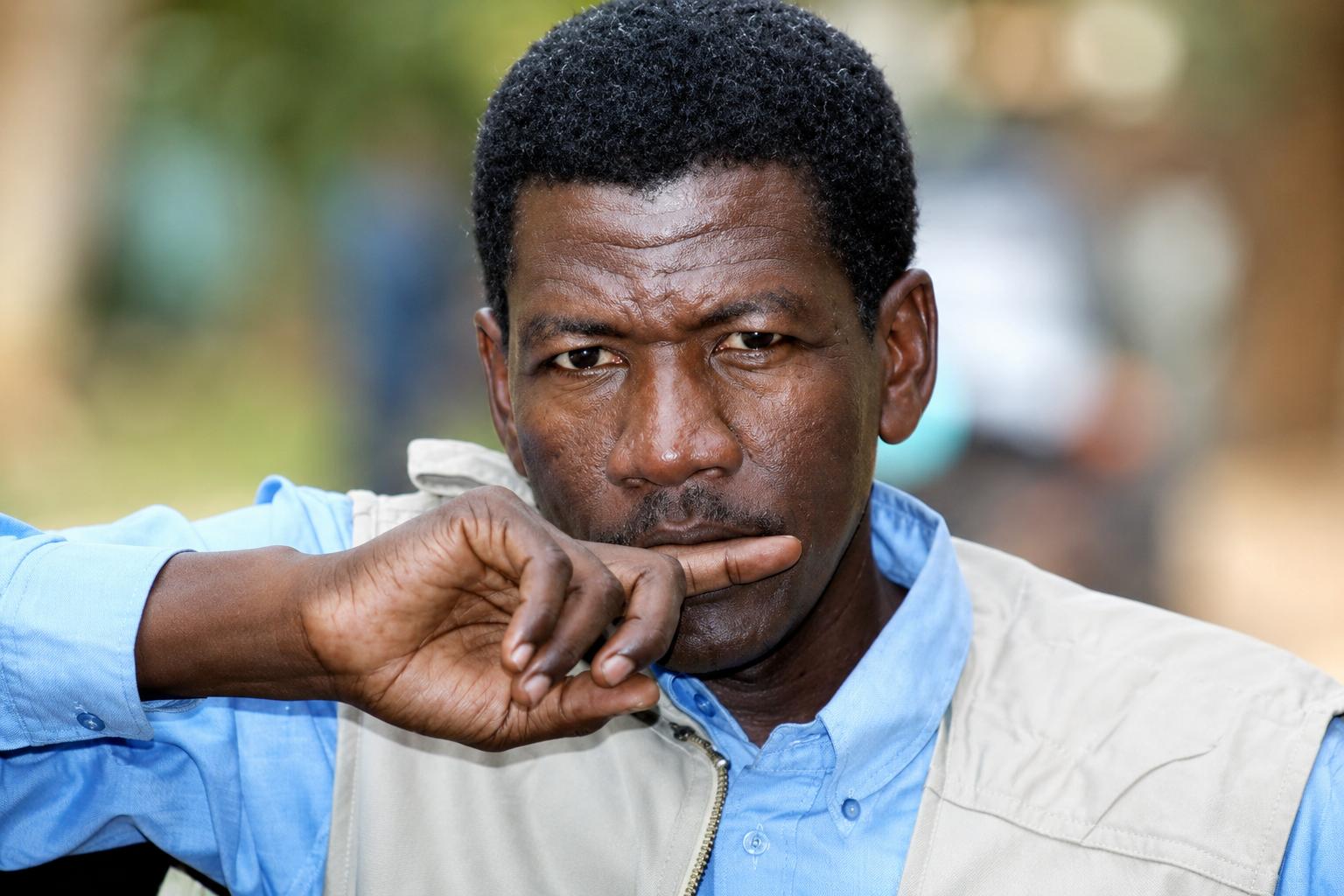
Niger’s press freedom at a crossroads: one month without Moussa Kaka sparks urgent questions
The disappearance of Moussa Kaka, a leading voice in Nigerien journalism, has left Niamey under a cloud of uncertainty for over a month. As the veteran journalist remains detained without official charges, the nation grapples with pressing concerns over his wellbeing, the legitimacy of his detention, and the broader implications for press freedom in the Sahel.
What do thirty days without answers reveal about Niger’s justice system?
The silence from Nigerien authorities has been deafening. Thirty days after Moussa Kaka’s arrest by secret services, no formal charges have been disclosed, no legal rationale provided, and no timeline for his release offered. This prolonged lack of transparency has only deepened public skepticism about the motives behind his detention and the fairness of the legal process.
In a country where journalists have long played a critical role in documenting political, social, and security developments, Kaka’s arrest stands out as a stark exception. His decades of professional dedication—covering everything from local governance to regional instability—have earned him widespread respect. Yet, in the absence of any credible explanation, his detention takes on the appearance of an arbitrary act with far-reaching consequences.
From Niamey to the Sahel: how one journalist’s absence exposes a growing crisis
The case of Moussa Kaka is not isolated. It reflects a troubling pattern unfolding across the Sahel, where independent journalism is increasingly under siege. Under military-led administrations, press freedom has steadily eroded. Critical voices face suspension, legal harassment, or worse—disappearance. Journalists like Soumana Idrissa Maïga, editor of L’Enquêteur, and online commentator Samira Sabou have been repeatedly targeted, their work framed as threats to national security.
As the global outcry over Kaka’s detention intensifies, so too does the pressure on Niger’s transitional government. The international community, human rights organizations, and media advocates have all condemned the lack of due process, warning that the erosion of press freedom undermines democratic stability in the region.
Why this moment may define the future of journalism in Niger
Moussa Kaka’s case transcends a single individual. It is a test of whether Niger can uphold the principles of a free and open society—or whether the space for independent journalism will continue to shrink. His prolonged detention, without justification or formal charges, signals a dangerous precedent for how dissenting voices are treated in the country.
With every day that passes, the stakes grow higher. Will Niger’s government provide clarity and accountability? Or will the shadows of silence continue to deepen, signaling a retreat from democratic values and the rule of law? One thing is certain: the world is watching—and the clock is ticking.
The call for immediate action from journalists and activists
- Demand for due process: Legal experts and press freedom advocates insist that without charges or evidence, Kaka’s detention violates national and international law.
- Health and safety concerns: After a month in custody, concerns about his physical and mental condition are escalating.
- Regional solidarity: Across West Africa, calls for his release are growing louder, with journalists and organizations uniting in protest.
What comes next for Niger’s media landscape?
The longer this crisis persists, the greater the risk of a chilling effect on journalism. Local reporters, already operating under severe constraints, may self-censor or avoid sensitive topics out of fear. If Kaka’s detention is allowed to stand without consequence, it could embolden further crackdowns on free expression across the region.
The question now is not just about Moussa Kaka—but about the future of press freedom in Niger and the Sahel. Will his case become a turning point for accountability, or another example of unchecked power silencing the voices that keep democracy alive?
