Niger’s military regime demands $5bn from China’s CNPC in drastic financial ultimatum
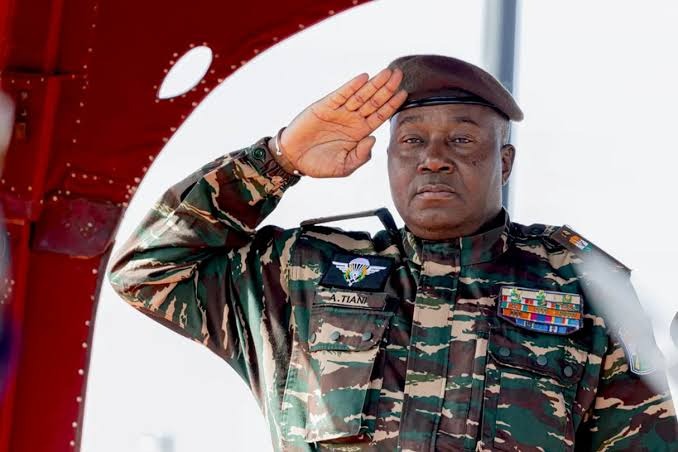
Niger’s transitional military government, led by General Abdourahamane Tiani, has escalated its financial demands against China National Petroleum Corporation (CNPC), the country’s largest foreign investor, issuing a 45-day ultimatum to pay over 3 trillion CFA francs—approximately $5 billion—allegedly due to delayed oil export revenues.
An ultimatum rooted in desperation
The regime’s latest financial gambit comes amid a severe economic crisis, with Niamey scrambling to fill gaping holes in its public coffers. The military junta, facing plummeting state revenue, unchecked military spending, and drastic budget cuts, has turned to aggressive tactics to pressure CNPC into compliance. However, critics argue these demands resemble outright extortion rather than legitimate financial claims.
False pretenses and fabricated penalties
Niger’s negotiating committee claims only 105 billion CFA francs (about $175 million) in foreign exchange from Agadem oil fields has returned to the country over two years—despite Beijing already extending a $400 million loan in 2024, repayable from petroleum revenues. To justify its demands, the junta has imposed seven punitive measures designed to squeeze CNPC:
- Forced cash injections: Arbitrary demands for immediate FCFA transfers under an unrealistic schedule.
- Local employment quotas: Mandating up to 90% Nigerien staffing despite local skill shortages.
- Pipeline seizure: Unilateral reopening of tariff negotiations for the Niger-Benin pipeline, valued at $2.3 billion.
- Raffinery takeover: Gradual ousting of Chinese executives from the SORAZ refinery governance.
- Reserve manipulation: Demanding revaluation of Agadem oil deposits to renegotiate higher tax shares.
- Coerced investments: Pressuring CNPC to inject an additional $1 billion into exploration projects.
- State infiltration: Placing junta-appointed officials in CNPC’s decision-making bodies.
A high-stakes gamble with dire consequences
This aggressive posture toward China—Niger’s top foreign investor—follows months of escalating tensions, including the abrupt expulsion of Chinese executives in March 2025. The regime’s strategy risks severe repercussions, including capital flight from Chinese firms, further economic isolation, and long-term damage to investor confidence. With the 45-day deadline looming, analysts warn that this desperate financial ultimatum could backfire spectacularly, leaving Niger in an even deeper crisis.
