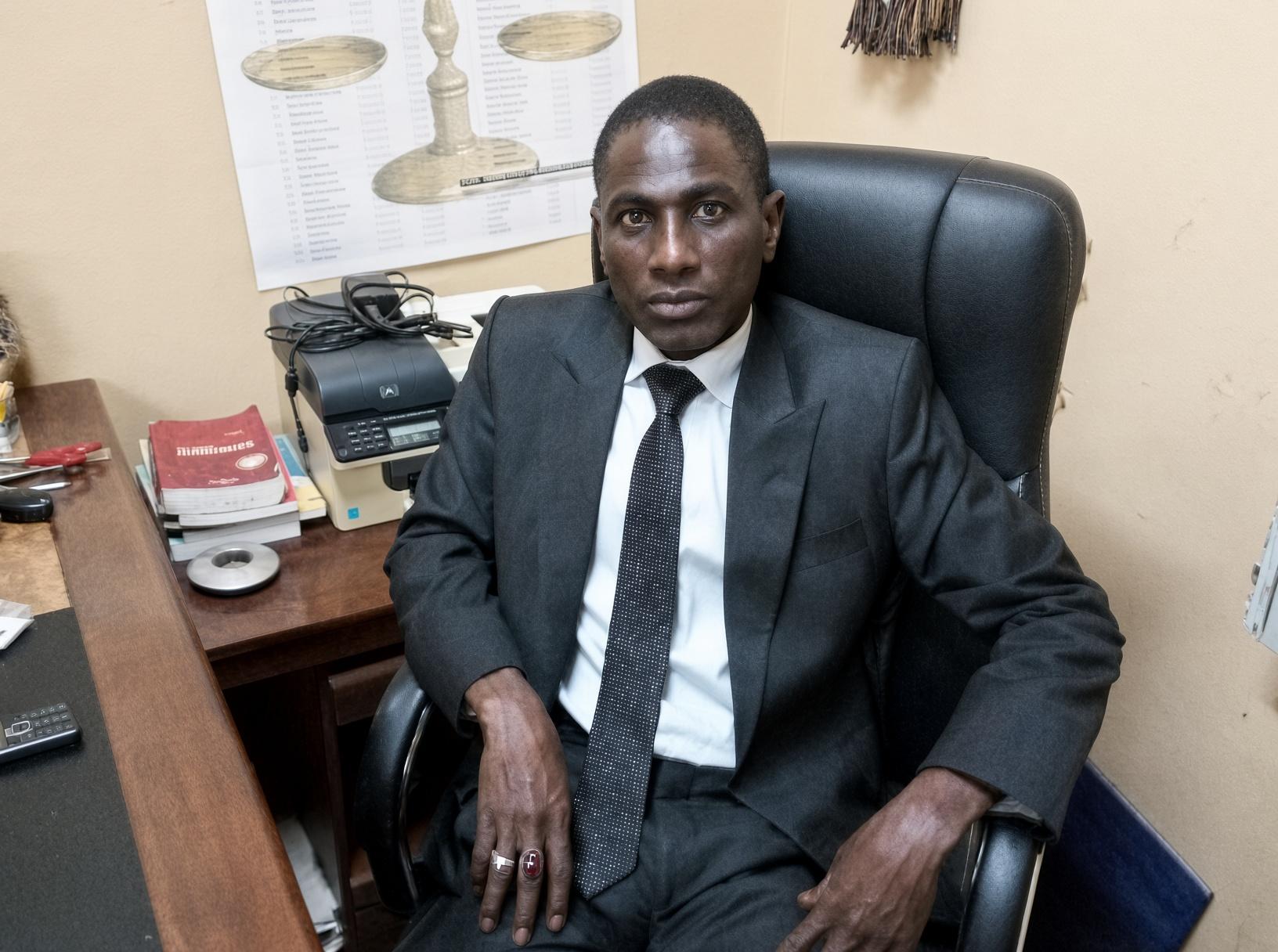
Niger’s legal crackdown exposes fragility of democratic freedoms amid lawyer’s imprisonment
The sudden arrest and detention of human rights lawyer Abdourahamane Lirwana in Niger has exposed a troubling escalation in the state’s clampdown on dissent. By silencing critics and human rights defenders, authorities are crossing a dangerous threshold—one that threatens to redefine the boundaries of civic engagement and legal protections in the country.
Behind the arrest: how a Facebook post triggered a judicial storm
On September 21, 2026, Maître Lirwana was summoned to Niamey’s Judicial Police headquarters under unclear circumstances. Within hours, he was placed in pretrial detention. His alleged offense? Posting a critical analysis on Facebook about the morale and performance of Niger’s armed forces—a reflection shared by many citizens concerned about national stability. Yet, in the eyes of the state, his words constituted a criminal act.
The charges stem from Article 31 of the Cybercrime Ordinance, which criminalizes the dissemination of data deemed likely to disrupt public order. The legal threshold for such a charge—potentially carrying up to five years in prison—highlights a systemic misuse of authority to suppress dissent under the guise of national security. This tactic doesn’t just punish one individual; it sends a chilling message to all who dare to question government narratives.
From legal debate to political weapon: the weaponization of justice
The prosecution of Maître Lirwana is not an isolated incident. It is part of a broader pattern of judicial weaponization, where laws designed for security are repurposed to silence voices. Over the past year, journalists, activists, and civil society leaders have faced arbitrary detentions, forced disappearances, and fabricated charges—all under the banner of maintaining public order.
Such actions betray Nigeria’s international obligations, including compliance with the International Covenant on Civil and Political Rights and the African Charter on Human and Peoples’ Rights, both of which protect freedom of expression and fair trial rights. By detaining a lawyer for exercising his constitutional right to comment on public affairs, the state undermines its own credibility and the integrity of its legal system.
The ripple effect: how fear reshapes civic life
The consequences of this crackdown extend far beyond the courtroom. In a climate of pervasive suspicion, citizens now second-guess every public statement, every social media post, and even private conversations. The chilling effect is palpable: independent journalism is nearing extinction, human rights defenders operate under constant threat, and public debate is reduced to carefully vetted narratives approved by authorities.
This erosion of civic space isn’t just a domestic issue—it weakens Niger’s standing in the regional and international community. Investors and partners increasingly view the country as a jurisdiction where legal unpredictability and repression overshadow stability and rule of law.
Demands for justice: what must change
The international community and domestic civil society have condemned the detention of Maître Lirwana as a flagrant violation of human rights. His continued imprisonment serves only to deepen the crisis, signaling that the state prioritizes control over constitutional rights.
There is only one acceptable resolution: immediate, unconditional release. The charges against him must be dropped, and the government must commit to restoring the rights of all citizens to express dissent, criticize policies, and hold power to account. Anything less will confirm that Niger is abandoning its democratic foundations in favor of authoritarian control.
A call to action: time for accountability
The fate of Maître Lirwana is a test case for Niger’s commitment to human rights and the rule of law. His imprisonment isn’t just an attack on one man—it’s an assault on the very principles that define a functional democracy. Without decisive action, the precedent set by this case will embolden further abuses, deepen public distrust, and isolate Niger from the global community of nations that uphold freedom and justice.
It is time for Niger’s leaders to act—not just with statements, but with deeds. The world is watching. Justice delayed is justice denied.
