Niger’s goumeri W-8 oil well erupts: Niamey seeks Sonatrach expertise amid growing crisis
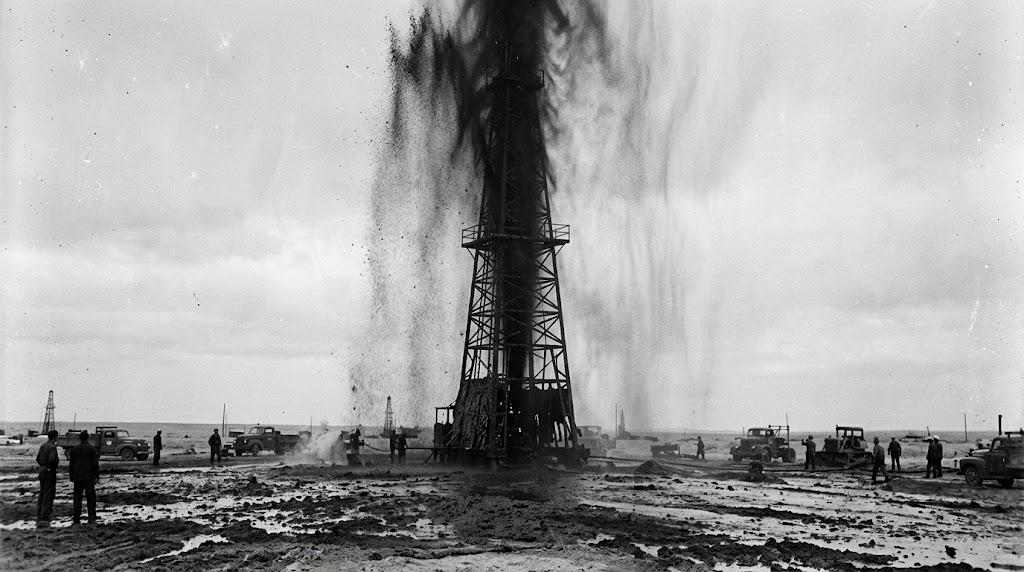
Niger’s oil sector faces an unprecedented challenge after the Goumeri W-8 well on the Agadem block erupted uncontrollably on September 25, 2026, spewing crude oil and gas over 10 meters high. Operated by CNPC Niger Petroleum—a subsidiary of China’s CNPC—the blowout has contaminated two nearby wells and hospitalized two workers, marking the country’s most severe oil incident since production began in 2011.
Government response delayed as contamination fears rise
The Nigerien government officially acknowledged the disaster on October 12, 17 days after the first reports emerged. While authorities dismissed sabotage or terrorism, the delay in public communication fueled concerns from civil society groups like GREN, which warned of potential soil and groundwater pollution. Emergency measures, including containment dikes and retention ponds, were deployed, yet authorities have not disclosed the spill’s volume or its environmental impact.
Sovereignty ambitions clash with technical gaps
Niger’s push for greater control over its natural resources—including a requirement for 80% local staffing at CNPC—has exposed critical gaps in crisis management. The damaged wellhead demands specialized expertise, beyond the capabilities of Niamey’s current workforce. This vulnerability has prompted a strategic shift: Algeria’s Sonatrach, renowned for over six decades of Saharan oil crisis response, has been called in for technical support and an independent audit.
Diplomatic energy ties strengthen amid emergency
The collaboration with Algeria reflects deeper energy and diplomatic ties established earlier in 2026. Sonatrach is already engaged in Niger’s Kafra permit and the marketing of Agadem crude, positioning it as a key partner in stabilizing the crisis. However, no timeline has been set for the permanent sealing of the blowout.
Key takeaways
- Uncontrolled spill: Goumeri W-8 has been erupting since September 25, with no end in sight.
- Delayed response: Niamey acknowledged the disaster 17 days after it began, raising public concern.
- Local expertise gaps: Niger’s sovereignty goals face challenges due to a lack of specialized technicians.
- Algerian intervention: Sonatrach’s expertise is now central to crisis resolution.
Environmental and economic stakes remain high as authorities scramble to contain the damage—both to Niger’s oil infrastructure and its reputation as a stable energy producer.
