Niger’s fuel price freeze exposes junta’s unraveling control amid economic crisis
The Nigerien military junta’s abrupt U-turn on fuel price hikes has laid bare its faltering authority just months after seizing power in July 2023. Rather than delivering on promises of economic stability, the freeze represents a humiliating retreat from a decision that had already been publicly endorsed by key institutions.
Military leadership forced into retreat by internal divisions
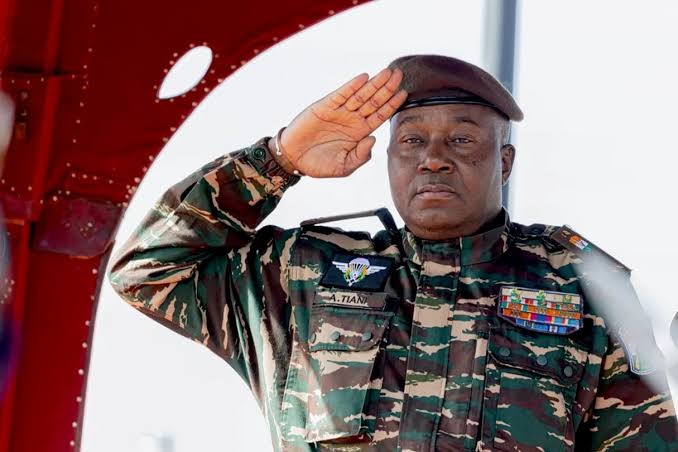
The decision to block price increases came as a stunning reversal for the Conseil national pour la sauvegarde de la patrie (CNSP), which had initially signaled support through its advisory council and petroleum ministry. Reports indicate that General Abdourahamane Tiani’s last-minute reversal was driven by escalating warnings of public backlash, even among the regime’s own allies.
For the first time since the coup, the junta has shown visible cracks in its decision-making process. The display of disunity among technocrats and security officials has left observers questioning the cohesion of a leadership that had once projected unshakable resolve.
Economic band-aid masks deeper structural flaws
While the price freeze appears as a concession to popular demands, economists warn it does little to address Niger’s mounting economic woes. Key consequences include:
- Black market distortions: Despite capped pump prices, severe shortages in regions like Tahoua and Diffa have pushed motorists toward unregulated vendors, where prices soar far above official rates.
- Resource mismanagement: Delays in promised audits of the oil sector, combined with frequent shuffling of officials at Sonidep and the Petroleum Ministry, suggest a leadership more concerned with short-term survival than long-term governance.
- Unsustainable subsidies: With government revenues plummeting and foreign aid dwindling, the cost of maintaining artificial price stability risks pushing public finances into deeper deficit.
Security and social pressures collide
The junta’s latest move may temporarily ease tensions, but analysts argue it does nothing to resolve the underlying crises threatening Niger’s stability. The combination of looming food shortages, rampant inflation, and a deteriorating security environment—particularly in border regions plagued by insurgencies—creates a volatile mix. Aid organizations warn that without meaningful reform, the government’s financial strain will only exacerbate humanitarian and conflict risks.
A freeze on pump prices provides no long-term solution. For a regime already struggling to maintain its grip, this tactical retreat may simply be a prelude to a steeper fall.
