Niger’s fuel crisis: overnight pump curfews spark backlash as shortages deepen
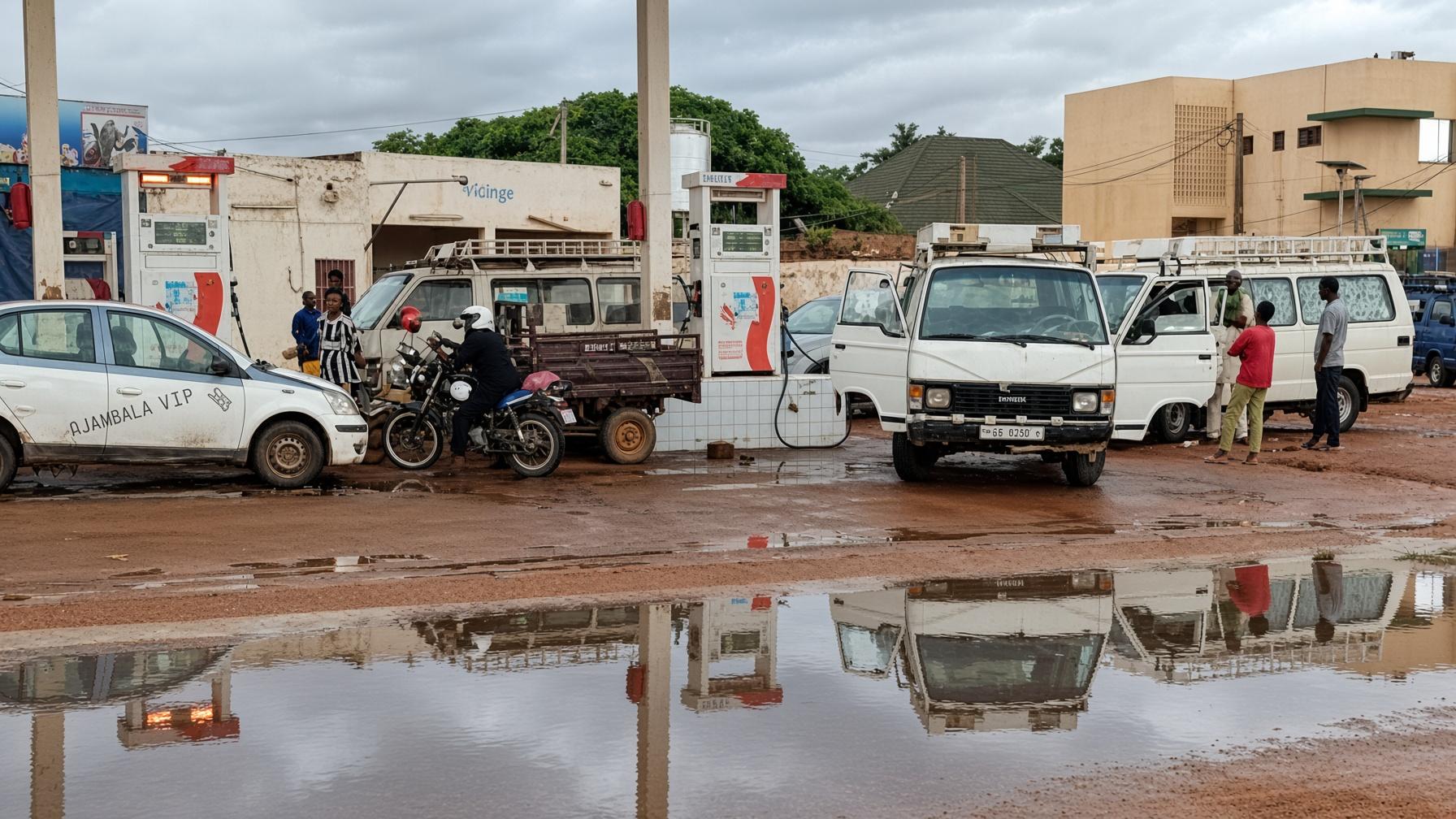
Niger’s government has escalated its crackdown on fuel shortages by imposing overnight curfews at petrol stations and banning jerrycan sales, measures that critics warn will worsen the crisis rather than resolve it. Effective from 19 October 2026, the joint decree from the ministries of Interior, Petroleum, and Trade mandates that all but designated stations close between 9 PM and 6 AM, aiming to streamline official supply logistics.
Nighttime restrictions fuel gridlock and public anger
The new rules slash access to fuel during peak hours, forcing motorists to crowd into fewer open stations. Long queues now form before dawn, exposing drivers to harsh conditions while doing little to address the root cause of the shortages. While authorities claim the curfew will ease logistics for the Société Nigérienne de Pétrole (SONIDEP), sceptics argue the move merely shifts the bottleneck from nighttime to daylight hours.
Designated emergency stations in each municipality were promised to ease the strain, yet details on their capacity and allocation remain scarce. Drivers report inconsistency, with some areas left without any open stations despite the supposed safeguards.
Government’s jerrycan ban targets informal supply chains
In a parallel move, the sale of fuel in jerrycans or small containers is now illegal in towns with SONIDEP-operated stations. The government frames this as a strike against black-market profiteering, blaming informal sellers for artificial scarcity. Yet this overlooks the role these vendors play in bridging gaps where official supply fails.
Enforcement has fallen to security forces, leading to aggressive crackdowns on street vendors. By criminalising small-scale transactions, the state risks pushing consumers toward an even more unregulated market, where adulterated or overpriced fuel has long been a concern.
Is repression masking a deeper supply-chain failure?
Behind the tough rhetoric lies a logistics crisis that shows no sign of abating. SONIDEP’s coordination with regional suppliers and Niamey’s governance teams has yet to improve fuel availability, despite assurances of a “temporary and rationalised” response. Daily life in Niger now hinges on navigating a patchy distribution network, where rationing by force replaces structural solutions.
Without transparent reforms to the country’s petroleum supply chain or tangible increases in national reserves, the curfews and bans risk becoming a daily ordeal for motorists—while doing little to curb the speculation the government claims to fight.
What’s next for Niger’s motorists?
- Longer wait times at fewer open stations during daylight hours.
- Increased security presence targeting street vendors, pushing consumers to riskier alternatives.
- Persistent uncertainty over the availability of emergency fuel reserves.
