Niger’s fuel crisis: imported Algerian shipments expose critical supply chain gaps
From Exporter to Importer: The Nigerien Paradox
In a striking reversal of fortune, the Niger, once a net exporter of refined oil products, now finds itself relying on shipments from neighboring Algeria to meet domestic fuel demand. The arrival of 53 tanker trucks carrying 1.65 million liters of petroleum products at the SONIDEP depot in Agadez on November 1, 2026, was hailed as a diplomatic and energy cooperation triumph. Yet beneath the ceremonial reception lies a pressing question: why does a country with an operational refinery and substantial production capacity struggle to secure its own fuel supply?
Production Numbers Don’t Tell the Full Story
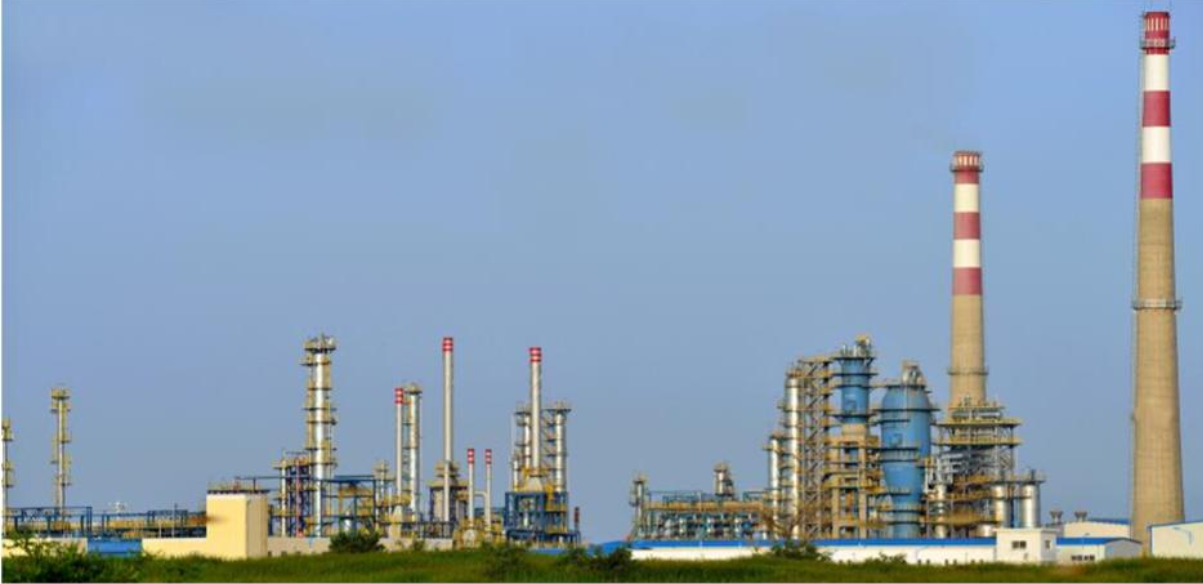
The Société de Raffinage de Zinder (SORAZ) has recorded significant output in recent years. In 2023, the refinery produced 365.95 million liters of super gasoline, averaging over one million liters per day. Of this, 328.25 million liters were delivered to SONIDEP, leaving an exportable surplus of 37.69 million liters. However, the narrative shifts dramatically in 2024. Production dipped slightly to 345.34 million liters, and the entire volume was reportedly delivered to SONIDEP—eliminating the export surplus. The same pattern persisted in early 2025, with 56.88 million liters produced and delivered, leaving no room for exportable reserves.
SONIDEP’s role as the national fuel distributor is now under scrutiny. Financial reports indicate a staggering debt exceeding 418 billion West African CFA francs. This raises critical questions about revenue collection, creditor management, and the transparency of stockpile transactions. How can an entity handling hundreds of millions of liters of fuel accumulate such a deficit?
Strategic Stockpiles: Sacrificed for Short-Term Gains?
Industry insiders suggest that SONIDEP has sold portions of its strategic reserves—ostensibly to stabilize cash flow—while compromising long-term maintenance planning for the refinery. These allegations, if verified, would undermine the country’s energy sovereignty. Without credible replenishment mechanisms, such practices risk plunging Niger into a cycle of dependency.
Algerian Fuel: Emergency Solution or Systemic Flaw?
The Algerian supply deal, while providing immediate relief, highlights deeper structural issues. Niger’s government banned fuel exports in October 2026 to prioritize domestic supply, yet shortages persist. The absence of transparent pricing, volume agreements, and financial terms for the imported shipment raises concerns about long-term affordability and sustainability.
Meanwhile, the contrast with Niger’s earlier solidarity efforts for Mali in 2025 underscores the dual pressures on the national fuel sector. While Niger transported fuel convoys to Bamako under government mandate, its own reserves faced mounting strain. Fourteen transport operators lost licenses, and nineteen drivers had their permits revoked for refusing participation. The episode exposes a troubling imbalance: prioritizing external aid over domestic energy security.
The Informal Market Collapse
A lesser-discussed factor is the erosion of Nigeria’s informal fuel supply network, which historically supplemented Niger’s formal market. Nigerian fuel subsidies had artificially lowered prices, making smuggling lucrative. Post-subsidy reforms and stricter border controls have choked off these parallel imports, exacerbating Niger’s formal supply deficit. By March 2025, SONIDEP reported receiving only 25 tankers from SORAZ daily—half the estimated national need of 50 tankers. The loss of informal supply chains laid bare the inadequacies of Niger’s formal distribution infrastructure.
What’s Next for Niger’s Energy Future?
The arrival of Algerian tankers is not inherently problematic, but it underscores a glaring truth: Niger’s energy sector suffers from mismanagement, not scarcity. The country boasts a refinery, national production, and decades of oil trading experience. Yet in 2026, it must turn to foreign partners to avert domestic shortages. This is not a question of capability but of accountability.
Independent audits are urgently needed to clarify:
- The whereabouts of past export surpluses and revenue allocations;
- The accuracy of current strategic reserve levels;
- The financial obligations of SONIDEP and SORAZ;
- The costs and conditions associated with the Algerian fuel import deal.
The paradox Niger faces is clear: producing oil does not guarantee energy sovereignty. Without transparent governance, robust reserves, and forward-looking policy, even a refining nation can become hostage to its own supply chain failures.
A Call for Transparency
The time for opaque dealings and ceremonial receptions has passed. Niger deserves answers. Who greenlit the current supply strategy? Why are reserves depleted? Where did the revenue from previous years’ exports vanish? The citizens—and the nation’s energy future—depend on it.
