Niger’s fuel crisis: domestic oil fails to meet local demand despite rising exports
Niger’s paradox: a petroleum producer struggling with fuel shortages
How can a nation that exports millions of barrels of crude oil and claims energy sovereignty still face critical fuel shortages at home? This is the pressing question facing Niger’s military regime under General Abdourahamane Tiani. The hydrocarbon crisis has exposed deep flaws in the management of production, refining, supply, and distribution systems, leaving citizens grappling with persistent fuel scarcity despite the country’s oil wealth.
Broken supply chains and failing infrastructure
The situation has escalated in recent months, with severe disruptions in gasoline and diesel supplies causing widespread inconvenience. Long queues at gas stations, sudden stockouts, and difficulties for motorists and transport operators have become daily realities contradicting official narratives about the nation’s petroleum wealth.
The economic toll is even more alarming. Transport operators have slowed operations, merchants have faced losses, and independent workers have reduced mobility, all while citizens waste valuable time searching for fuel. With road transport forming the backbone of Niger’s economy, such disruptions ripple across production, trade, household income, and essential services.
Oil production surges, yet shortages persist
Niger has been a petroleum producer since 2011, operating the Agadem oil field and the Zinder refinery (SORAZ). Recent data from 2024 indicated production of approximately 110,000 barrels per day 20,000 refined locally and 90,000 exported.
Yet despite this capacity, the country struggles to maintain adequate domestic supplies of refined products. The problem lies not just in extraction but in refining, storage, and distribution a sequence requiring meticulous coordination. While technical challenges exist, they do not fully explain the systemic failures undermining energy security.
In October 2026, Petroleum Minister Hamadou Tini revealed alarming deficits: gasoline shortages increased from 47.25 million liters in 2024 to 196.62 million liters in the first eight months of 2026. Diesel shortages followed a similar trajectory, reaching 52.60 million liters during the same period. These official figures confirm a structural imbalance one that cannot be dismissed as temporary inefficiency.
Algeria agreements: solutions or concessions?
Against this backdrop, Niger’s energy cooperation with Algeria has intensified. A memorandum of understanding was signed on March 24, 2026, followed by three additional accords in June between state-owned SONIDEP and Algerian subsidiaries of Sonatrach.
While such agreements may support immediate supply needs, they raise critical questions: What financial commitments does Niger undertake? What volumes and prices are negotiated? Are there long-term guarantees or compensatory mechanisms? More importantly, why must a nation with domestic oil production rely on foreign imports to meet internal demand?
Sovereignty is not measured solely by export volumes or diplomatic agreements. It is defined by the ability to ensure reliable supply, control costs, and protect consumers. The lack of transparency surrounding these arrangements particularly the conditions under which Algerian fuel becomes necessary further undermines public trust.
Debt, mismanagement, and the cost of opacity
In October 2026, the government established a technical committee to address supply crises and restructure cross-debts among key entities: SONIDEP, SORAZ, NIGELEC, and China National Petroleum Corporation (CNPC). The goal? A three-month plan to resolve outstanding liabilities.
This move underscores a fundamental issue: How can a strategic sector, intended to generate state revenue, accumulate financial difficulties severe enough to threaten supply continuity? The public deserves clarity on debt amounts, accountability, transaction terms, and payment mechanisms not just public condemnation of irregularities.
Selective transparency has no place in the management of a national resource. Citizens deserve full disclosure of audits, responsible actors, and corrective measures not speculative accusations.
The human and economic toll of energy failure
The consequences of this crisis extend far beyond policy debates. Commuters unable to refuel miss work. Merchants lose perishable goods during transit. Artisans relying on generators halt operations. Small businesses and independent workers bear the brunt of disrupted supply chains.
Energy resources hold value only when they improve daily life. The Tiani regime must explain why Niger’s oil riches evidenced by exports and refinery operations have not translated into stable, accessible fuel for its people. Sovereignty is not declared; it is demonstrated through results.
Tiani’s sovereignty test: from rhetoric to reality
Since assuming power in July 2023, General Tiani has framed national sovereignty as a cornerstone of governance. Yet the petroleum crisis reveals persistent challenges: persistent fuel deficits, continued reliance on imports, inter-institutional debt, and unresolved questions about foreign agreements.
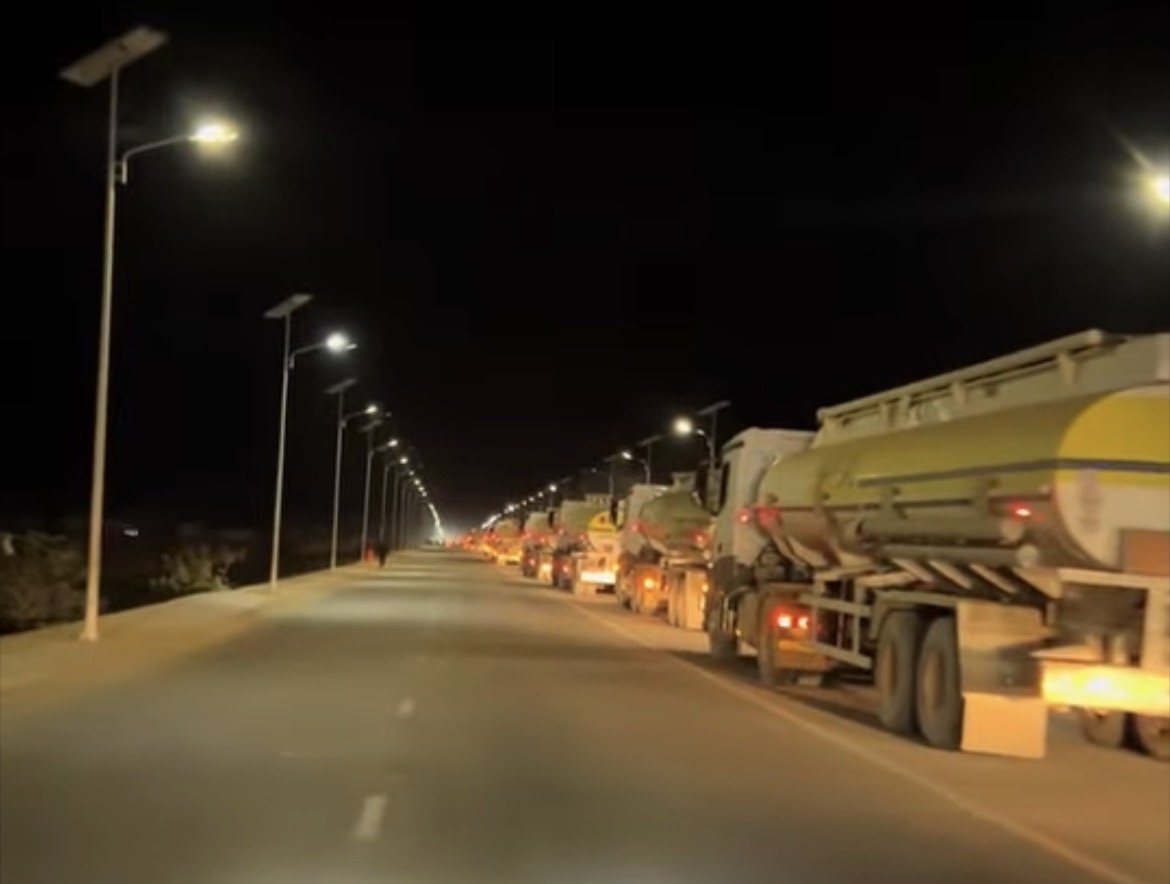
On November 1, 2026, Niger received 53 tanker trucks from Algeria carrying 1.65 million liters of fuel a temporary relief measure. While this shipment may alleviate immediate pressure, it does not resolve structural flaws in the energy sector.
The core challenge for the military regime is clear: What purpose does resource sovereignty serve if citizens still face scarcity and unpredictability?
Niger needs more than oil production and foreign partnerships. It requires transparent governance, efficient distribution networks, coherent financial policies, and an energy strategy designed to meet the needs of its people. The true test of petroleum sovereignty is not found in official declarations or export statistics. It is measured in the availability of fuel at local pumps, the smooth operation of businesses, and the reliability of essential services.
Until authorities provide full accountability for sector management, debt resolution, and foreign agreements, skepticism about Niger’s energy governance will persist a crisis not only of supply, but of credibility.
By Maimouna Kaboré — Journalist
