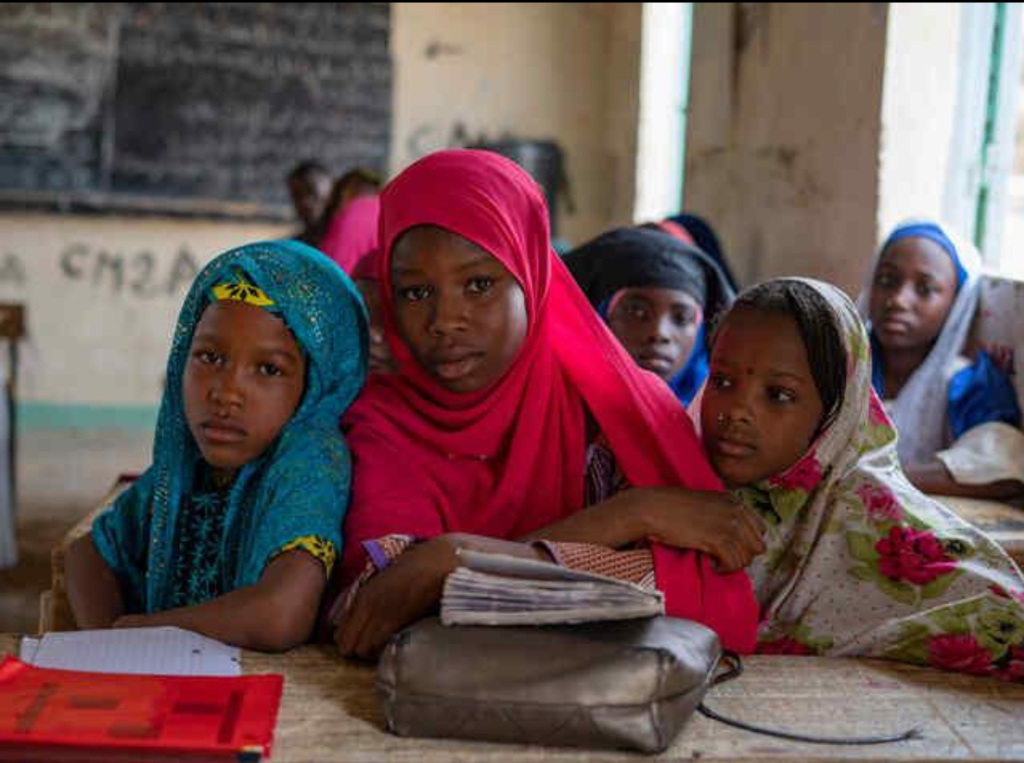
Niger’s Diffa schools reopen inclusively after community-based restrictions spark rights debate
Diffa’s educational landscape has undergone a pivotal shift as schools reopen to all communities, ending restrictions that had sparked widespread debate over fundamental rights. The decision marks a critical development in a region long challenged by security concerns and administrative measures affecting access to education.
School reopening ends education restrictions in Diffa
The move to reopen schools to all children regardless of community affiliation follows controversial measures implemented earlier in 2026. These restrictions, particularly affecting the Mohamid community, had raised serious questions about the balance between security imperatives and the protection of civil rights.
In October 2026, administrative actions reportedly included school closures, reallocation of teachers, and restrictions on access to water sources and civil registration services in Diffa and Zinder regions. Such measures, while framed as security responses, drew criticism for their potential to create collective punishments affecting entire communities.
Education under pressure: security vs. fundamental rights
Diffa’s ongoing security challenges, including threats from armed groups active in the Lake Chad basin, have historically justified exceptional measures. Authorities have argued that restricting access to education in certain areas is necessary to protect students and staff from violence and intimidation.
However, the case involving the Mohamid community revealed broader concerns. Reports suggested that restrictions were motivated not only by security but also by claims that public infrastructure was being exclusively used by this community. This dual justification has intensified debates about the proportionality and legality of such measures.
The United Nations Convention on the Rights of the Child, which Niger has ratified, guarantees every child’s right to education without discrimination. The reported restrictions risked undermining this principle by potentially penalizing children for circumstances beyond their control.
Community reactions highlight risks of collective punishment
The controversy surrounding the restrictions underscored growing apprehensions about collective punishment. Families expressed fears that administrative decisions could disproportionately affect their children’s futures by disrupting schooling and access to essential services.
Civil society and educational advocates emphasized that education is a cornerstone for social stability and individual development. Preventing children from attending school not only violates their rights but also undermines long-term community resilience in a region already grappling with displacement and economic hardship.
What reopening means for students and families
The inclusive reopening of schools offers hope for thousands of children who faced interrupted education due to closures and mobility restrictions. Yet, the return to normalcy depends on several critical factors:
- Teacher availability: Ensuring sufficient qualified educators to staff reopened schools.
- Infrastructure readiness: Addressing damage or shortages in school facilities caused by years of insecurity.
- Safety assurances: Providing secure environments for students and staff, especially in areas prone to violence.
- Administrative clarity: Preventing future restrictions based on community affiliation without due process.
For parents in Diffa, the reopening represents a chance to restore routine and hope. Many have waited years for their children to resume formal education without fear of exclusion or retribution.
Beyond classrooms: education as a pillar of national cohesion
Schools in Diffa serve as more than educational institutions—they are critical spaces for social integration and cohesion. Excluding children based on their community background risks deepening divisions and eroding trust in state institutions.
The state’s responsibility extends beyond reopening doors. It must ensure that education remains accessible, equitable, and free from discrimination. This includes transparent communication about the criteria for any future restrictions and robust mechanisms to challenge arbitrary decisions.
Looking ahead: balancing security and rights in Niger’s education policy
The inclusive reopening of schools in Diffa sets a precedent for how Niger addresses the delicate balance between security needs and human rights. While the decision is a positive step, sustaining it will require ongoing vigilance and commitment from authorities.
For a generation already scarred by conflict and displacement, the right to education is not a privilege—it is a necessity for rebuilding lives and fostering stability. Diffa’s experience serves as a reminder that security measures, no matter how urgent, must never come at the cost of fundamental freedoms.
As the region moves forward, the focus must remain on creating an educational environment where every child, regardless of background, can learn, grow, and contribute to the nation’s future.
