Nigeria’s unwavering support for SADR casts doubt on Morocco gas pipeline vision
Nigeria’s recent reaffirmation of its recognition of the Sahrawi Arab Democratic Republic (SADR) represents a significant diplomatic declaration, extending beyond a mere reminder of its foreign policy. By officially reiterating its dedication to the principles of self-determination, decolonization, and the inviolability of post-colonial borders, Abuja sends a clear political message. This position directly counters the Moroccan regime’s assertions that the Western Sahara issue is a closed chapter.
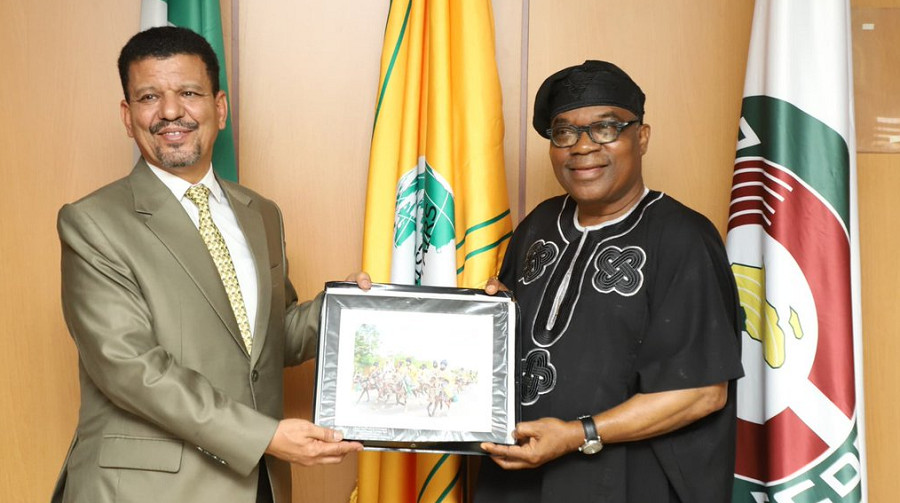
The visit to Abuja by Mohamed Yeslem Beissat, the special envoy of the Sahrawi President, who carried a message from Brahim Ghali to his Nigerian counterpart Bola Ahmed Tinubu, underscores a diplomatic momentum favorable to the SADR. Discussions with Nigerian authorities solidified the robust relationship between the two nations and their shared resolve to deepen cooperation. These talks also reaffirmed the foundational principles of the African Union, which firmly establish the right of peoples to self-determination as a cornerstone of the continental body.
This stance holds particular weight when viewed against Rabat’s ambitious, albeit often perceived as chimerical, regional aspirations. For several years, Moroccan authorities have championed the Nigeria-Morocco gas pipeline project as a symbol of a strategic partnership poised to reshape West Africa’s energy landscape. However, Abuja’s consistent and historical backing for the SADR unequivocally demonstrates that any purported economic cooperation with Morocco has never translated into political alignment on the Western Sahara question.
Nigeria’s clarification effectively dismantles the Moroccan narrative, which often portrays the mega gas project as an indicator of comprehensive political convergence with Nigeria. While the project is frequently highlighted in official statements, its immense cost, significant security challenges, funding complexities, and exceptionally long route have long fuelled skepticism regarding its practical realization. In this context, Nigeria’s unambiguous maintenance of its recognition of the SADR serves as a direct rebuttal to interpretations that had predicted a diplomatic shift in Abuja’s favor towards Rabat.
Beyond the Nigerian situation, Sahrawi diplomacy continues to fortify its standing across the African continent. As a founding member of the African Union, the SADR maintains vigorous diplomatic engagement with member states. Its objective is to preserve the African consensus advocating for the decolonization of Western Sahara and the resumption of the political process under the auspices of the United Nations. Recent dialogues with various African capitals reflect a strong desire to reinforce historical partnerships and to underscore that the Sahrawi question remains, for a substantial portion of Africa, an unresolved issue of decolonization governed by international law.
