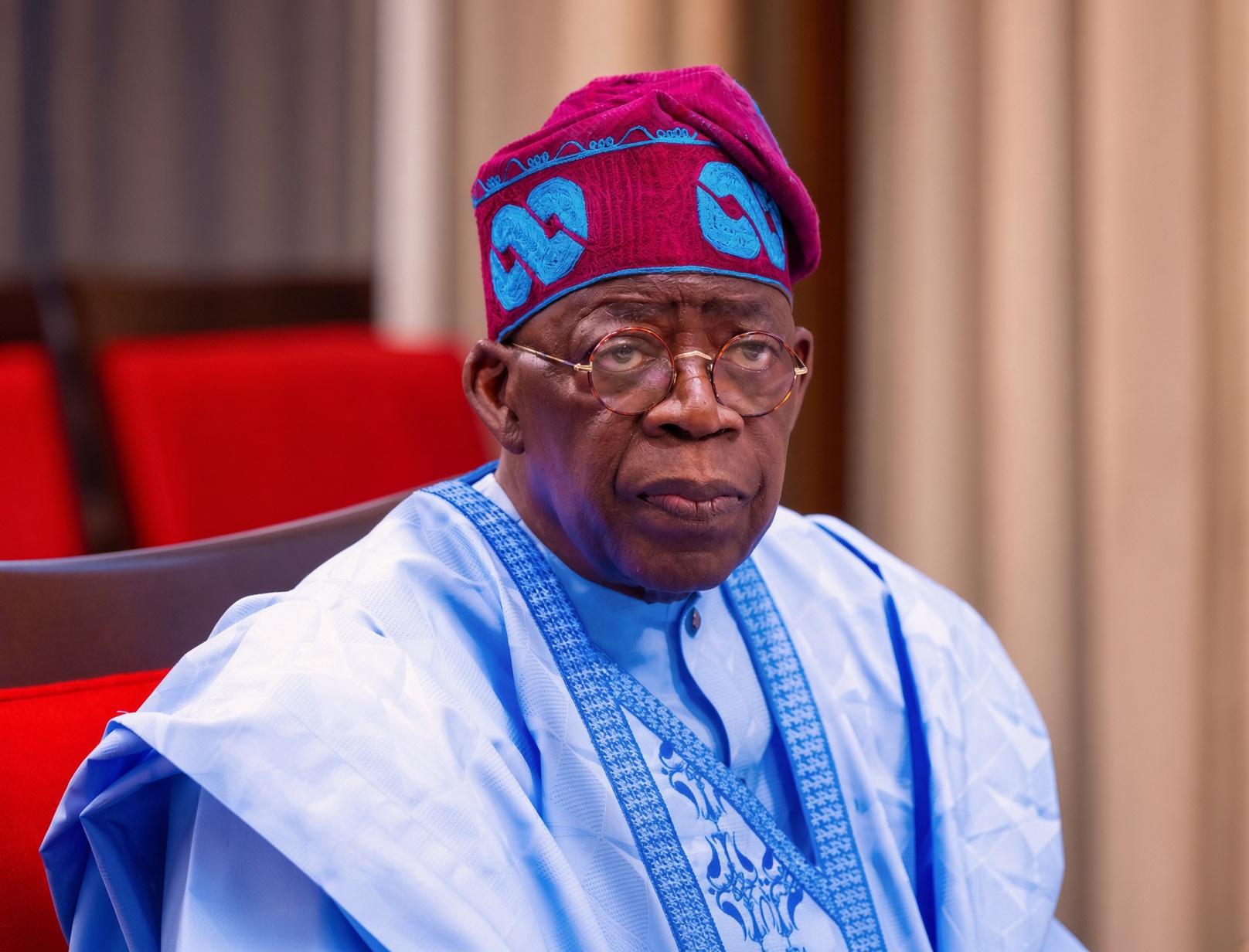
Nigeria’s presidential election: unpacking the police’s behind-the-scenes security strategy
The upcoming Nigeria presidential election has thrust the Nigeria Police Force (NPF) into the spotlight—not just for its traditional role in crowd control, but for its behind-the-scenes strategy to safeguard a process many Nigerians fear could be derailed by violence, fraud, and deep-rooted political tensions.
The stakes could not be higher. With Bola Ahmed Tinubu’s presidency hanging in the balance, the NPF, led by Inspector-General Olatunji Disu, faces a critical test: delivering on its promise of a neutral, secure, and transparent election across a nation plagued by regional instability, insurgencies, and persistent allegations of electoral malpractice.
The psychology behind the police’s neutrality pledge
The NPF’s public declarations of impartiality aren’t just political gestures—they reflect a calculated effort to counter decades of mistrust. Historical perceptions of police bias toward ruling parties have fueled skepticism, particularly among opposition figures and civil society groups who question whether this time will be different.
To address these concerns, the police have implemented a multi-layered accountability framework:
- Internal audits under direct supervision: The office of DCP Anthony Placid, serving as the police spokesperson, has been tasked with overseeing real-time monitoring of officer conduct during campaigns, polling, and vote-counting.
- Disciplinary consequences for misconduct: A zero-tolerance policy for agents found violating neutrality has been declared, with internal investigations and potential dismissal outlined as consequences.
- Transparency measures: Select polling units will have live-streamed feeds, and third-party observers will be granted unfiltered access to key stages of the electoral process.
From promises to patrols: the tactical roadmap for election day
The NPF’s operational strategy hinges on three core pillars—scale, coordination, and adaptability—designed to neutralize threats before, during, and after polling.
1. Massive polling station deployment
Election officials and police officers will be stationed at every voting center across the country’s 36 states, with a special focus on flashpoint regions:
- North-West: Areas affected by banditry, where displaced communities face logistical hurdles in accessing polling units.
- North-East: Zones under threat from Boko Haram and ISWAP, where voter intimidation remains a persistent challenge.
- South-East: States experiencing separatist tensions and organized crime-related disruptions.
2. Mobile patrol surge and inter-agency collaboration
The NPF is coordinating closely with the Nigerian Army—led by General Waidi Shaibu—and the Nigerian Security and Civil Defence Corps (NSCDC) to secure transit routes and prevent ballot tampering. Tactical units are also liaising with the Office of the National Security Adviser (ONSA), under Nuhu Ribadu, to monitor high-risk zones in real time.
3. Digital surveillance and anti-vote-buying operations
Leveraging support from the Ministry of Police Affairs, helmed by Ibrahim Gaidam, the NPF is deploying AI-driven monitoring tools to detect suspicious financial transactions linked to vote-buying networks. Dedicated anti-corruption task forces are being deployed to hotspots, with undercover officers posing as buyers to dismantle syndicates.
Can technology and threats change the narrative this time?
The integration of digital tools represents a significant shift for the NPF, which has long been criticized for its opaque and reactive approach to election security. However, technology alone cannot guarantee neutrality or eliminate threats. Civil society leaders argue that trust must be earned through visible, consistent action—not just announcements.
Public sentiment remains divided:
- Optimism among rural voters: Many in underserved communities hope the enhanced presence will finally protect their right to vote without fear of violence or coercion.
- Skepticism among urban youth and opposition: Social media forums buzz with skepticism, citing past electoral failures and the NPF’s historical ties to political elites.
- Business community watch: Market analysts warn that prolonged instability could disrupt commerce, particularly in Lagos and Abuja, where economic activity is already fragile.
What happens next: the gap between policy and practice
The success of this operation will be measured not in rehearsed press releases, but in the lived experiences of Nigerians on election day. Will polling booths open on time? Will voters feel safe enough to cast their ballots without intimidation? Will the final tally be accepted by all parties without dispute?
The answers depend on more than numbers and deployments—they depend on the NPF’s ability to translate strategy into trust, a challenge that has eluded Nigeria’s security forces for generations. As the country holds its breath, one thing is certain: the credibility of this election will hinge on the actions taken behind the scenes, long before the first vote is cast.
